You correct your child because you want to help. Maybe they are doing homework, building something, getting dressed, or trying a new activity, and you can immediately see a better way to do it. The problem begins when your child starts relying on your instructions instead of developing their own judgment.
Constant correction can make children cautious. They may erase their work repeatedly, ask whether something is “okay” before trying it, hesitate to make decisions, or look toward you whenever they make a mistake. What started as guidance can slowly teach a child that their own way is probably wrong.
So how do you stop correcting your child? Pause before stepping in, and give them a chance to figure things out first. If they are safe and the mistake is manageable, let them try. Ask, “What do you think?” or “How would you like to do it?” rather than immediately explaining what they should do.

Let Mistakes Become Part of Learning
Children need opportunities to make small mistakes. A crooked Lego tower, a messy drawing, a wrong answer, or a failed attempt is not necessarily something a parent needs to fix.
Instead of correcting the result immediately, pay attention to the process. You might say, “You kept trying different ways,” or “You figured that out yourself.” This helps children associate challenges with curiosity and persistence rather than fear of criticism.
Of course, parents still need to step in when there is a safety concern or when a child genuinely needs support. The goal is not to stop guiding. It is to know when guidance helps and when it takes over the learning process.
The Parenting Book That Helps You Step Back
The Parent You Aspire to Be by Miles Carter focuses directly on this struggle. One of its central ideas is that parents can unintentionally make children dependent by correcting, reminding, directing, and intervening too quickly.

The book explores what happens when a parent is always ready to provide the answer. A child may stop trusting their own judgment and begin waiting for someone else to tell them what to do. Even well-intentioned help can become a barrier to creativity, problem-solving, and self-confidence.
Instead, the book encourages parents to change their role from constant instructor to supportive guide. Let your child attempt the task first. Allow manageable frustration. Offer encouragement, ask questions, and step in when necessary – but leave enough room for the child to own the process.
Signs You May Be Correcting Too Much
You may want to reconsider how often you correct your child if you notice that they:
- frequently ask for approval before making simple choices
- become unusually worried about making mistakes
- wait for instructions instead of trying something themselves
- lose interest when you start giving advice
- repeatedly look to you when something goes wrong
- become hesitant about activities they previously enjoyed
These behaviors do not automatically mean that correction is the cause. But they can be useful signals to slow down and look at how much space your child has to experiment.
What Better Guidance Looks Like
Better guidance does not mean ignoring your child or refusing to help. It means giving them an opportunity to think before you provide the solution.
If your child is struggling with homework, resist the urge to immediately show them the answer. If they are building something incorrectly, let them test their idea. If they make a mistake, ask what they think happened before explaining how you would have handled it.
Over time, this changes the experience of learning. Your child begins to understand that making a mistake does not mean they have failed, and that they can often find their own way forward.
Why The Parent You Aspire to Be Stands Out
What makes The Parent You Aspire to Be particularly useful is that it does not treat constant correction as one isolated parenting habit. It connects correction with a broader pattern of overcontrol: doing too much for children, overreminding them, protecting them from manageable risks, and stepping into problems before they have a chance to solve them.
That makes the book especially relevant for parents who think, “I’m only trying to help.” It asks a more useful question: Am I helping my child develop the ability to handle things, or am I making myself necessary for every step?
The answer is not to become a hands-off parent. It is to become a parent who knows when to guide, when to support, and when to step back. That is the kind of practical shift The Parent You Aspire to Be is designed to help parents make.
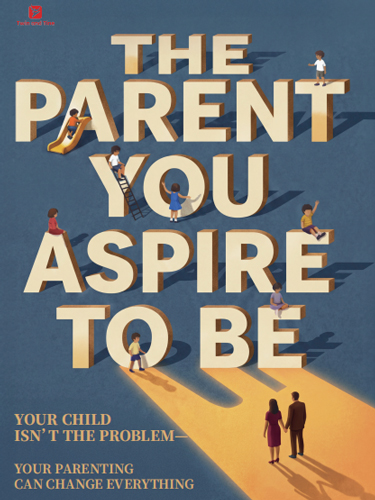
The Parent You Aspire to Be
Miles CarterPractical guidance for tantrums, backtalk, lying, screen addiction, emotional outbursts, and everyday parenting struggles.

