There was a period when I would always detour to sit for a while in the small park beside the aquarium on my way home from work. “I didn’t really love fish. Gazing at those slow-swimming creatures through the glass made me lose track of time for a moment. Standing outside the tank looking into that enclosed world, I’d get a strange illusion—as if all my emotions were diluted away by seawater. This exact feeling lingered in me the whole time I read Remarkably Bright Creatures.
On the surface, the novel tells a story about an octopus and several lonely souls, yet what stays with me most is its quiet tenderness. Unlike many healing novels that keep insisting life will get better, it gently reminds people that comfort doesn’t always come from solving all troubles. More often, it simply stems from finally having someone who sees your loneliness.
The plot is simple enough. Marcellus, an elderly giant Pacific octopus living in the aquarium, is intelligent, sharp-tongued and a little arrogant. Tova, an aging cleaner, has lived alone ever since losing her son years ago. Then there is young Cameron, whose life is in a mess, adrift about the future and never finding a true sense of belonging. These seemingly unrelated lives gradually intertwine with one another.
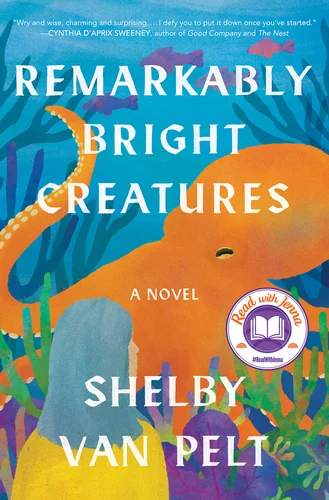
At first I thought it would be a fantasy warm story centered on a talking animal, but as I read on, I realized its true charm lies not in the thinking octopus, but in the unspoken inner void haunting every character.
I’m especially fond of the delicate depictions of Tova. Every night she cleans the aquarium alone at a slow, peaceful pace, her life trapped in an unchanging routine. She is reserved with her feelings and rarely talks about her late son, often pretending she has long gotten over the loss.
Reading these parts instantly reminded me of my grandmother. After my grandfather passed away, she always put on a brave face, cooking, walking and watching TV as usual, as if nothing had changed. But one day when I came home, I found her sitting alone on the balcony staring blankly at a withered potted flower. In that instant, I understood that some people never wear their sorrow on their sleeves; it sinks quietly into daily life and turns into a silent habit.
Marcellus is my favorite character in the book. He scoffs at human foolishness yet can’t help observing people secretly. He once said:
“Humans. For the most part, you are dull and blundering. But occasionally, you can be remarkably bright creatures.”
I couldn’t help smiling at this line. Though the octopus is the most non-human figure in the story, it is the first one to perceive all those unvoiced feelings between people. Humans, by contrast, often struggle to admit their loneliness or voice their needs. We all pretend to be fine and have moved on, when deep down we just haven’t been truly cared for in far too long.
What makes this book outstanding is its lack of exaggerated dramatic plots. It focuses on small daily moments: cleaning the aquarium at night,chatting in convenience stores, returning to an empty kitchen, and experiencing hesitant silences. Yet these subtle details strike straight at the heart.
Cameron seems laid-back and unreliable, but deep inside he is just terrified of being abandoned. More often than not, the more indifferent a person acts, the more they long for someone to stay by their side.
As I neared the end, I came to see that Remarkably Bright Creatures essentially explores one core theme: why human connection matters so much. Many people spend their whole lives putting up a strong front, yet what truly sustains us is not sheer independence, but tiny moments of companionship. Someone who remembers your preferences, who is willing to listen to your old stories repeatedly, who stays with you in silence—these plain little things mean far more than any grand truths.
Many modern novels claim to be ‘healing reads,’ but this one offers no sudden uplifting salvation. It is more like a dim lamp on a cold winter night, unable to brighten up all predicaments at once, yet giving you a quiet place to settle down and breathe easy.
I even felt reluctant to leave that aquarium world after finishing the book. It’s not about dramatic twists, but it made me notice the overlookedpeople and hidden emotions around me. Most of the time, we don’t need perfect answers. We just wish to know that in our silent moments, there is someone quietly watching over us too.
