You can have a steady paycheck, pay your bills on time, and still find yourself reaching for a credit card when something unexpected happens. A few purchases may not seem serious on their own, but when spending keeps rising and savings never catch up, debt can become the easiest way to cover the gap.
Avoiding debt is not only about spending less. It also means understanding how you make financial decisions, where your money goes, and what needs to change before a small money problem becomes a long-term cycle. These five books approach that problem from different angles, from debt repayment and spending habits to the financial decisions that can quietly keep you stuck.
1. The Total Money Makeover by Dave Ramsey
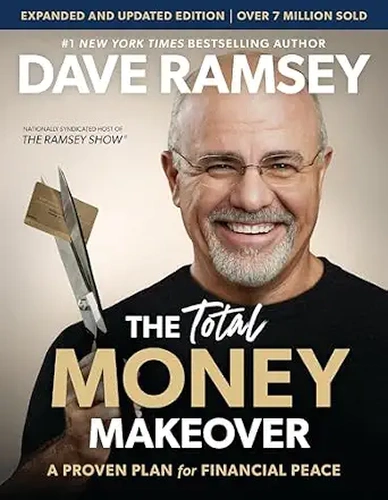
If you want a direct, structured approach to getting your finances under control, The Total Money Makeover is a strong place to start. Dave Ramsey presents a straightforward plan for paying off debt, building savings, and developing habits that make it easier to stay out of debt.
The book is particularly useful if you feel like your money disappears between paychecks or you keep relying on credit when expenses pile up. Rather than treating debt as something you simply live with, Ramsey encourages readers to make eliminating it a priority.
Best for: Creating a clear plan to pay off debt and avoid taking on more.
2. From Debt to Wealth by Owen Pierce
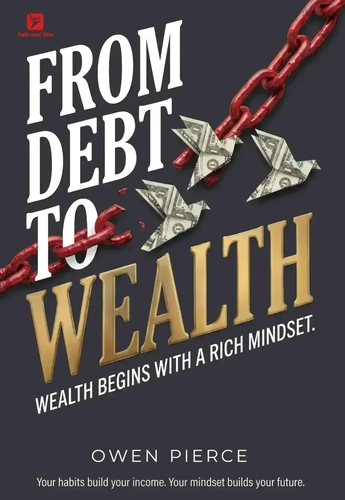
Getting out of debt is one problem. Understanding why you keep ending up there is another.
From Debt to Wealth looks at the financial patterns that can keep people stuck even when their income increases. Owen Pierce explores rising lifestyle costs, paycheck-to-paycheck living, expensive purchases, dependence on a single source of income, and the difference between earning money and actually building financial stability.
This makes it a useful choice if you have ever thought, “I earn more than I used to, so why am I still not getting ahead?” The book goes beyond cutting expenses and looks at how income, spending, skills, time, and assets can work together to change your financial position.
Best for: Breaking the cycle of earning more but still struggling financially.

From Debt to Wealth
Owen PierceYour paycheck comes in. The bills go out. And somehow, you’re back at zero again.
Learn why earning more does not always create financial progress—and what has to change before your money starts working differently.
3. The Behavior Gap by Carl Richards
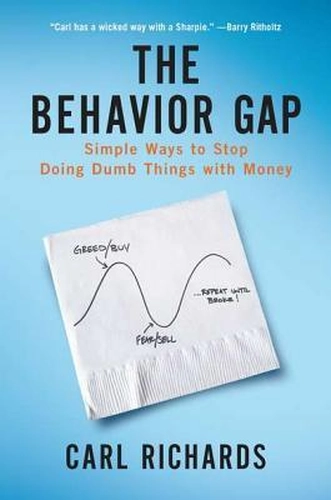
Sometimes the problem is not knowing what you should do with your money. It is what you actually do when emotions take over.
In The Behavior Gap, Carl Richards examines the mistakes people make when their financial decisions are influenced by fear, excitement, overconfidence, or short-term thinking. Simple financial choices can become costly when emotions repeatedly push you away from your long-term goals.
For anyone trying to avoid debt, this perspective matters. Recognizing the behaviors behind impulsive spending and poor financial decisions can make it easier to catch a problem before it turns into another balance on a credit card.
Best for: Understanding the financial decisions and behaviors that can work against you.
4. Know Yourself, Know Your Money by Rachel Cruze
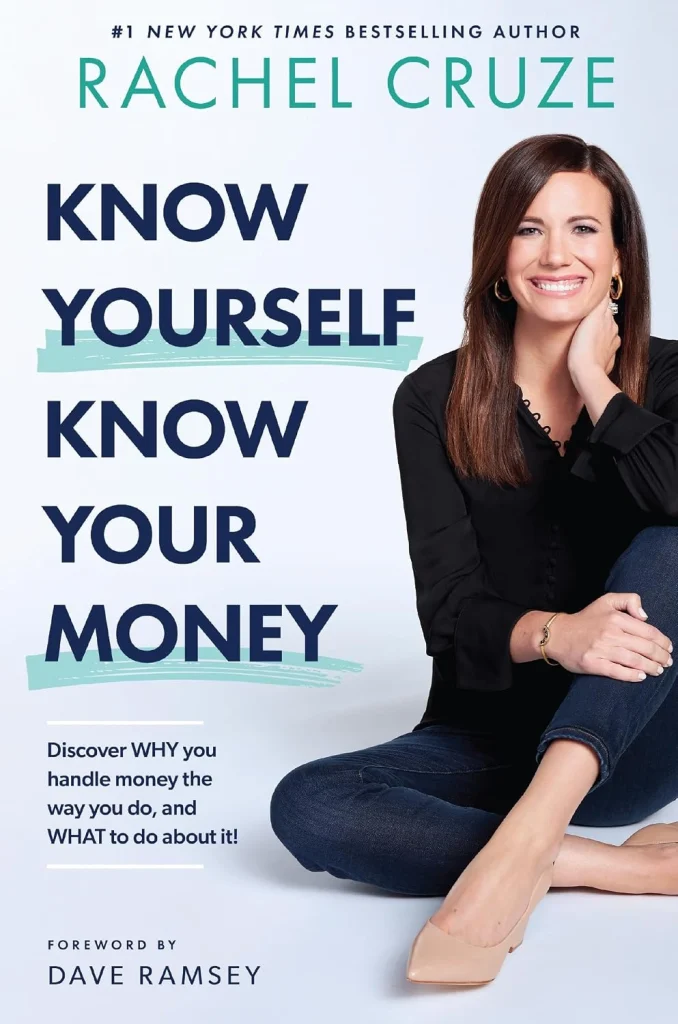
Two people with the same income can handle money completely differently. One may save automatically, while the other spends whenever there is extra money in the account.
Know Yourself, Know Your Money focuses on the personal habits, attitudes, and experiences that influence the way you spend and manage money. Rachel Cruze helps readers look at their own patterns instead of assuming that one financial strategy works equally well for everyone.
That can be especially helpful if you know the basics of budgeting but struggle to follow through. Understanding why you spend the way you do can be an important step toward making choices that keep you from relying on debt.
Best for: Identifying your personal spending patterns and changing them.
5. The Latte Factor by David Bach and John David Mann
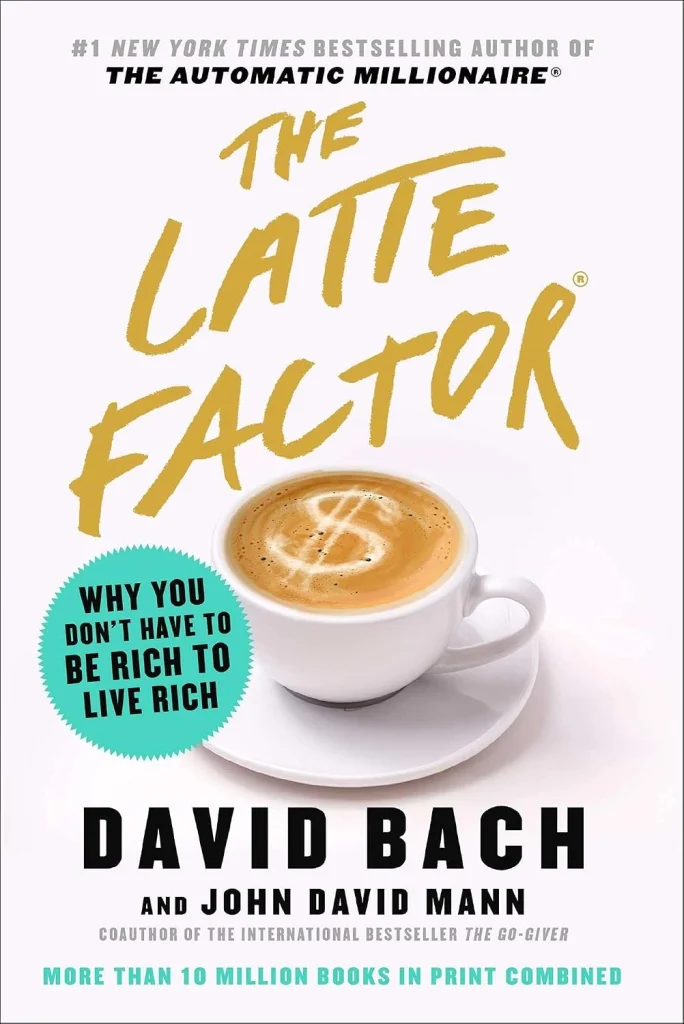
Not every financial problem starts with a major purchase. Sometimes it is the collection of everyday spending that slowly leaves you with nothing to spare.
The Latte Factor uses small, familiar expenses to illustrate how seemingly insignificant purchases can affect your larger financial picture over time. The book encourages readers to become more aware of where their money goes and to redirect some of those dollars toward their financial goals.
It is a simple approach, but it can be useful if you often wonder where your paycheck went by the end of the month. Small spending decisions may not create debt by themselves, but changing them can create more room for saving and unexpected expenses.
Best for: Finding everyday spending that could be redirected toward savings.
Which Book Should You Start With?
The right choice depends on where your financial problem starts.
If you already have significant debt and need a structured payoff approach, The Total Money Makeover is the most direct option. If you earn a reasonable income but still find yourself stuck in the same financial cycle, From Debt to Wealth takes a broader look at what may be keeping you there.
For readers who understand the basics but struggle with financial decision-making, The Behavior Gap offers a useful perspective. If your spending habits feel deeply personal, Know Yourself, Know Your Money can help you understand them. And if your biggest problem is the accumulation of everyday expenses, The Latte Factor is an accessible place to start.
The important thing is not simply to avoid one credit card balance. It is to build a financial life where borrowing money is no longer the solution every time your expenses get ahead of your savings.
Did this article help you see things differently? Our books turn helpful ideas into practical tools you can return to anytime.



Break the Anxiety Circle
$19.90
From Debt to Wealth
$19.90


