You meet someone for the first time and immediately feel comfortable. Another person says all the right things, yet something about the interaction makes you hesitate. Sometimes you know exactly what caused the reaction. Other times, you only know that your instincts are telling you to pay attention.
That feeling can be useful, but it can also be misleading. Instincts are shaped by experience, perception, emotion, and unconscious pattern recognition. Learning to sharpen them means understanding both sides: how your mind can notice things before you consciously process them, and how easily your own assumptions can distort what you see.
These five books offer different ways to understand that process.
1. Blink by Malcolm Gladwell
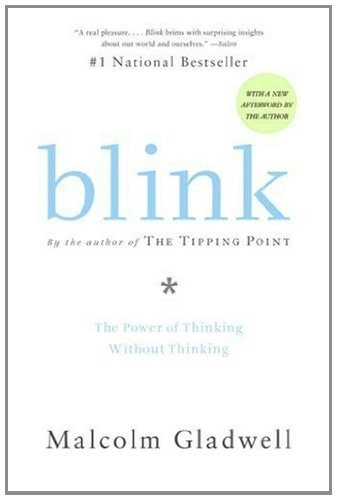
How much can you know about a situation before you have time to think it through?
That question sits at the center of Blink. Malcolm Gladwell examines the rapid judgments people make in the first moments of an experience and why those snap decisions can sometimes be remarkably accurate.
But the interesting part is not simply that first impressions can be right. Gladwell also explores situations in which quick judgments become distorted by prejudice, incomplete information, or misleading signals.
That makes Blink a useful starting point for anyone who wants to become more aware of those instant reactions instead of automatically trusting or dismissing them.
2. Awakening to Human Nature by Owen Pierce
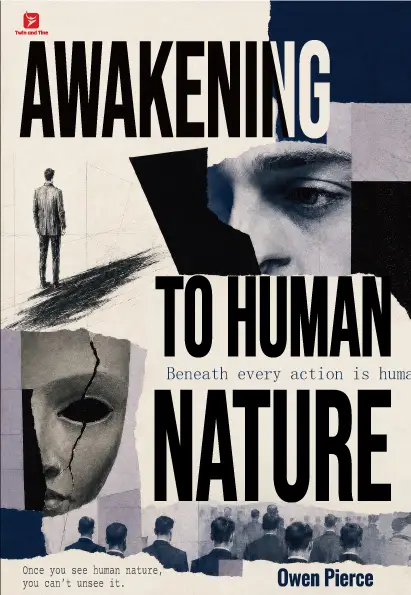
Sometimes your instinct about a person does not come from one obvious warning sign. It comes from several small things that do not seem important until they start forming a pattern.
A person’s attitude shifts when you stop giving them what they want. Their support feels different when your circumstances improve. Their words remain reassuring, but their actions become increasingly difficult to reconcile with them.
Awakening to Human Nature looks at the human forces that can produce these contradictions, including self-interest, validation, expectations, self-deception, changing loyalty, and emotional pressure. The focus is not on guessing someone’s thoughts. It is on becoming more attentive to what repeated behavior reveals.
If you have ever had the feeling that you should pay closer attention to someone but could not explain why, this is where the book becomes especially relevant.
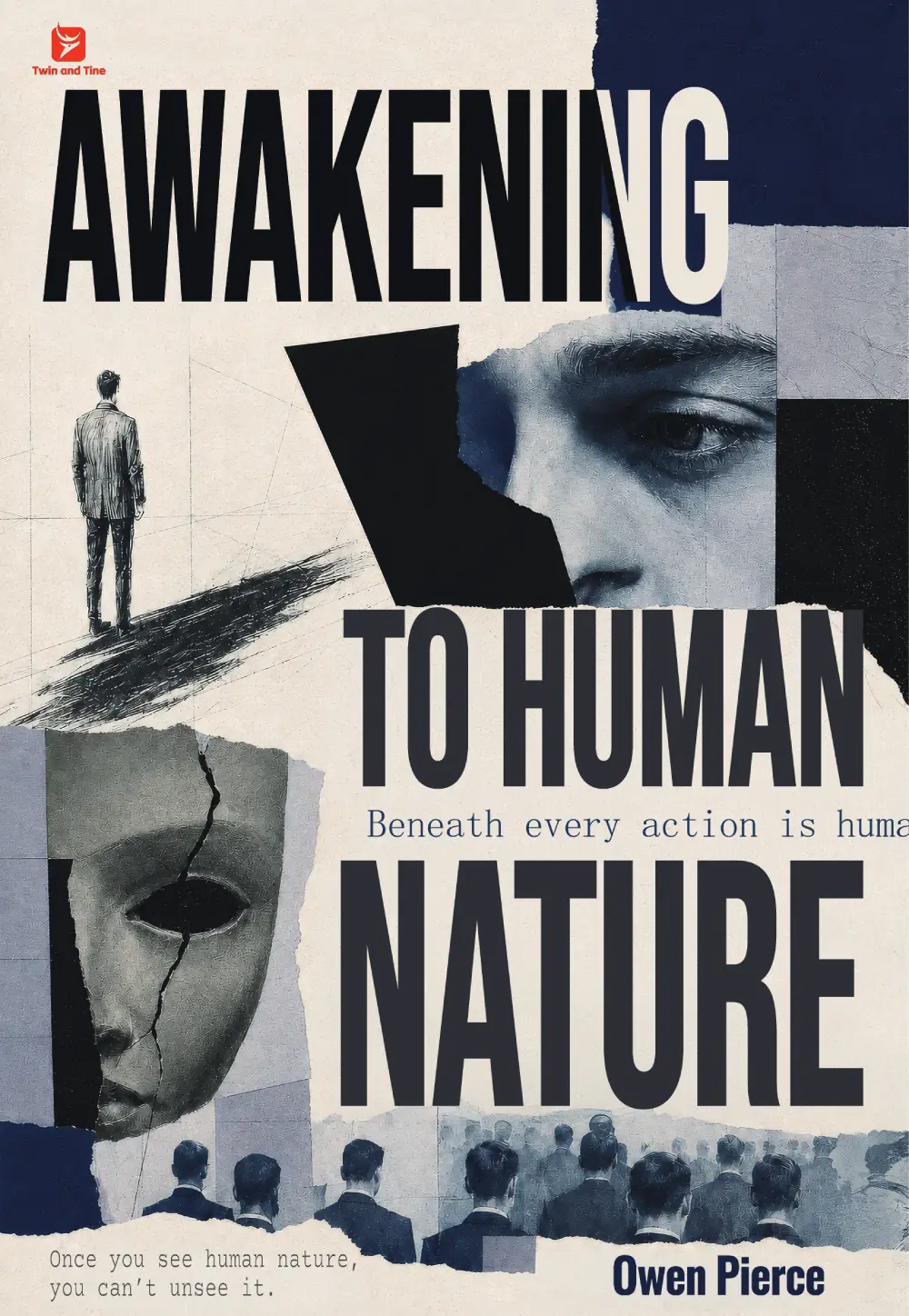
Awakening to Human Nature
Owen PierceYou saw the signs. You just didn’t know what they meant yet.
Learn how to notice the patterns behind people’s words, choices, loyalty, pressure, and changing behavior.
3. The Power of Intuition by Gary Klein
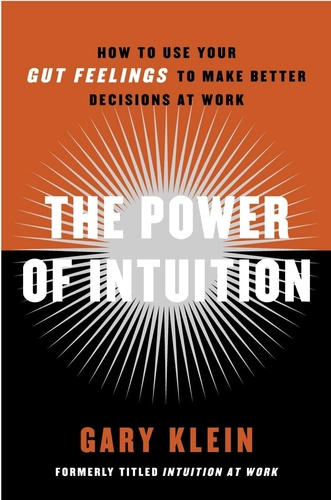
What separates a useful gut feeling from a random hunch?
Gary Klein’s answer begins with experience. In The Power of Intuition, he draws on research involving people who regularly make decisions under pressure, including firefighters, military personnel, medical professionals, and executives. His argument is that skilled intuition can develop from learning to recognize patterns and meaningful cues.
That changes the way you might think about instinct. A strong intuition is not necessarily some mysterious ability you were born with. In the right environment, it can be the result of your mind recognizing something familiar before you consciously work through the details.
The book is especially interesting if you want to make your instincts more reliable rather than simply becoming more confident in them.
4. Gut Feelings by Gerd Gigerenzer
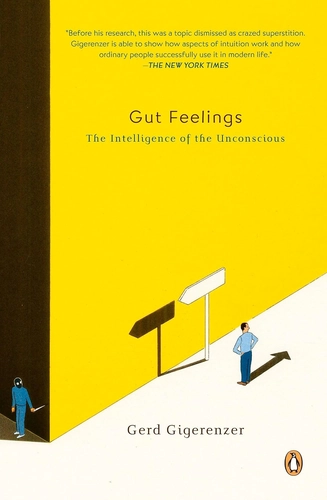
Your brain does not always need every piece of information before it can make a useful decision.
Gut Feelings takes a scientific look at that idea. Gerd Gigerenzer explains how unconscious processes use simple rules and information gathered from experience to reach decisions quickly. His work helps explain why intuition can sometimes outperform lengthy analysis, particularly when the environment provides useful patterns for the brain to recognize.
This offers an important counterpoint to the idea that instinct is simply irrational. Sometimes your brain has already processed information that you have not consciously articulated.
The catch is that intuition works best under the right conditions. Knowing that can help you become more selective about which gut feelings deserve your trust.
5. The Invisible Gorilla by Christopher Chabris and Daniel Simons
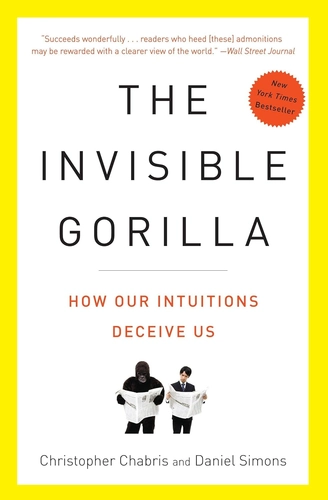
Sharpening your instincts also means learning when not to trust them.
The Invisible Gorilla is a fascinating reminder that confidence in what we see does not guarantee that we have actually noticed everything important. Chabris and Simons use experiments involving attention, perception, memory, and reasoning to show how easily the mind can overlook information that is directly in front of us.
This matters because an instinct can feel convincing while being built on incomplete information. You may be certain that you noticed everything relevant when, in reality, your attention was focused somewhere else.
In other words, a sharper instinct does not mean becoming more certain. Sometimes it means becoming better at questioning your own first impression.
How Can You Sharpen Your Instincts?
Start by taking the feeling seriously without immediately treating it as fact.
If someone makes you uncomfortable, ask yourself what you actually noticed. If a decision feels wrong, separate the signal from the story you are telling yourself about it. If you have a strong first impression, give yourself enough time to see whether later evidence supports it.
The most useful instinct is not the one that makes you feel certain. It is the one that helps you notice something worth investigating.
And the more you understand how intuition, experience, attention, and human behavior interact, the better you can tell the difference between a signal you should explore and a feeling you should question.
If you found this helpful, these books go deeper into the same themes.




Break the Anxiety Circle
$19.90

From Debt to Wealth
$19.90

