A friend is warm when you are available, generous, or useful, but becomes distant when you need something yourself. They remember you when they need advice, a favor, or emotional support, yet somehow disappear when you are the one having a difficult week.
That kind of friendship can leave you questioning yourself. Maybe you are expecting too much. Maybe they are just busy. Maybe every friendship goes through periods like this.
But there is a difference between a friendship that occasionally feels uneven and one where the relationship repeatedly depends on what one person can provide. These books can help you understand that difference, protect your boundaries, and decide what to do when someone’s friendship seems to come with conditions.
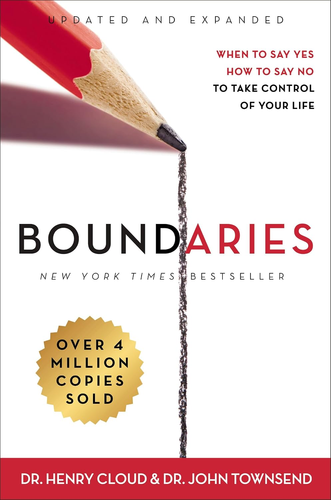
1. Boundaries by Henry Cloud and John Townsend
You do not have to keep saying yes to prove that you are a good friend.
Boundaries focuses on a problem that appears in friendships, family relationships, work, and other parts of life: knowing where your responsibility ends and someone else’s begins. Henry Cloud and John Townsend explain why people can struggle to say no, take responsibility for other people’s problems, or feel guilty when they put their own needs first.
That is particularly relevant when a friendship has become one-sided. If someone expects constant availability from you, setting a limit gives you useful information. A healthy friend may be disappointed by a boundary, but they should still be able to respect it.
The book’s biggest value here is simple: you can care about someone without being endlessly available to them.
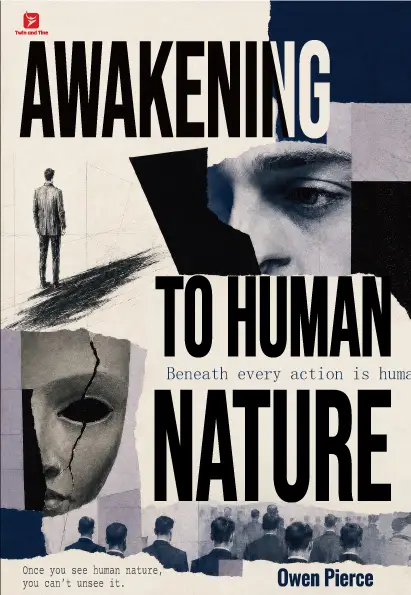
2. Awakening to Human Nature by Owen Pierce
A friendship can feel very different once you stop providing what the other person has become accustomed to receiving.
Maybe the person is attentive when you can help them, supportive when you agree with them, or affectionate when they need something. Then your circumstances change. You become less available, stop solving their problems, or simply start putting your own needs first.
Awakening to Human Nature examines the psychological forces that can influence these shifts, including self-interest, expectations, validation, changing circumstances, and loyalty. It offers a broader way to think about relationships where someone’s behavior seems to change according to what they can gain or lose.
Sometimes the clearest answer is not found in what a friend promises. It is found in what happens after you stop giving them everything they expect.
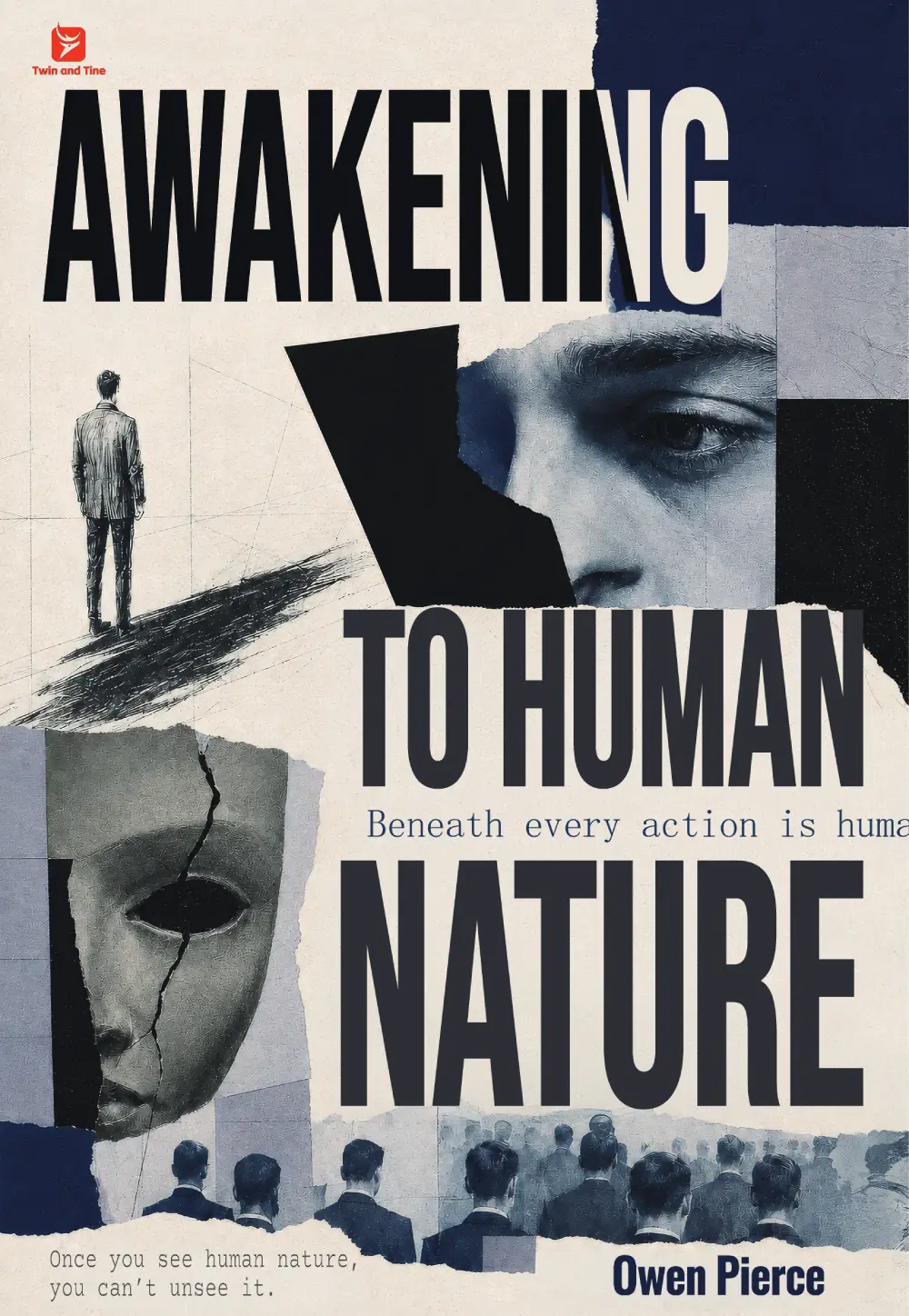
Awakening to Human Nature
Owen PierceYou saw the signs. You just didn’t know what they meant yet.
Learn how to notice the patterns behind people’s words, choices, loyalty, pressure, and changing behavior.
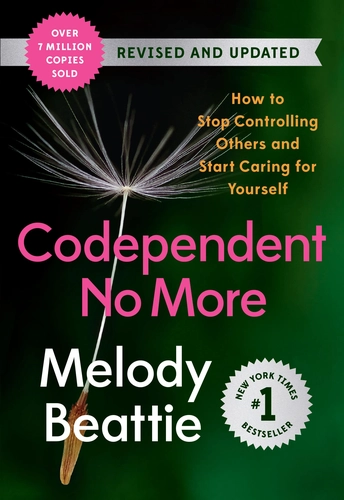
3. Codependent No More by Melody Beattie
Why do you keep doing things for someone when you know the relationship is exhausting you?
That question is central to Codependent No More. Melody Beattie explores patterns in which people become overly focused on another person’s needs, problems, behavior, or approval while gradually losing sight of their own needs.
This can make conditional friendships especially difficult to leave or change. You may recognize that the relationship is unequal and still feel responsible for keeping the other person happy.
The book provides a useful shift in perspective: supporting someone is not the same as taking responsibility for them.
4. Set Boundaries, Find Peace by Nedra Glover Tawwab
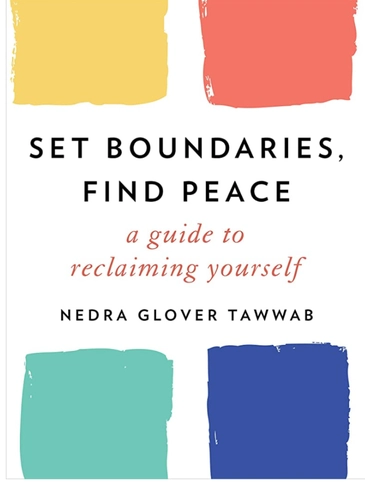
Sometimes you know a friendship is draining you. The harder question is what to actually say.
Set Boundaries, Find Peace takes a practical approach to boundaries, covering situations where people struggle to communicate their needs, say no, or deal with difficult relationships. Nedra Glover Tawwab emphasizes that boundaries are not about controlling another person’s behavior. They are about clearly communicating what you will and will not accept.
That distinction can change how you handle a conditional friendship. Instead of trying to convince someone to become more considerate, you can change your own participation in the relationship and allow their response to speak for itself.
If they only like you when you are accommodating, their reaction to a reasonable boundary may tell you quite a lot.
5. Emotional Blackmail by Susan Forward
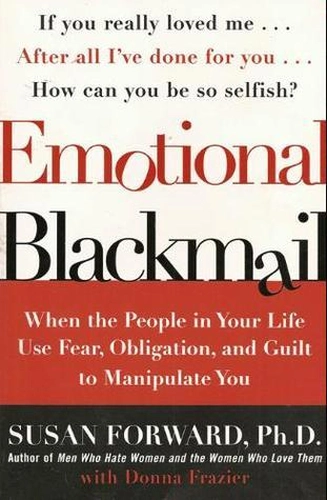
Not every conditional friendship is obvious.
A friend may never directly say, “Do this for me or I won’t be your friend.” Instead, they might make you feel guilty for saying no, withdraw affection when you disagree, remind you of everything they have done for you, or suggest that a real friend would do what they are asking.
Susan Forward’s Emotional Blackmail examines this kind of pressure and the fear, obligation, and guilt that can keep people complying with someone else’s demands.
It is worth reading if you find yourself thinking, “I don’t actually want to do this, but I feel like I have no choice.” That feeling can be an important signal that the relationship needs a closer look.
What Should You Do When a Friendship Feels Conditional?
You do not necessarily need to end the friendship the moment you notice an imbalance.
Try changing one thing first. Stop automatically agreeing. Take longer to respond to requests. Ask for help when you need it. Say no to something you would normally accept.
Then watch what happens.
If the friendship survives your boundary, there may be room to make the relationship healthier. If warmth disappears, contact becomes rare, or the other person becomes angry simply because you stopped being endlessly available, you have learned something important.
A real friendship can have periods of imbalance. One person may need more support at one point, and the other may need more later. What matters is whether there is room for both people to have needs.
You can be generous without making yourself permanently available. You can care about a friend without accepting every demand. And you can step back from a relationship without needing to prove that the other person is a bad person first.
If you found this helpful, these books go deeper into the same themes.




Break the Anxiety Circle
$19.90

From Debt to Wealth
$19.90

