Some people spend their entire careers trying to earn more, yet never build much wealth. Others find ways to turn their skills, time, and money into things that continue creating value.
Getting rich is not simply about having a large paycheck. It can involve ownership, leverage, valuable skills, business systems, financial habits, and what you do with the money you already earn. These five books offer different perspectives on how people move from earning an income to building real wealth.
1. The 4-Hour Workweek by Timothy Ferriss
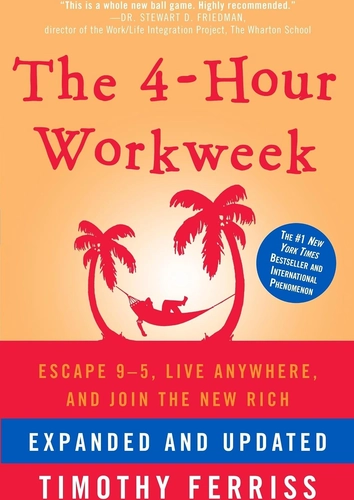
What if earning more money does not require working more hours?
The 4-Hour Workweek challenges the assumption that long hours and traditional career progression are the natural path to financial freedom. Timothy Ferriss focuses on eliminating unnecessary work, using technology and outsourcing, and building income streams that are less dependent on your constant presence.
The bigger idea is leverage. If every dollar you earn requires another hour of your time, there is a limit to how far that model can take you. Finding ways to create more value without increasing your hours can change that equation.
2. From Debt to Wealth by Owen Pierce
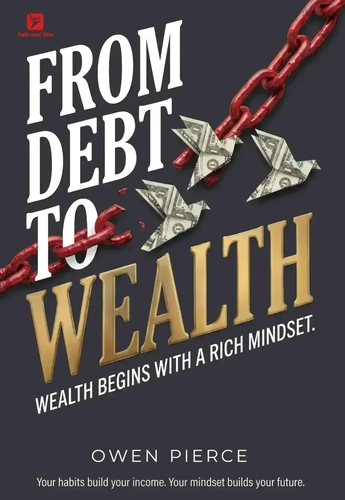
A person can receive a raise and still end up in exactly the same financial position.
That happens when higher income simply leads to higher spending, while debt continues consuming future income and every dollar remains dependent on active work.
From Debt to Wealth examines this gap between earning more and actually getting ahead. It connects income with spending, skills, time, and assets, giving readers a broader way to think about what has to change before higher earnings begin turning into lasting financial progress.
If you are making more than you used to but still cannot understand why you are not building wealth, this is the book on the list that addresses that problem most directly.

From Debt to Wealth
Owen PierceYour paycheck comes in. The bills go out. And somehow, you’re back at zero again.
Learn why earning more does not always create financial progress—and what has to change before your money starts working differently.
3. Zero to One by Peter Thiel
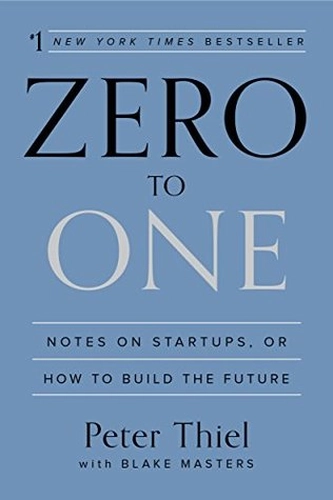
Most people think about getting rich by doing what already works.
Peter Thiel asks a different question: What could you create that does not exist yet?
In Zero to One, Thiel explores entrepreneurship, innovation, monopoly, competition, and the value of building something genuinely different. His central argument is that creating something new can produce opportunities that simply competing in an existing market cannot.
That makes this book useful for understanding one route to wealth that has little to do with cutting expenses or earning a slightly higher salary: creating disproportionate value.
4. Secrets of the Millionaire Mind by T. Harv Eker
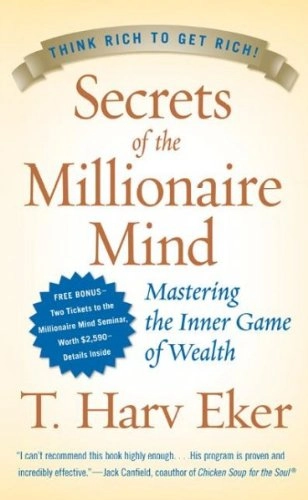
Two people can earn the same amount of money and still end up in completely different financial situations.
Secrets of the Millionaire Mind focuses on the beliefs and mental patterns people develop around money. T. Harv Eker argues that the way you think about earning, spending, saving, and wealth can influence the financial decisions you repeatedly make.
Whether or not you agree with every part of Eker’s approach, the underlying question is worth considering: if your financial behavior never changes, will a higher income actually change your life?
Sometimes the obstacle is not the opportunity to make more money. It is what you consistently do once you have it.
5. The E-Myth Revisited by Michael E. Gerber
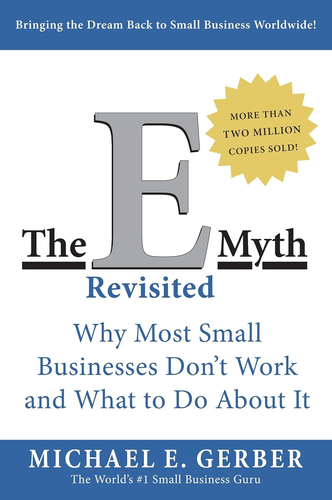
A business owner can work harder than an employee and still end up owning a job rather than a business.
The E-Myth Revisited examines why small businesses struggle and why being good at a particular skill does not automatically make someone good at running a company. Michael E. Gerber emphasizes systems, processes, and building a business that can function without everything depending on the owner.
That idea connects directly to wealth building. If your income disappears whenever you stop working, your earning power has a natural ceiling. Creating systems and assets that continue producing value can give your time a different kind of leverage.
So, How Do People Get Rich?
There is no single formula.
Some build companies. Some develop highly valuable skills. Some use leverage to make their time more productive. Others steadily turn income into assets and allow those assets to grow.
But one distinction matters across all of these approaches:
Making more money is not the same as becoming wealthier.
If every raise is absorbed by higher spending, if debt keeps consuming tomorrow’s income, or if your financial progress depends entirely on working more hours, increasing your income alone may not change much.
That is why From Debt to Wealth belongs near the center of this conversation. It focuses on the transition that is easy to overlook: how to stop simply earning money and start using income, skills, time, and assets to build something that lasts.
The question is not only how much you can make.
It is what your money can become after you make it.
Did this article help you see things differently? Our books turn helpful ideas into practical tools you can return to anytime.



Break the Anxiety Circle
$19.90
From Debt to Wealth
$19.90


