You can earn a decent income and still feel like you are getting nowhere.
When debt payments take a large part of every paycheck, there is less left for savings, emergencies, investing, or simply having room to make better financial choices. Over time, debt can do more than increase your expenses. It can keep your money tied to the past.
These five books explore different parts of that cycle, from overspending and budgeting to financial habits, debt repayment, and building long-term stability.
1. The Year of Less by Cait Flanders
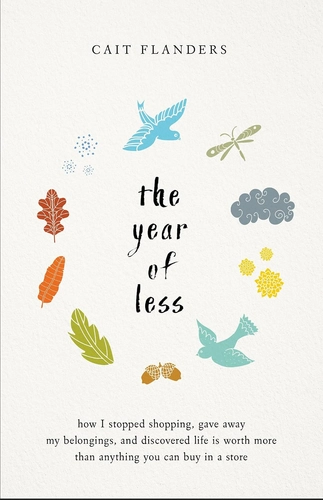
Earn more. Buy more. Want more. Repeat.
That cycle eventually caught up with Cait Flanders. After paying off nearly $30,000 in consumer debt, she realized that changing the balance in her bank account was not enough if her spending habits remained the same. She decided to spend an entire year buying only necessities and documenting what happened.
The Year of Less is part financial experiment, part personal story. Instead of treating debt as a problem that begins when someone borrows too much, it looks further upstream at the consumption habits that can make borrowing feel normal in the first place.
If your debt keeps returning after you pay it down, that distinction matters.
2. From Debt to Wealth by Owen Pierce
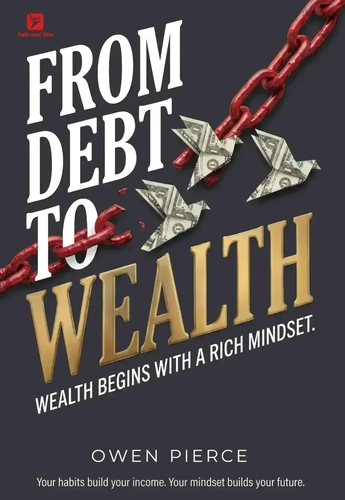
Paying off debt is important. But what happens after the balance reaches zero?
From Debt to Wealth takes a wider view of financial progress. It looks at how income, spending, skills, time, and assets interact, and why earning more does not automatically mean becoming financially stronger.
This matters because debt can create a frustrating cycle. You make money, use part of it to cover old obligations, spend what remains, and then depend on the next paycheck to repeat the process.
The book focuses on changing that direction: from simply having enough income to keep up with expenses toward using income to create greater financial stability and build wealth.

From Debt to Wealth
Owen PierceYour paycheck comes in. The bills go out. And somehow, you’re back at zero again.
Learn why earning more does not always create financial progress—and what has to change before your money starts working differently.
3. You Need a Budget by Jesse Mecham
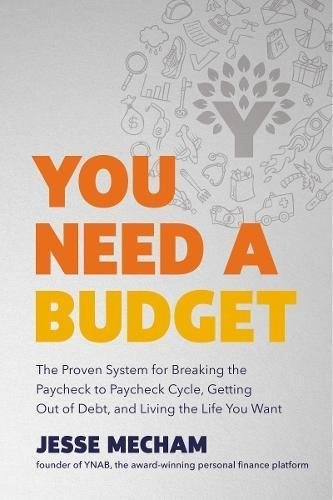
Sometimes the problem is not that you do not make enough money. It is that your money already has too many jobs.
Jesse Mecham’s You Need a Budget is built around a system for assigning your available money to priorities, handling unexpected expenses, and breaking the paycheck-to-paycheck cycle. Goodreads currently lists more than 9,400 ratings, and the book specifically addresses getting out of debt and saving more.
That makes it particularly relevant if debt feels less like one huge financial mistake and more like the result of dozens of smaller decisions that keep leaving you short at the end of the month.
A budget cannot erase debt overnight. What it can do is make it harder for your spending to quietly outrun your income.
4. The Financial Diet by Chelsea Fagan
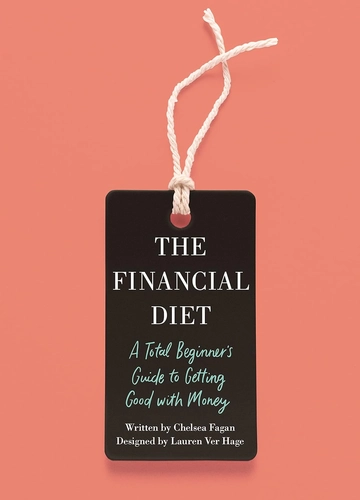
Personal finance can sound completely different when it is written for someone who is not already good with money.
The Financial Diet approaches money from the perspective of everyday life: overspending, credit, debt, budgeting, salaries, and the financial decisions that happen outside a spreadsheet. It is aimed particularly at people who are starting from a place of uncertainty rather than already having a sophisticated investment strategy.
That makes the book useful for a reader who does not necessarily think of themselves as “bad with money,” but keeps making choices that leave them financially stretched.
Getting out of debt often starts with understanding what your ordinary spending is actually doing to your financial life.
5. Get Good with Money by Tiffany Aliche
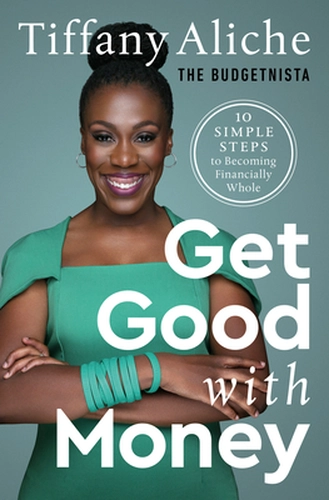
What does financial recovery look like when you want more than simply paying off your debts?
Tiffany Aliche’s Get Good with Money lays out a broader framework for becoming financially secure, covering budgeting and saving alongside credit, insurance, investing, and building net worth. The book grew out of Aliche’s own experience of falling into a serious financial hole and working her way toward financial stability.
That bigger perspective is useful because being debt-free is not the same as being financially secure.
You can have no credit-card balance and still have no emergency savings. You can earn more and still have no investments. You can stop borrowing and still have a financial system that leaves you vulnerable to the next unexpected expense.
Can Debt Really Make You Poor?
Debt itself is not automatically a sign that someone is poor. Some debt can be used to buy an asset, fund education, or build a business.
The problem is what happens when debt consistently consumes the money that could have been used to build your financial future.
If every paycheck has to cover yesterday’s spending, your income has less opportunity to create tomorrow’s security. That is why getting out of debt is only one part of the problem.
From Debt to Wealth is built around the next step: understanding how to make your income work differently once you stop letting debt and uncontrolled spending dictate where it goes.
The goal is not simply to owe less.
It is to reach a point where more of the money you earn stays available to build your future.
Did this article help you see things differently? Our books turn helpful ideas into practical tools you can return to anytime.



Break the Anxiety Circle
$19.90
From Debt to Wealth
$19.90


