You are in the middle of a conversation when someone makes a comment that catches you off guard. Maybe a colleague dismisses your idea, your partner misunderstands what you meant, or a friend says something that feels unnecessarily hurtful. You know that reacting angrily will probably make things worse, but staying silent leaves you feeling frustrated and misunderstood. By the time you figure out what you wanted to say, the conversation has already moved on.
Learning how to communicate with emotional intelligence can help you handle these moments differently. It means recognizing what you feel, considering what the other person might be experiencing, and choosing words that express your thoughts without creating unnecessary conflict. You do not need to suppress your emotions or agree with everyone. You need to learn how to respond in ways that protect your relationships, your boundaries, and your self-respect.

What Does It Mean to Communicate With Emotional Intelligence?
Emotional intelligence in communication involves more than keeping your voice calm. It also requires understanding how emotions influence your interpretation of a situation, how your words affect other people, and how to express yourself when the conversation becomes uncomfortable.
For example, imagine that your manager says your recent work needs improvement. Your first reaction might be to explain how much effort you put into the project or point out everything that went wrong because of other people. That reaction is understandable, especially if you feel your work has been unfairly judged. However, becoming defensive too quickly can prevent you from learning what your manager actually wants you to change.
An emotionally intelligent response might be, “Could you help me understand which parts need the most improvement?” You are not admitting that every criticism is justified. You are gathering information before deciding how to respond.
This approach can make a difference in several everyday situations:
- When someone criticizes you, you can listen for useful information without automatically treating the feedback as a personal attack.
- When you disagree, you can explain your reasoning without belittling the other person’s opinion.
- When someone crosses a boundary, you can address the behavior directly instead of pretending everything is fine.
- When emotions run high, you can slow the conversation down rather than saying something you will regret.
- When you need help or support, you can make a clear request instead of expecting others to guess what you need.
The purpose is not to make every conversation pleasant. Some conversations will remain difficult, and some people will not respond reasonably. Emotional intelligence helps you focus on the part you can control: your own words, decisions, and behavior.
5 Ways to Communicate With Greater Emotional Intelligence
Emotional intelligence helps you manage your reactions, understand others, and express yourself clearly in difficult conversations. These five practical habits can help you communicate with more confidence and less conflict.
1. Recognize Your Emotions Before Responding
When someone criticizes you or challenges your opinion, pause before reacting. Notice whether you feel angry, embarrassed, or defensive, and take a breath before speaking. Understanding your emotions helps you respond to the actual problem instead of letting frustration control the conversation.
2. Listen Before Defending Yourself
Instead of preparing your rebuttal while someone is talking, make sure you understand their concern. You might ask, “It sounds like you felt left out of the decision. Is that right?” Listening does not mean agreeing with everything; it helps you understand the other person’s perspective before explaining your own.
3. Express Your Needs Clearly
Avoid hinting at what you want or waiting until frustration builds. Use direct, respectful language to explain your needs. For example, say, “I need uninterrupted time to finish this task. Can we agree on a deadline before adding more work?” Clear requests reduce misunderstandings without placing unnecessary blame.
4. Set Boundaries Without Becoming Aggressive
You can respect other people’s feelings without accepting every request or inappropriate comment. State your limits calmly and clearly, such as, “I’d prefer that we keep the discussion focused on the work.” You do not need to overexplain or become confrontational to stand up for yourself.
5. Pause When Conversations Become Heated
When emotions run high, continuing to argue can make the problem worse. Try saying, “I think we are both getting a bit heated. Why don’t we take 20 minutes and come back to it?” A short break gives both people time to settle down, making it easier to resume the conversation constructively.
A Practical Book for Improving Emotional Intelligence in Communication
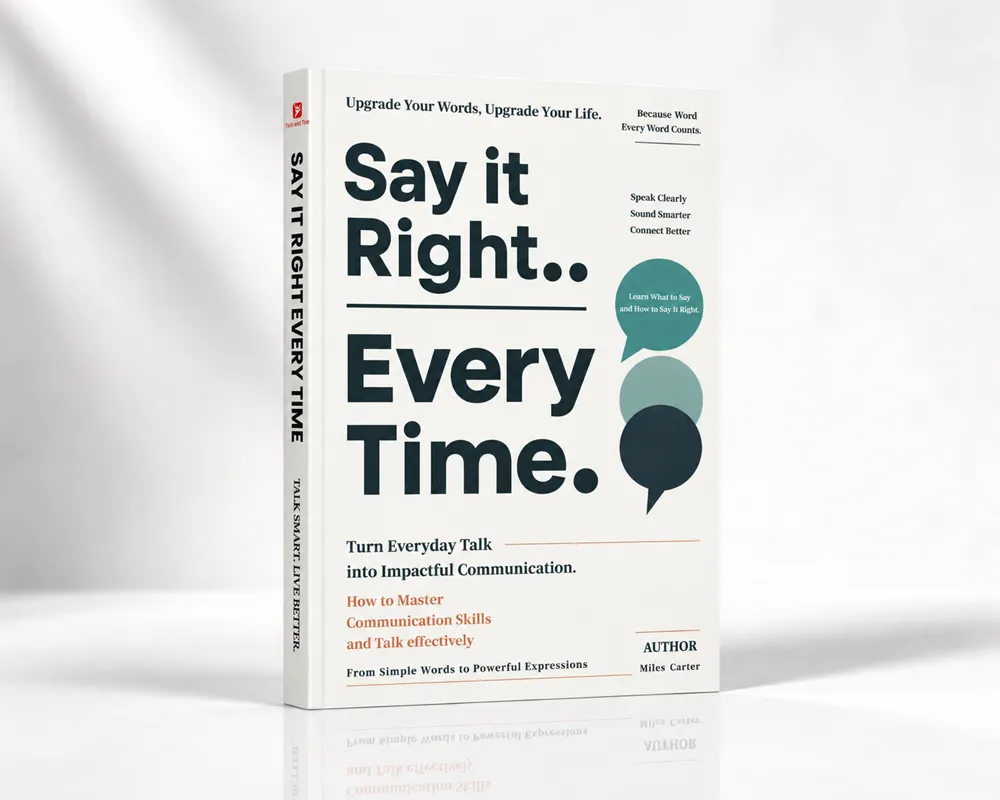
Say It Right Every Time by Miles Carter
Knowing that you should listen carefully, manage your emotions, and set boundaries is a good starting point. The harder part is finding the right words when someone is criticizing you, pushing back against your decision, or making a conversation uncomfortable. Say It Right Every Time focuses on that practical challenge, offering examples and frameworks for communicating more clearly in everyday situations.
The book covers mature expression and calm responses, including how to make requests, disagree respectfully, respond to difficult remarks, express ideas, and maintain boundaries. Rather than expecting you to invent a perfect response under pressure, it gives you language you can study, adapt, and practice before you need it.

Say it Right..Every Time.
Miles CarterPractical communication tools for the moments that matter — say what you mean, calmly and confidently.
What Can You Learn From Say It Right Every Time?
Respond to strong emotions without making the situation worse. When another person is upset, immediately correcting them may make them feel even less understood. The book includes ways to keep communication open, such as asking, “Tell me more about why you are feeling this way. I do want to understand so we can work it out.” This helps you invite an explanation without pretending that you already agree.
Handle criticism without becoming defensive. Feedback can feel personal, especially when you have invested a lot of effort in your work. Learning to ask specific questions, clarify expectations, and explain your perspective calmly can help you focus on the issue rather than getting caught in the emotional sting of being criticized.
Express disagreement with confidence. You do not have to choose between saying nothing and arguing aggressively. Practical communication frameworks can help you explain what you think, why you think it, and where you see things differently while still treating the other person with respect.
Protect your boundaries in everyday interactions. Whether you need to decline a request, respond to an inappropriate remark, or ask someone to change their behavior, clear language can help you avoid unnecessary explanations and mixed messages. The aim is to communicate your position firmly without escalating the interaction.
The book is especially relevant for people who often think of a better response only after a conversation has ended, struggle to say no, or find it difficult to stay composed when challenged. Its scripts are starting points rather than lines you must memorize word for word. You can adapt them to your personality and the situation, then practice until your responses feel more natural.

How to Practice Emotional Intelligence in Real Conversations
You do not need to change every aspect of your communication style at once. In fact, trying to monitor every word you say can make conversations feel unnatural. A more manageable approach is to choose one recurring difficulty and practice a specific skill until it becomes easier to use.
For the next week, try this simple routine:
- Before a conversation: If you expect a difficult discussion, identify the main point you want to communicate. Think about what outcome you are hoping for and which boundary or request needs to be clear.
- During the conversation: Pay attention to your emotional reactions. If you feel yourself becoming defensive, pause briefly and ask a clarifying question before responding.
- When expressing your position: Focus on specific behavior, needs, and next steps rather than making broad statements about the other person’s personality or intentions.
- After the conversation: Reflect on one thing you handled well and one thing you would like to improve. Avoid replaying every detail as evidence that you said something wrong.
You can also keep a short list of phrases that help you navigate situations you find difficult. For example, prepare a way to ask for clarification when receiving criticism, a polite but firm response when declining requests, and a calm sentence for suggesting a break during an argument. Having these options available can reduce the pressure to come up with the right words instantly.
Progress does not mean that you will never lose your temper or feel nervous during an uncomfortable discussion. It means you gradually become better at recognizing what is happening and choosing a response that reflects what you actually want to communicate.
Better Communication Starts With One Response at a Time
Learning how to communicate with emotional intelligence can help you build stronger relationships, manage disagreements more constructively, and express yourself without constantly worrying about how others will react. The key is to combine emotional awareness with practical communication skills: recognize your feelings, listen carefully, speak clearly, and maintain boundaries when necessary.
If you want structured help putting these ideas into practice, Say It Right Every Time by Miles Carter offers 115 scripts and 15 frameworks for everyday communication challenges. With a 4.8/5 rating from more than 2,600 readers, it provides a practical resource for people who want to improve how they respond to criticism, express their needs, and navigate difficult conversations.
You cannot control whether every person listens, understands, or treats you fairly. You can, however, become more deliberate about the way you communicate. Start with one conversation that usually leaves you frustrated, try a different response, and build from there. Over time, those small choices can make it easier to speak with both confidence and consideration.
Did this article help you see things differently? Our books turn helpful ideas into practical tools you can return to anytime.



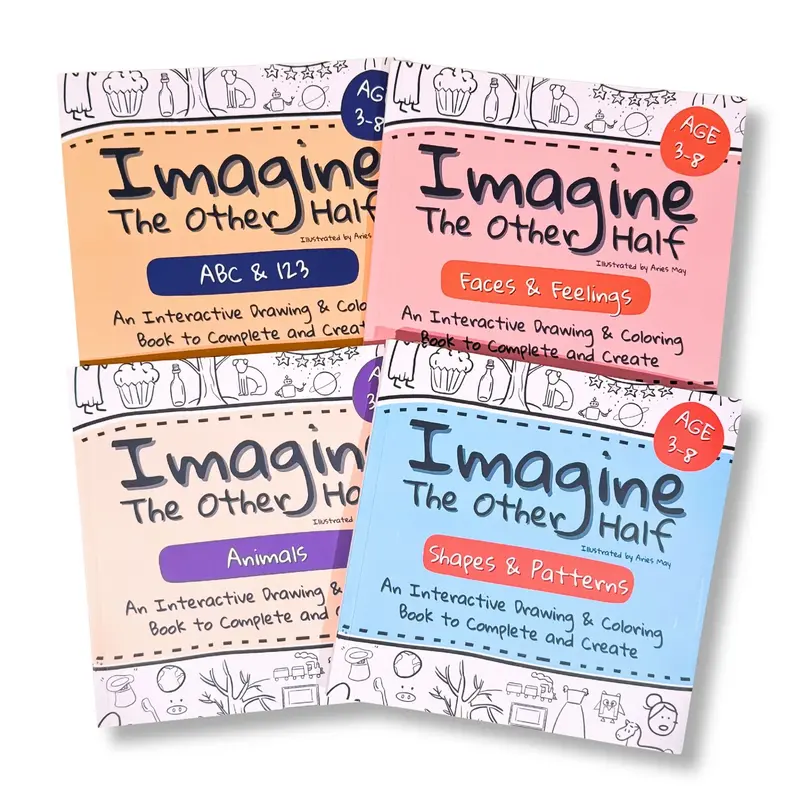
Imagine The Other Half
$24.99

