Your child refuses to turn off the TV, argues when you say no, or throws a tantrum when you insist it’s time to leave the playground. You try explaining, but the argument continues. Eventually, you either raise your voice or give in because you are exhausted.
If this sounds familiar, learning how to set boundaries with your child starts with one important shift: you can acknowledge your child’s feelings without changing the rule. Children need to know that their emotions matter, but they also need consistent limits that help them learn self-control and responsibility.
Instead of saying, “Stop crying. I’ve already told you no,” try, “I know you’re disappointed because you want to keep watching. It’s okay to be upset, but screen time is finished for today.” Keep your explanation short, your tone calm, and your expectation clear. You do not need to convince your child to agree with every boundary before following through.

Be Firm Without Becoming Harsh
Many parents struggle to find the balance between being too strict and being too lenient. When children resist, parents may become harsher to regain control. When the conflict becomes exhausting, they may give in just to restore peace. Over time, these inconsistent reactions can make everyday rules harder to maintain.
Firm and kind parenting offers a different approach:
- Set clear expectations. Explain what needs to happen without turning every rule into a lengthy argument.
- Acknowledge your child’s feelings. Your child can be angry or disappointed without the boundary disappearing.
- Stay consistent. Avoid changing a reasonable rule simply because your child protests.
- Use calm, direct language. You can correct behavior without insulting, threatening, or shaming your child.
- Allow appropriate choices. When possible, let your child choose how to cooperate, such as picking which pajamas to wear before bedtime.
The aim is not to make children obey through fear. It is to help them understand limits while feeling supported by the adults responsible for guiding them.
A Parenting Book That Helps You Set Boundaries With Confidence
The Parent You Aspire to Be by Miles Carter explores how parents can combine clear expectations with emotional understanding. Its approach to firm kindness addresses a common parenting challenge: how to maintain boundaries without becoming controlling, impatient, or overly permissive.

The book focuses on real situations parents face, including children’s emotional outbursts, refusal to cooperate, difficulty accepting limits, and behaviors that test a parent’s patience. Rather than treating discipline as a choice between strictness and gentleness, it encourages parents to acknowledge children’s feelings while keeping expectations clear.
This is particularly helpful if you often find yourself struggling with questions like:
- How can I say no without feeling guilty when my child cries?
- How do I respond when my child refuses to follow a reasonable rule?
- How can I stay calm instead of yelling when my child keeps pushing boundaries?
- How can I be kind without letting my child decide every rule?
- How do I correct my child’s behavior without making them feel rejected?
The book helps parents look beyond the immediate behavior and consider how their own reactions shape everyday interactions. You can remain loving and emotionally available while still expecting your child to follow appropriate limits.
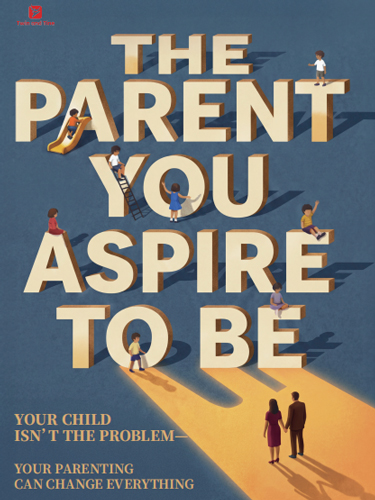
The Parent You Aspire to Be
Miles CarterPractical guidance for tantrums, backtalk, lying, screen addiction, emotional outbursts, and everyday parenting struggles.
What Makes The Parent You Aspire to Be Different?
One reason boundaries can be difficult to maintain is that they are connected to other parenting habits. A parent who constantly corrects a child may struggle to tolerate mistakes. A parent who overprotects may find it difficult to let a child experience frustration. A parent who reminds a child about every responsibility may feel compelled to manage every decision.
In The Parent You Aspire to Be, these challenges are part of a broader discussion of parenting behavior, including overcontrol, overprotection, constant correction, and excessive reminders. This wider perspective helps parents recognize that improving discipline is not just about finding better words to say when a child refuses to cooperate. It also involves changing the habits that make daily interactions tense in the first place.
The book encourages parents to provide guidance without taking over, maintain limits without unnecessary harshness, and give children room to learn through experience. These ideas work together: children need boundaries, but they also need opportunities to develop judgment, manage frustration, and gradually take more responsibility for their actions.
Build a Home With Both Structure and Understanding
Setting boundaries will not prevent every tantrum or disagreement. Children may still protest, test limits, and need repeated guidance as they grow. Progress comes from responding more consistently, not from expecting every interaction to go smoothly.
If you want to become a parent who can say no without yelling, hold boundaries without guilt, and guide behavior without relying on fear or control, The Parent You Aspire to Be offers a practical starting point. Its focus on firm kindness, emotional understanding, and giving children room to grow makes it especially relevant for parents who want to improve both discipline and their relationship with their children.
The goal is not to raise a child who never challenges a rule. It is to build a relationship in which boundaries are clear, emotions can be expressed safely, and parents can guide their children with both confidence and compassion.

