When money is tight, advice to simply save more or work harder can feel frustrating. Bills keep coming, debt takes up part of every paycheck, and even small unexpected expenses can throw your plans off track. You need more than general money advice. You need a better way to understand your finances and decide what to change.
These five books approach financial problems from different angles, including money mindset, debt, spending habits, and wealth building. Whether you’re struggling to make ends meet or trying to break a cycle of financial stress, they can help you find a starting point.
1. Rich Dad Poor Dad by Robert T. Kiyosaki
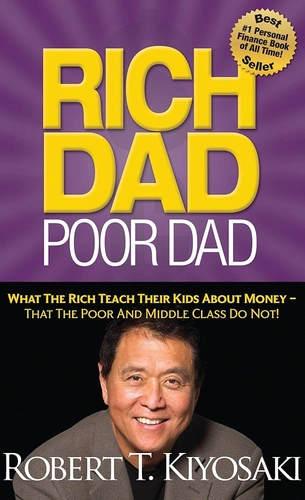
If you work hard but still feel financially stuck, this classic challenges the way you think about earning, spending, and building wealth. Robert Kiyosaki contrasts two different approaches to money and explains the importance of understanding assets, liabilities, and income beyond a regular paycheck.
It’s a useful starting point if you want to rethink your assumptions about money and understand why a steady income doesn’t always lead to financial security.
2. From Debt to Wealth by Owen Pierce
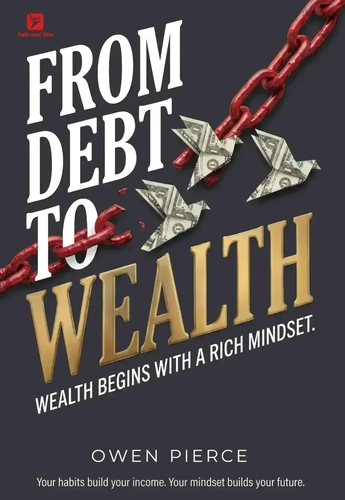
Best for people who earn money but struggle to get ahead financially.
Your paycheck arrives, the bills get paid, and there’s little left to show for another month of work. Even when your income increases, your financial situation may barely improve. If this cycle sounds familiar, the problem deserves a closer look.
From Debt to Wealth examines the money habits and assumptions that can keep people financially stuck. It covers debt, spending, income growth, valuable skills, and asset building, encouraging readers to look beyond their next paycheck and reconsider how they use their money.
Instead of focusing exclusively on cutting expenses, the book also looks at how your approach to earning, making financial decisions, and building long-term wealth can affect your progress.
Choose this book if you’re tired of working hard without seeing meaningful financial improvement and want to rethink what it takes to move forward.

From Debt to Wealth
Owen PierceYour paycheck comes in. The bills go out. And somehow, you’re back at zero again.
Learn why earning more does not always create financial progress—and what has to change before your money starts working differently.
3. The Automatic Millionaire by David Bach
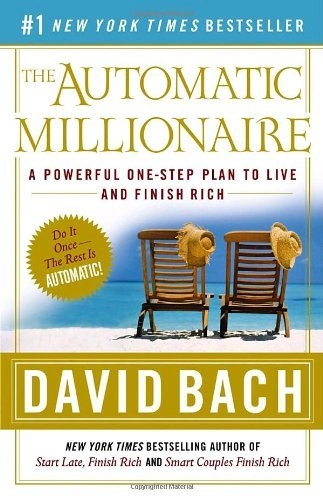
Best for people who struggle to save consistently.
You may intend to save every payday, only to spend the money on bills and everyday expenses before you get the chance. David Bach focuses on making saving and investing part of your financial routine through automation, so progress doesn’t depend entirely on willpower.
The book is especially relevant if you need a more consistent system for setting money aside and building toward long-term financial goals.
4. The Latte Factor by David Bach and John David Mann
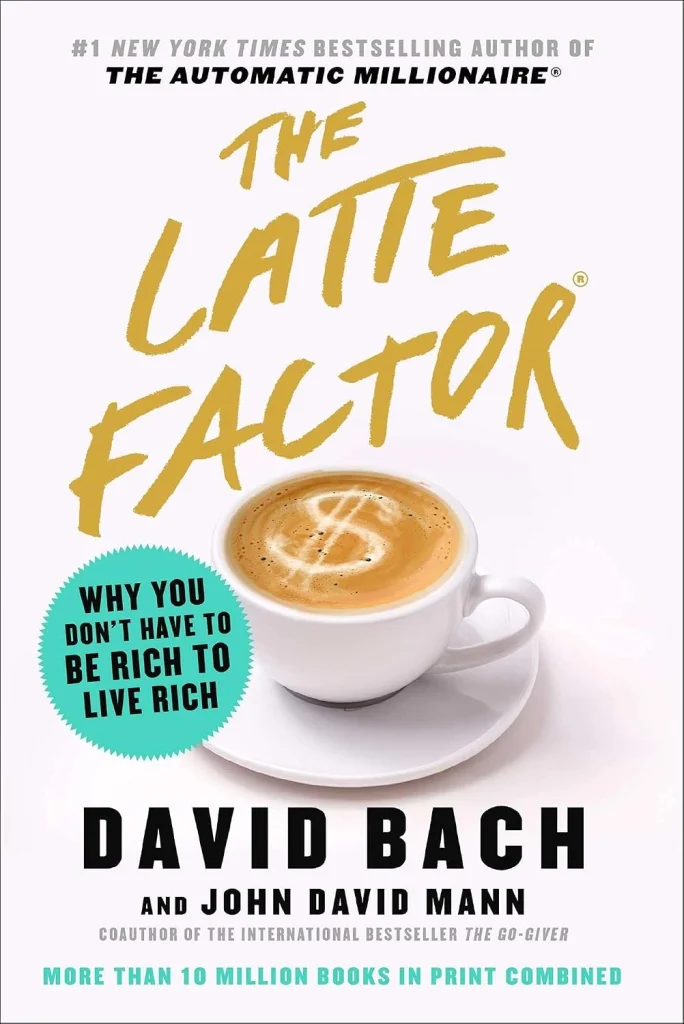
Best for people who feel they don’t earn enough to start saving.
When money is tight, saving can seem impossible. This book uses a story about an ordinary working woman struggling with debt and everyday expenses to illustrate how small financial choices can influence the future.
It encourages readers to examine their spending, recognize opportunities to save, and start taking action even when they don’t have a large income. It’s a good choice if you need a manageable first step rather than an overwhelming financial overhaul.
5. Think and Grow Rich by Napoleon Hill
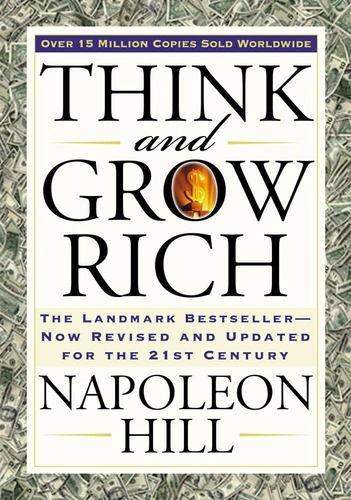
Best for readers who want to rethink their approach to financial success.
Sometimes financial difficulties are accompanied by uncertainty about what to do next, which opportunities to pursue, or how to turn an ambition into a concrete plan. Napoleon Hill focuses on desire, persistence, decision-making, and the mindset associated with pursuing success.
This is more of a motivational and goal-oriented read than a practical guide to budgeting or debt repayment. It may appeal to readers who want to reconsider their goals and approach to creating opportunities.
Which Book Should You Read First?
The best choice depends on what’s holding you back financially.
If you want to rethink how you view money, start with Rich Dad Poor Dad. If your biggest challenge is saving consistently, The Automatic Millionaire offers a more structured approach. And if you’re looking for motivation to pursue bigger financial goals, Think and Grow Rich may be worth exploring.
But if you’re earning money and still struggling to make meaningful progress, consider From Debt to Wealth. It addresses the connection between debt, spending, income, and wealth building, helping you examine why your current efforts may not be producing the results you want.
You don’t have to solve every financial problem at once. Start with the challenge that’s affecting you most, and choose a book that helps you take the next step.
Did this article help you see things differently? Our books turn helpful ideas into practical tools you can return to anytime.



Break the Anxiety Circle
$19.90
From Debt to Wealth
$19.90


