Some experiences end long before their emotional impact does. You may have moved on from a painful relationship or difficult period, yet certain memories still affect how you think, feel, and respond to others.
Clearing emotional baggage doesn’t mean forgetting what happened. It means understanding what you’re still carrying and learning how to move forward without letting the past shape every new experience.
Here are seven practical ways to begin.

1. Identify What Is Still Bothering You
Emotional baggage doesn’t always appear as sadness or anger. Sometimes, it shows up as distrust, defensiveness, guilt, or strong reactions to seemingly minor situations.
When something upsets you, pause and ask yourself:
- What exactly bothered me?
- Does this remind me of something that happened before?
- What am I afraid might happen again?
You don’t need to find an immediate answer. Start by noticing which memories, people, or experiences still affect you. Recognizing these connections helps you understand what needs your attention.
2. Stop Telling Yourself to Get Over It
Knowing something is over doesn’t mean you’re automatically free from its emotional impact.
You might criticize yourself for still feeling angry about an old argument or missing someone who hurt you. But judging your feelings won’t necessarily help you work through them.
Instead of asking, “Why can’t I move on?” try asking, “What am I still struggling to accept?”
Acknowledge the disappointment, regret, or resentment without treating it as a personal failure. Accepting a feeling doesn’t mean approving of what happened. It gives you a chance to understand it rather than continually fighting against it.
3. Write Down What You Cannot Easily Say
Some feelings remain confusing because you’ve never put them into words. You know something hurt, but you struggle to explain why. You remember what happened, but the things you wanted to say remain unspoken.
Writing can give these feelings a starting point.
Try answering a few questions:
- What do I wish I had said?
- What hurt me most about that experience?
- What did I need but never receive?
- What am I still finding difficult to let go of?
Write honestly without worrying about grammar or whether your thoughts make sense. You can even write a letter you never intend to send.
The goal isn’t to change the past. It’s to understand your feelings more clearly and give yourself room to express them.
4. Question the Beliefs You Developed After Being Hurt

A painful experience can influence how you see yourself long afterward.
Being rejected may leave you believing you’re not good enough. Being betrayed may make trusting others difficult. A past mistake may convince you that you always make the wrong decisions.
Ask yourself whether these beliefs reflect the whole truth or a conclusion you formed during a difficult time.
Write down what happened, what you came to believe because of it, and what you know today. Someone breaking your trust, for example, doesn’t prove that everyone will do the same.
You don’t have to force yourself to think positively. Simply allow yourself to consider a more balanced view of the experience.
5. Look at the Relationships You Still Carry With You
Some emotional baggage comes from relationships that never gave you the closure you wanted.
You may still wish someone understood how they hurt you, regret how a friendship ended, or feel responsible for keeping everyone around you happy.
Reflect on these questions:
- Which relationships still bring up strong emotions?
- Am I holding on to the person or the relationship I hoped we would have?
- What boundaries do I need now?
You may realize that what you miss is not necessarily the person, but the closeness, apology, or understanding you once wanted.
You don’t have to excuse someone’s behavior or force yourself to forgive them. You can acknowledge what happened and decide what you no longer want to carry into future relationships.
6. Stop Replaying the Same Memories Without Moving Forward
Revisiting the past can help you learn from it. Replaying the same painful scene without gaining a new perspective can leave you feeling stuck.
When you catch yourself repeatedly reconstructing an argument or imagining what you should have said, ask: Am I learning something new, or am I reliving the same feeling?
If there’s something useful to learn, write it down. Perhaps you recognize a boundary you need, a mistake you would handle differently, or a belief you no longer want to carry.
Then bring your attention back to the present. Take a walk, complete a small task, or talk to someone you trust.
A memory returning doesn’t mean you’ve failed to move forward. What matters is gradually learning that you can remember an experience without having to relive it every time.
7. Make Self-Reflection a Small, Regular Habit
You don’t have to work through your entire emotional history in one sitting. Trying to understand everything at once can feel overwhelming, especially when you don’t know where to begin.
Set aside a few minutes to write about whatever is on your mind. It could be a difficult memory, an unresolved feeling, a relationship, or something that made you unexpectedly happy.
You can also explore questions that help you understand yourself beyond your painful experiences:
- When do I feel most like myself?
- What do I wish people understood about me?
- What am I afraid to admit, even to myself?
- What small moment from today do I want to remember?
Self-reflection isn’t only about examining what went wrong. It can also help you recognize your values, preferences, relationships, and the experiences you want more of in your life.
When You Don’t Know What to Write, Start With a Guided Journal
Knowing you need to reflect is one thing. Sitting in front of a blank page and figuring out what to write is another.
You may have years of memories, complicated feelings, and things you’ve never said aloud, yet struggle to put any of them into words. Sometimes, what you need is not another piece of advice but a specific question that helps you begin.
That’s where 777 Little Moments in My Life by Grace Willow can help.

This guided journal contains 777 writing prompts covering emotional experiences, personal memories, relationships, creativity, and self-discovery. Instead of requiring you to come up with every question yourself, it offers different starting points for exploring your thoughts.
Inside, you’ll find prompts that encourage you to:
- Put old feelings into words: Reflect on painful memories, lingering hurt, and things you never got to say.
- Revisit your personal stories: Write letters to your younger self and imagine different endings to stories that stay with you.
- Understand your relationships: Explore love, friendship, trust, and the emotions connected to people who have shaped your life.
- Discover more about yourself: Examine your preferences, habits, private wishes, and the everyday moments that reveal who you are.
The journal covers five areas: Trauma & Healing, Imagination & Writing, Cognition & Preferences, Relationships & Emotions, and Life & Beauty.
You don’t need to complete the prompts in order or write long entries every day. Open to a question that speaks to you, write a few honest sentences, and continue whenever you’re ready.
Not every page has to focus on something painful, either. Some prompts invite you to explore your imagination, appreciate small moments, and recognize the parts of yourself that can get lost when you’re focused on the past.
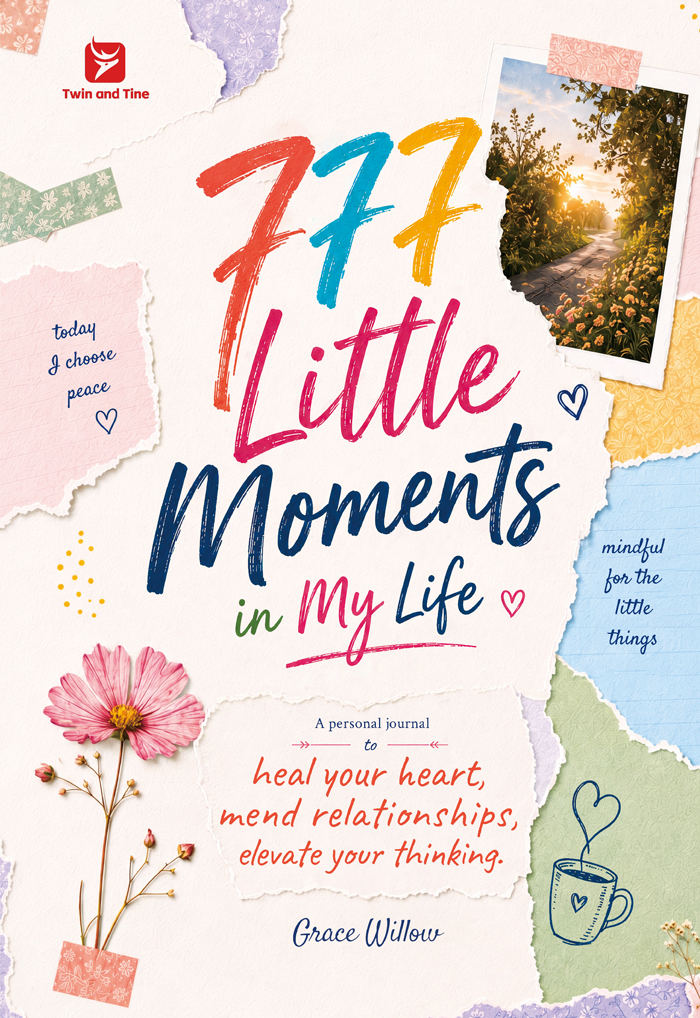
777 Little Moments in My Life
Grace Willow777 prompts to unpack old wounds, release buried emotions, and understand yourself more deeply.
Start Letting Go, One Thought at a Time
Clearing emotional baggage doesn’t require you to forget what happened, forgive everyone who hurt you, or resolve every difficult feeling immediately.
Start by recognizing what still affects you. Give yourself space to express it, question the beliefs you’ve carried forward, and notice the patterns you want to change.
Writing won’t erase the past, and some experiences may require support beyond journaling. But a simple question, answered honestly, can be a useful first step toward understanding yourself and moving forward.
Did this article help you see things differently? Our books turn helpful ideas into practical tools you can return to anytime.



Break the Anxiety Circle
$19.90

From Debt to Wealth
$19.90


