It was Christmas night, and the howling outside the farmhouse would not stop. Hal Borland went to the door with, I imagine, a certain reluctance. What stood there was not one dog. It was two: a half-starved black and white mutt and a puppy, both of them looking up as if the address had been written on the porch all along.
The dog who came to stay arrived without invitation, without a collar worth reading, and without any apparent doubt that he belonged. Who exactly was doing the adopting that night?
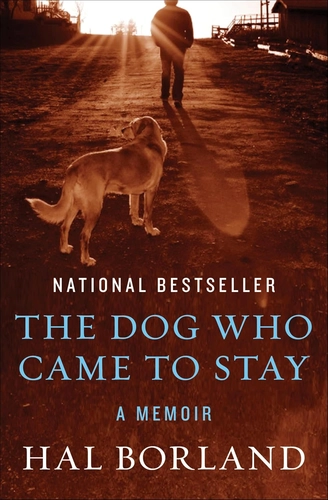
A Hound Named Pat, and the Man Who Thought He Was in Charge
The Borlands had moved from city life to a farm in the northwest corner of Connecticut, chasing quiet and land. They were not looking for a dog. Hal says so plainly, more than once, and I believed him. He is a man who prefers his mornings to run on schedule.
Then Mike went to a local boy who had lost his own dog, and Pat stayed. And something in the house shifted. Pat was, by any reasonable description, a hound with opinions. He hunted rabbits and woodchucks with a seriousness that bordered on professional. He patrolled the property like a sheriff with a badge nobody had approved. Trespassing dogs were seen off. Poachers got the message.
Borland follows him through gunshot wounds, traps, long disappearances that leave the house too quiet. I’ll be honest, there were stretches where I wanted to shake the man. Let a dog roam that freely and the vet bills write themselves. The book knows this. It simply refuses to apologize for a time when a farm dog’s life was measured in miles, not fences.
What holds you is the slow thaw in the narrator. He begins as a skeptic with a notebook and ends as a man who understands he has been studied, judged, and accepted by something with four legs and a stubborn streak.

The Fields Are the Other Main Character
Borland was a nature writer before he was a dog writer, and it shows in every paragraph about weather, birds, the river, the way woodchucks ruin a garden with what looks like personal spite.
Pat is the lens, not the subject alone. Through his nose and his ranging, we get the valley in all four seasons, and the writing never strains for poetry. It just looks closely. A lesser book would have made this sentimental. Borland keeps his hand steady, and the restraint is what moved me.
I grew up with a dog who treated our street as her personal jurisdiction. Reading about Pat’s patrols, I felt that old mix of pride and worry, the same knot in my stomach when she slipped the gate. That recognition is the trust channel of this memoir. You don’t need a farm to feel it.
The unease is real too. The female dog in the story gets short shrift, and a few readers have said so. The hunting sits uneasily with modern sensibilities. I winced more than once.
What This Book Will and Won’t Do for You
This is one of the better dog memoirs I have read, and its strength is that it never begs you to cry. Borland writes with dry humor and a naturalist’s patience, and the bond arrives gradually, the way real ones do.
It is not for everyone. If hunting scenes bother you, or if you cannot accept a 1960s farm ethos where dogs run loose and take their chances, this will frustrate you. If you want a city dog story with leashes and vet appointments, look elsewhere. But if you have ever been chosen by an animal and quietly reorganized your life around it, this book will land.
It won’t teach you how to train a dog. It might make you less certain about who rescued whom in your own house. That uncertainty, I think, is the point. So when a stray turns up at your door some cold night, how sure are you that you are the one deciding?

