If you have ever wondered why you get hurt so easily in relationships, even small things may feel surprisingly painful. Someone replies differently than usual. A partner cancels plans. A friend makes a careless comment. You know the situation may not be a big deal, yet you keep thinking about it long after it happens.
You might tell yourself to stop being so sensitive or wonder why other people seem to move on more easily. But repeated emotional pain can have several causes, from past experiences and unmet expectations to difficulty setting boundaries or expressing what you need.
Understanding these patterns can help you respond to relationship problems with greater clarity, instead of blaming yourself every time something hurts.

Why Do I Get Hurt So Easily in Relationships?
Getting hurt easily does not automatically mean you are too sensitive. Sometimes, your reaction is connected to something deeper than the immediate situation. Here are four patterns that may help explain what you are experiencing.
1. Past Experiences Still Influence Your Reactions
A disappointing experience in the present can bring up feelings associated with an earlier one.
For example, a partner canceling plans might remind you of previous relationships in which you felt unimportant. A short reply might leave you wondering whether someone is losing interest. Even mild criticism can feel deeply personal if you have spent years worrying about disappointing others.
Your reaction may reflect both what happened today and what similar experiences have meant to you in the past.
Recognizing this connection gives you an opportunity to separate the current situation from earlier experiences. Instead of immediately assuming that someone is rejecting you, you can consider what you know about the situation and what you might be interpreting through the lens of past hurt.
2. You Measure Your Worth Through Other People’s Attention
When approval has played a major role in your relationships, changes in other people’s attention can feel like a judgment of your value.
You may go out of your way to help, remember every detail, make compromises, and anticipate what others need. When that effort is not returned, disappointment can quickly turn into a feeling of rejection.
The difficulty becomes greater when you rely on being useful, agreeable, or constantly available to feel valued. A person who is busy, distracted, or less expressive than you might expect can leave you questioning whether you matter to them.
Healthy relationships involve care and mutual effort, but your worth does not have to depend on how frequently someone responds, how much they need you, or how well you meet their expectations.
Learning to recognize this distinction can help you approach relationships without treating every change in attention as a personal verdict.

3. You Struggle to Set Emotional Boundaries
Some people are highly attentive to the moods and reactions of those around them. They notice subtle changes in tone, sense tension quickly, and feel uncomfortable when someone they care about is unhappy.
That awareness can support close relationships. However, without clear boundaries, it can also leave you feeling responsible for emotions and problems that are not yours to solve.
You might replay a conversation because someone seemed upset, apologize simply to restore peace, or agree to something you do not want because saying no feels uncomfortable.
Over time, this habit can create emotional exhaustion. You spend so much energy managing other people’s reactions that your own needs become harder to recognize.
Healthy boundaries help you distinguish between caring about someone and taking responsibility for everything they feel. You can listen without fixing every problem, disagree without assuming the relationship is in danger, and say no without treating it as a personal failure.
4. You Depend on Relationships for a Sense of Security
Wanting reassurance and consistency from someone you love is natural. Trust develops through reliability, honest communication, and mutual care.
However, if earlier experiences have made relationships feel unpredictable, uncertainty may become especially difficult to tolerate.
A delayed response might lead to hours of overthinking. A disagreement might make you fear that the relationship is falling apart. When someone needs space, you might struggle to focus on anything else until you feel reassured.
These reactions can become exhausting, particularly when your mind fills gaps in information with the most painful explanation.
Building a stronger sense of emotional security does not mean learning to need nobody. It means developing ways to manage uncertainty, communicate your needs, and evaluate a relationship based on consistent behavior rather than a single uncomfortable moment.
It also means recognizing when your distress reflects an old fear and when another person’s actual behavior deserves your attention.
Why Do You Keep Getting Hurt in Relationships?
Recognizing these patterns is useful, but understanding them does not always make the feelings disappear.
You might know that a delayed reply does not necessarily mean rejection and still find yourself checking your phone repeatedly. You might recognize that you are overextending yourself for someone and still struggle to say no the next time.
This happens partly because emotional reactions can become familiar habits. Certain situations prompt familiar interpretations, which lead to familiar feelings and responses. The more often this sequence occurs, the easier it can be to repeat without examining what is happening.
Trying to force yourself to stop caring rarely provides a lasting solution. It is more useful to slow down and ask a few questions:
- What exactly happened, and what am I assuming it means?
- Which part of this situation hurts the most?
- Am I responding to this person’s behavior, an earlier experience, or both?
- What do I need right now, and how can I express that need clearly?
These questions help turn a vague sense of hurt into something you can examine. You may discover that you need a direct conversation, a clearer boundary, more realistic expectations, or time to process an experience that still affects you.
The goal is not to become emotionally unaffected by other people. It is to understand your reactions well enough to make choices that support your well-being.
How 777 Little Moments in My Life Can Help You Understand Your Emotions
When the same feelings keep appearing in different relationships, it can be difficult to understand what connects them. You may remember the arguments and disappointments but struggle to explain why certain moments affect you so deeply.
777 Little Moments in My Life by Grace Willow offers 777 writing prompts for reflection, emotional release, and self-discovery. It gives you a structured way to explore personal experiences, put difficult feelings into words, and notice patterns that may otherwise remain buried beneath everyday distractions.
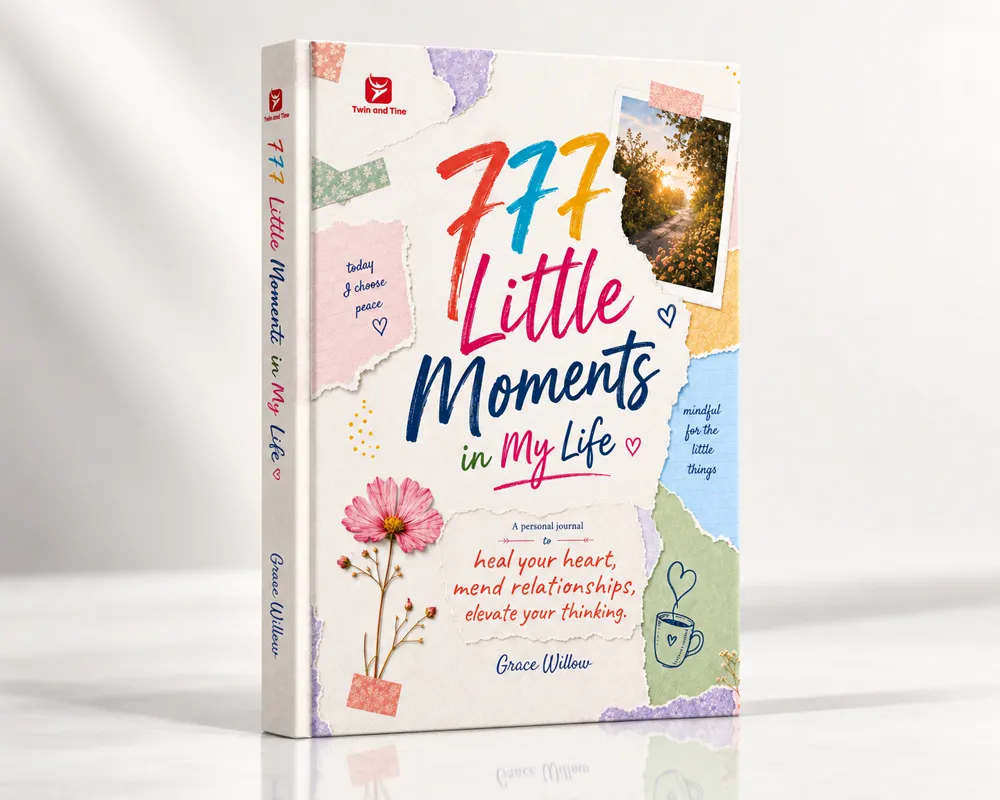
You can use the prompts to reflect on a conversation you cannot stop replaying, an expectation you never expressed, or a moment when you ignored your own needs to keep someone else happy. Writing allows you to examine these experiences at your own pace, without needing to reach an immediate conclusion.
Over time, this practice may help you recognize what tends to trigger your reactions, which relationship patterns leave you feeling drained, and where you want to make different choices.
The journal is especially relevant if you often find yourself:
- Replaying conversations long after they end.
- Struggling to let go of disappointment or criticism.
- Putting other people’s needs ahead of your own.
- Finding it difficult to explain what you feel or need.
- Looking for a more structured way to reflect on your experiences.
Rather than offering a fixed explanation for every emotional reaction, the journal gives you room to examine your own story. You can work through the prompts gradually and return to them whenever you want to reflect on a new experience.
You do not need to have your feelings figured out before you begin. Sometimes, putting an experience into words is the first step toward understanding what happened, why it mattered to you, and what you want to do differently next time.
If you are tired of repeating the same emotional patterns without understanding them, 777 Little Moments in My Life offers a practical starting point for deeper personal reflection.
Start Understanding the Patterns Behind Your Relationships
Getting hurt easily in relationships can have many causes. Past experiences may influence your expectations, the need for approval may affect your sense of worth, and unclear boundaries may leave you carrying more emotional responsibility than you can manage.
You do not have to dismiss your feelings or blame yourself for having them. What matters is learning to understand your reactions, recognize your needs, and decide how you want to respond.
777 Little Moments in My Life by Grace Willow offers 777 prompts to help you reflect on your experiences, release difficult emotions through writing, and develop a deeper understanding of yourself.
If you want a dedicated space to explore the feelings and relationship patterns you have struggled to put into words, this journal is a place to begin.
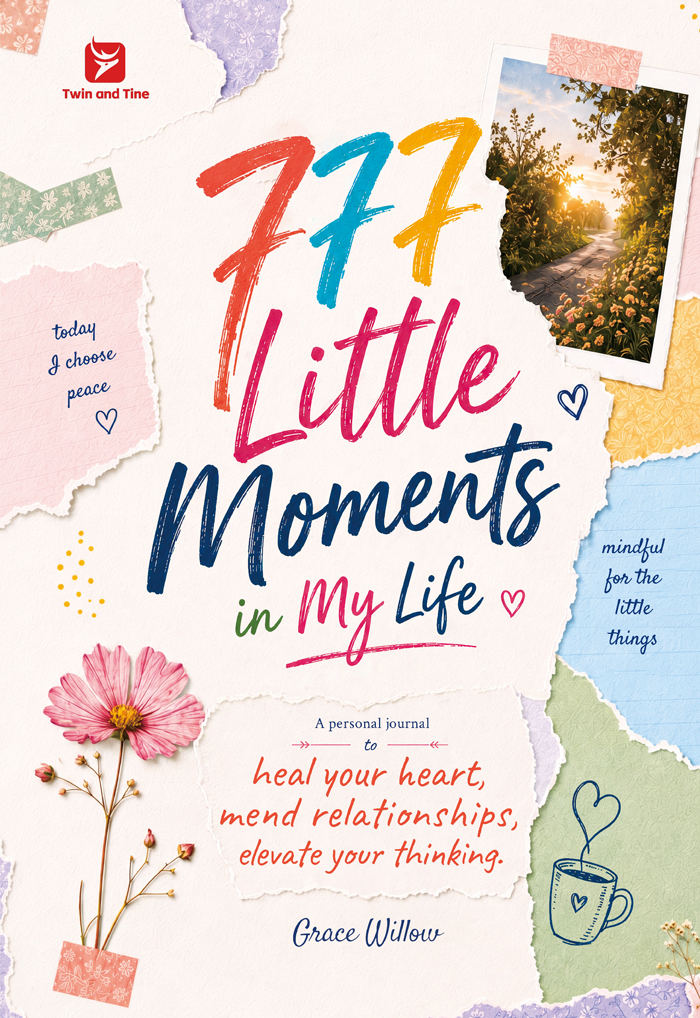
777 Little Moments in My Life
Grace Willow777 prompts to unpack old wounds, release buried emotions, and understand yourself more deeply.
FAQ: Getting Hurt Easily in Relationships
Why do small things hurt me so much in relationships?
Small incidents can carry meanings beyond what happened in the moment. Previous disappointments, fear of rejection, unmet expectations, or uncertainty about a relationship may intensify your reaction. Looking at both the situation and your interpretation of it can help you understand why it feels so painful.
Does getting hurt easily mean I am too sensitive?
No. Sensitivity alone does not mean something is wrong with you. However, if your reactions regularly leave you overwhelmed, examining your expectations, emotional boundaries, and past experiences may help you respond more comfortably.
How can I stop getting hurt by other people’s behavior?
You cannot control how other people behave, but you can learn to distinguish facts from assumptions, communicate your needs, establish boundaries, and give yourself time before reacting. It is also important to recognize when repeated hurt reflects genuinely disrespectful or unhealthy behavior that needs to be addressed.
Can journaling help with relationship-related emotions?
Journaling can help you organize your thoughts, identify recurring emotional triggers, and reflect on experiences that are difficult to process. It is not a guaranteed solution, but regular writing can give you a clearer view of your feelings and the choices available to you.
Did this article help you see things differently? Our books turn helpful ideas into practical tools you can return to anytime.



Break the Anxiety Circle
$19.90

From Debt to Wealth
$19.90


