Some people seem to make conversation effortlessly. They know how to keep a discussion going, respond without making things awkward, and disagree without turning a small difference of opinion into an argument. Meanwhile, you might spend the drive home thinking about a conversation that lasted only five minutes, wondering whether you sounded uninterested, talked too much, or missed an opportunity to say something important.
Good communication is not an inborn talent reserved for naturally outgoing people. Much of it comes down to learnable habits: paying attention to what someone means, choosing words that fit the situation, and knowing when to speak directly instead of hoping the other person will understand your intentions. The following books approach these skills from different angles, whether you want to feel more comfortable socially or become more effective in professional and personal conversations.
1. How to Win Friends and Influence People by Dale Carnegie
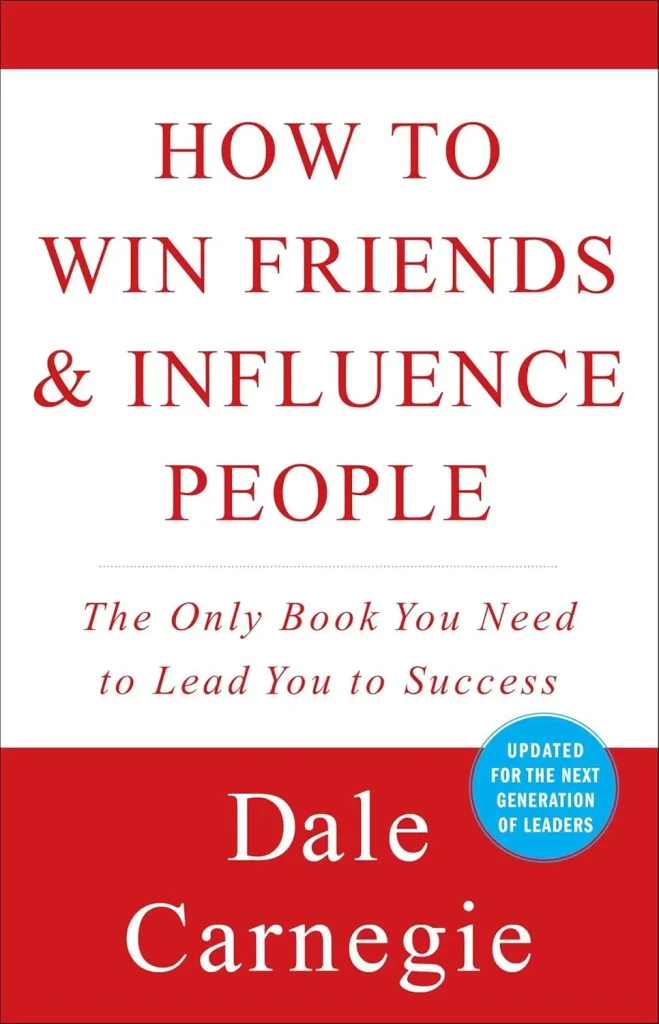
A conversation becomes easier when both people feel that their presence and opinions matter. That sounds obvious, but it is easy to forget when you are nervous about making a good impression. You might focus on telling an interesting story, proving your point, or thinking of the next question instead of paying attention to the person in front of you.
Dale Carnegie’s classic explores the everyday behaviors that help people build trust and positive relationships. Its lessons include showing genuine interest, listening without unnecessary interruption, and approaching disagreements without making the other person feel attacked. These principles can be applied to everything from meeting someone for the first time to building stronger relationships with colleagues.
One reason the book remains useful is that it shifts attention away from trying to appear impressive. You do not need to be the funniest person in the room or have an answer for everything. Remembering details, asking thoughtful questions, and treating people with consideration can make a conversation more enjoyable for everyone involved.
A good choice if: You want to feel more comfortable around new people, build professional relationships, and develop a more natural way of connecting with others.
2. Say It Right Every Time by Miles Carter
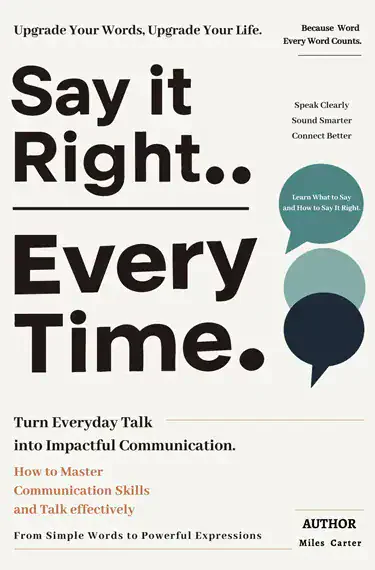
You know you should speak up when something bothers you, but the actual words are another matter. Telling a coworker that their behavior is affecting your work can feel confrontational. Asking a friend to stop making a particular joke may leave you worrying about hurting their feelings. Even a simple refusal can turn into a long explanation because you want to make sure nobody thinks badly of you.
Say It Right Every Time focuses on the practical side of these moments. Miles Carter covers 115 communication scripts and 15 frameworks for expressing opinions, making requests, setting boundaries, disagreeing respectfully, and responding calmly under pressure. The book also addresses people-pleasing and the difficulty of communicating with both confidence and consideration.
The value of having example wording is that it gives you something concrete to work with. Instead of trying to invent the perfect response while emotions are running high, you can learn a useful structure and adapt it to the situation. For example, a conversation about an unwanted request might begin with a clear refusal and a brief explanation, rather than a string of apologies that makes your decision sound negotiable.

Say it Right..Every Time.
Miles CarterPractical communication tools for the moments that matter — say what you mean, calmly and confidently.
Of course, effective communication is not about memorizing sentences and repeating them mechanically. The point is to understand why certain approaches work, then use that knowledge to find words that sound like you. This is especially helpful for people who know what they think but struggle to communicate it clearly when the stakes feel personal.
A good choice if: You often overexplain, struggle to say no, avoid disagreements, or wish you had better words for uncomfortable conversations.
3. You’re Not Listening: What You’re Missing and Why It Matters by Kate Murphy
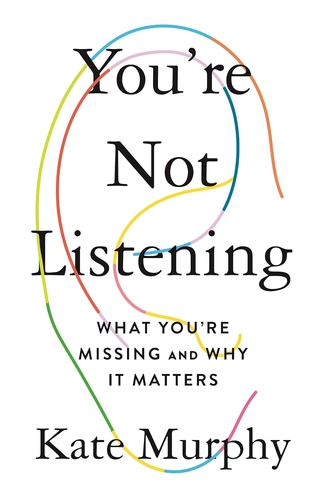
Think about the last time you told someone a story and they immediately interrupted to talk about their own experience. They may have meant to relate to you, but the conversation suddenly became about them. Moments like this reveal why listening is more complicated than simply staying quiet while another person speaks.
Kate Murphy examines how listening shapes our relationships and why people often fail to give conversations their full attention. Distractions, assumptions, impatience, and the urge to prepare a response can all prevent us from understanding what someone is trying to communicate. The book encourages readers to become more curious about others instead of treating every exchange as an opportunity to contribute their own opinion.
Better listening can also make you a more interesting conversationalist. When you pick up on a detail and ask a relevant follow-up question, the discussion can develop naturally without you needing to come up with a new topic every few seconds. It also helps you notice when someone is expressing a concern indirectly rather than stating it outright.
A good choice if: You sometimes interrupt, find it difficult to stay engaged, or want conversations to feel more balanced and less superficial.
4. The Fine Art of Small Talk by Debra Fine
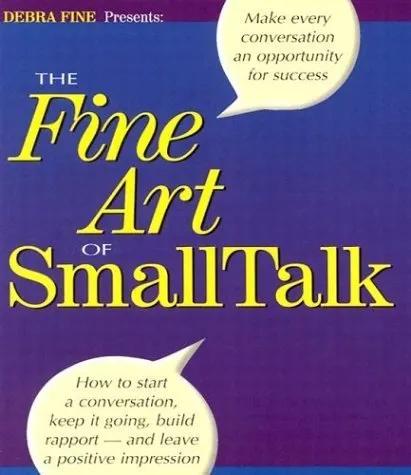
Walking into a gathering where you know almost nobody can make even a confident person feel slightly uncomfortable. You exchange names, ask what someone does for work, and then reach the familiar pause when neither person knows what to say next. The temptation is to check your phone or wait for someone else to rescue the conversation.
Debra Fine’s book tackles these everyday social situations directly. It offers advice on opening conversations, asking questions that invite more than a yes-or-no answer, introducing yourself, and moving from one subject to another without making the exchange feel forced. The focus is on manageable techniques rather than expecting readers to become naturally charismatic overnight.
One useful lesson is that small talk does not need to be especially clever to serve its purpose. A casual observation about the event, a question about how someone knows the host, or a genuine follow-up to something they mention can provide enough material to get a discussion started. Once both people feel more comfortable, the conversation can gradually become more personal.
The book is particularly relevant for networking, social events, meeting new colleagues, and other situations where you want to connect with people but do not yet have much shared context.
A good choice if: Starting conversations feels harder than continuing them, or you tend to avoid social opportunities because you dislike awkward silences.
5. Crucial Conversations: Tools for Talking When Stakes Are High by Kerry Patterson, Joseph Grenny, Ron McMillan, Al Switzler, and Emily Gregory
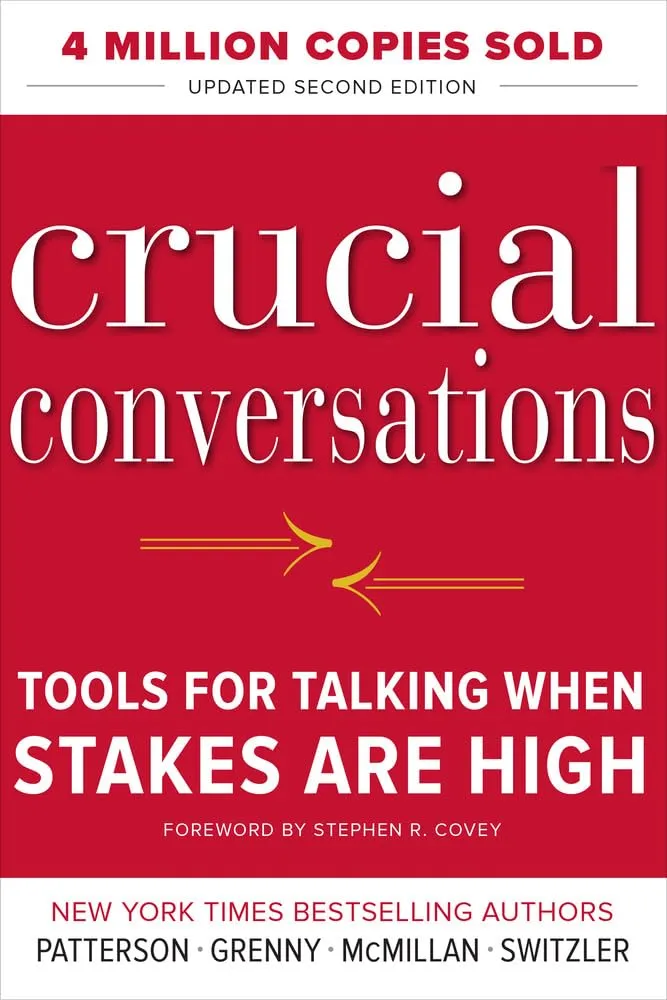
Not every conversation can be handled with a friendly question or a carefully chosen opening line. Sometimes you need to tell a colleague that a project is falling behind, address a recurring problem with your partner, or explain why a decision has upset you. The difficulty is that these discussions often matter precisely because emotions and consequences are involved.
Crucial Conversations focuses on situations where opinions differ, emotions run high, and the outcome matters. It explores how to communicate concerns without turning the other person into an opponent, how to keep a discussion productive when people become defensive, and how to create room for different perspectives.
The book is useful for people who tend toward one of two extremes: avoiding difficult subjects until the problem becomes impossible to ignore, or confronting the issue so forcefully that the original message gets lost in the conflict. Learning to separate what happened from the assumptions you have made about it can help you explain your concerns more fairly.
You may not always reach an agreement, but a better conversation gives both people a clearer understanding of the disagreement and a better chance of deciding what to do next.
A good choice if: You need to discuss sensitive subjects, give difficult feedback, or disagree with someone without damaging the relationship.
Which Communication Skill Would Make the Biggest Difference?
Rather than reading every book at once, start with the kind of conversation you find most difficult. If you feel awkward meeting people, practice opening and extending discussions. If you struggle to express your needs, focus on direct wording. And if conversations often become tense, learning to handle disagreement may have a greater impact than improving your small talk.
- For social confidence: Start with The Fine Art of Small Talk.
- For stronger relationships: Try How to Win Friends and Influence People.
- For clear expression and boundaries: Choose Say It Right Every Time.
- For more attentive listening: Read You’re Not Listening.
- For difficult discussions: Begin with Crucial Conversations.
You do not have to change everything about the way you communicate. Choose one habit to practice during the coming week. Ask a follow-up question instead of immediately sharing your own story, state a preference without apologizing for it, or give yourself a moment to think before responding to criticism. These small adjustments can make a noticeable difference when repeated over time.
Better Conversations Start with Better Habits
There is no single script that works for every personality or situation. A relaxed conversation with a friend calls for a different approach from a disagreement with a manager, and a good listener will sometimes need to speak more directly rather than simply keep asking questions. Communication improves when you learn to recognize these differences and respond accordingly.
If you want practical help with the words themselves, Say It Right Every Time by Miles Carter is a useful place to start. Its scripts and frameworks address everyday challenges such as expressing opinions, making requests, handling disagreements, and setting boundaries without unnecessary hostility. The more you practice these skills, the less time you may spend rehearsing conversations in your head and the more comfortably you can participate in them.
Did this article help you see things differently? Our books turn helpful ideas into practical tools you can return to anytime.



Imagine The Other Half
$24.99

