Wealth can mean different things at different stages of life. For some people, the biggest question is how to get beyond living paycheck to paycheck. Others want to understand how investments grow, how business owners build valuable assets, or how to make financial progress without giving up the life they want to enjoy.
The most useful wealth books don’t all offer the same answer. Some focus on creating income, others examine the financial habits that help money accumulate, and some explore how to invest or use wealth over time. This list brings together ten books with different perspectives, so you can find one that speaks to the financial questions on your mind.
Building Wealth From Where You Are
1. The Millionaire Fastlane by MJ DeMarco

For readers curious about how businesses can create wealth beyond a paycheck.
A salary usually depends on the time and work you exchange for it. Business ownership raises a different question: can a product, service, or system create value on a scale that doesn’t depend entirely on your personal working hours?
In The Millionaire Fastlane, MJ DeMarco challenges conventional ideas about getting wealthy slowly through a traditional career and retirement plan. He emphasizes entrepreneurship, scalable business models, and building something that can serve a market beyond the owner’s individual effort.
This book is especially relevant if you’re curious about the relationship between business ownership and wealth creation. Its approach is ambitious, and its claims are worth evaluating critically, but it offers a distinct perspective from books focused mainly on budgeting and saving.
2. From Debt to Wealth by Owen Pierce
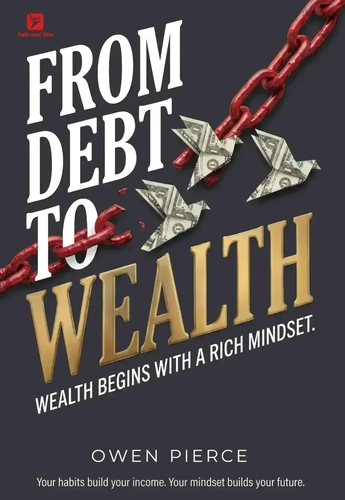
For readers trying to understand why earning money doesn’t always lead to financial progress.
Your income may have increased, yet your savings still feel small. Monthly expenses absorb much of what comes in, debt limits what you can do next, and building assets can seem like a distant goal. When these pressures overlap, it’s difficult to see how your financial situation might change over time.
From Debt to Wealth looks at the connections between income, spending, debt, savings, and asset building. Rather than treating each issue as a separate financial problem, it considers how these parts of your money situation fit together.
This book is a relevant choice if you’re looking for a clearer picture of your current finances and how they relate to long-term wealth. It focuses on the transition from managing immediate financial pressures to thinking more broadly about financial stability and asset accumulation.

From Debt to Wealth
Owen PierceYour paycheck comes in. The bills go out. And somehow, you’re back at zero again.
Learn why earning more does not always create financial progress—and what has to change before your money starts working differently.
3. Financial Freedom by Grant Sabatier
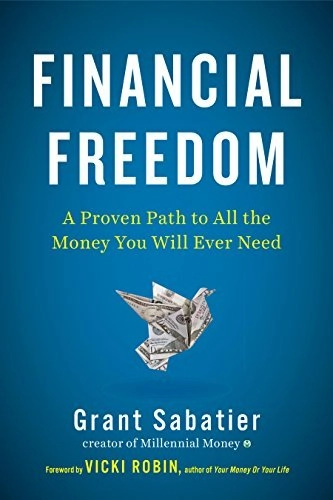
For readers interested in how much money and time they need to gain more freedom.
What would financial independence look like if you could make more choices about how you spend your time? For some people, the goal is retiring early. For others, it’s having enough financial flexibility to change careers, work less, or pursue something outside their current job.
Grant Sabatier draws on his own financial independence journey to discuss increasing income, saving, investing, and calculating how much money may be needed to support different lifestyles. The book approaches wealth as a way to expand your options, rather than simply reaching a particular account balance.
It’s worth considering if you’re interested in the connection between financial planning and personal freedom, especially if you want to understand how income, savings, and time work together.
Understanding the Habits Behind Wealth
4. The Index Card by Helaine Olen and Harold Pollack
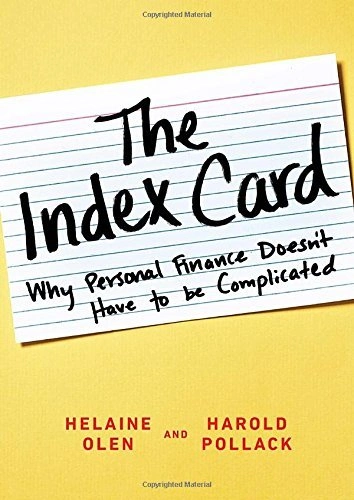
For readers who want a simpler framework for everyday financial decisions.
Personal finance can seem unnecessarily complicated when every article recommends a different strategy, account, or product. It can be hard to tell which principles matter most and which details can wait.
The Index Card distills a range of personal finance ideas into a set of straightforward guidelines. It covers subjects such as saving, debt, retirement accounts, insurance, and investing, with an emphasis on making financial decisions more manageable.
This book is useful if you’re looking for a broad foundation rather than an elaborate wealth-building system. Its appeal lies in helping readers organize the basics before getting lost in the details.
5. The Behavioral Investor by Daniel Crosby
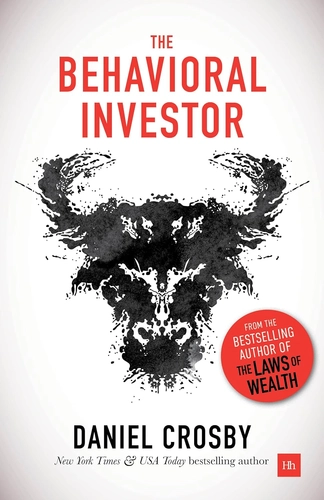
For readers interested in how human behavior affects investment decisions.
Investment decisions aren’t made in a vacuum. Market excitement, fear of losses, social pressure, and the urge to follow a popular trend can all influence how people respond to financial opportunities.
In The Behavioral Investor, psychologist and investment expert Daniel Crosby examines the psychological forces that affect investing. He explores how cognitive biases, emotional reactions, and social influences can interfere with financial judgment.
This book offers a different angle on wealth: not simply which investments to choose, but how the person making those decisions can influence the outcome. It’s particularly relevant for readers who want to understand the behavioral side of managing and growing investment assets.
Making Money Work Over Time
6. The Little Book of Common Sense Investing by John C. Bogle
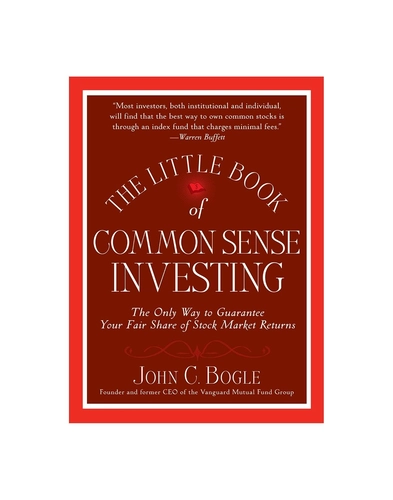
For readers who want to understand long-term investing without chasing every market trend.
Once you have money to invest, another question appears: how much complexity does your investment strategy actually need? There are countless funds, market predictions, and investment approaches competing for attention.
John C. Bogle makes the case for low-cost index fund investing and explains why fees, diversification, and long-term participation in the market matter. Rather than encouraging frequent trading or attempts to predict every market move, the book focuses on a straightforward investment philosophy.
It’s a strong option for readers who want to understand the basic logic behind index investing and how investment costs can affect long-term results. The focus is narrower than a general wealth book, but that makes it particularly useful for this specific question.
7. The Book on Rental Property Investing by Brandon Turner
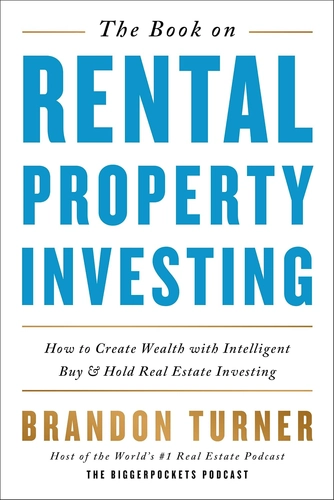
For readers curious about building wealth through real estate.
Property can generate rental income and may appreciate in value, but owning real estate also involves expenses, financing, maintenance, vacancies, and ongoing management. The financial picture is more involved than simply collecting rent.
Brandon Turner’s book introduces the practical considerations behind rental property investing, including finding potential deals, evaluating properties, financing purchases, and managing investments. It gives readers a more concrete view of what property ownership can involve.
If real estate interests you as a possible route to wealth, this book provides a starting point for understanding the work and financial decisions behind it. The examples are particularly relevant to readers exploring the U.S. rental property market.
Building Wealth Through Business
8. The E-Myth Revisited by Michael E. Gerber
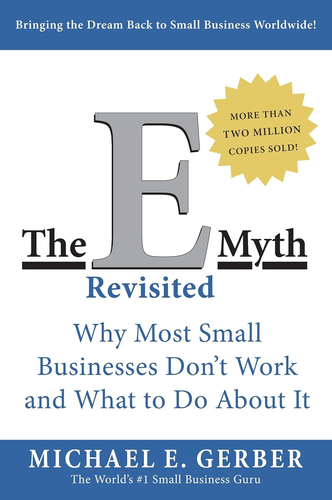
For readers who want to understand why owning a business isn’t the same as building one that can grow.
A business may generate revenue while still depending heavily on its owner’s time and attention. When every important task requires the owner to step in, growth can become difficult and the business may offer less freedom than expected.
In The E-Myth Revisited, Michael E. Gerber examines the difference between being skilled at a particular trade and building a business with repeatable systems. He emphasizes the roles, processes, and structures that help a business operate more consistently.
This book is relevant for readers who see entrepreneurship as part of their wealth-building plans. It focuses on the business itself as an asset and the organizational decisions that can influence whether it remains dependent on one person.
Deciding What Wealth Is For
9. Die with Zero by Bill Perkins
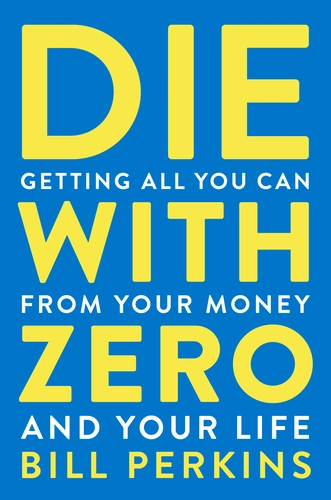
For readers thinking about how to balance accumulating wealth with enjoying life.
Saving for the future can provide security, but it also raises a personal question: how much should you set aside, and how much should you use while you have the time and ability to enjoy it?
Bill Perkins challenges the assumption that accumulating the largest possible balance should always be the main financial objective. He discusses spending, life experiences, timing, and the relationship between money and the different stages of life.
This book offers a different perspective from titles focused on maximizing wealth. It’s particularly relevant if you’re interested in financial independence but also want to consider how money can support experiences, relationships, and personal priorities along the way.
10. The Art of Money by Bari Tessler
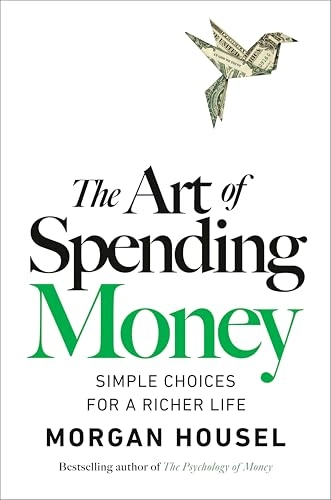
For readers who want to explore their emotional relationship with money.
Financial decisions can carry feelings that go beyond the numbers. Spending may bring comfort, saving may provide reassurance, and looking at an account balance may bring up anxiety or uncertainty. These experiences can affect how people manage their money, even when they understand the practical basics.
Bari Tessler combines financial organization with emotional awareness and personal reflection. The Art of Money encourages readers to examine their money histories, become more comfortable with financial tasks, and develop a more intentional relationship with their finances.
This book is a useful addition to a wealth reading list because it considers the personal side of financial life. It may appeal to readers who want their financial decisions to feel more manageable and aligned with their values, rather than driven entirely by stress or habit.
Which Wealth Book Fits Your Current Goals?
The most relevant book depends on the financial question you’re trying to answer.
- If you’re trying to move beyond financial strain: From Debt to Wealth focuses on how income, debt, spending, saving, and assets connect.
- If you’re curious about creating wealth through business: The Millionaire Fastlane and The E-Myth Revisited examine entrepreneurship from different angles, from scalable business models to the systems that support a growing company.
- If you want to understand investing: The Little Book of Common Sense Investing focuses on index investing, while The Behavioral Investor examines the psychology behind investment decisions.
- If you want more financial flexibility: Financial Freedom looks at the connection between money and time, while Die with Zero considers how to balance saving with using wealth throughout life.
- If you want a clearer relationship with money: The Index Card offers a simple financial framework, and The Art of Money explores the emotional side of managing finances.
Wealth doesn’t follow a single path, and the questions that matter most can change as your circumstances change. These books offer different perspectives on creating, managing, growing, and using money. Choosing one that matches your current interests can make the subject more relevant to your own life.
Did this article help you see things differently? Our books turn helpful ideas into practical tools you can return to anytime.



Break the Anxiety Circle
$19.90
From Debt to Wealth
$19.90


