You open a notebook. You stare at the blank page. You wait for something meaningful to arrive—a profound thought, a clear memory, a feeling you can finally name. And then nothing comes.
If this sounds familiar, you are not alone. Many people want to journal. Few know where to begin. The advice is always the same: just write. But what, exactly? And how do you start when your mind feels like a hallway with all the doors closed?
The truth is that you do not need a dramatic life to have something worth writing about. You just need a way to notice what is already there.
Why the Blank Page Feels Intimidating
A blank page is not empty. It is full of expectations.
You might believe that journaling requires a big revelation, a painful confession, or a beautifully crafted entry. You might think that if you do not have something important to say, it is not worth saying at all.
But journaling is not a performance. It is a practice. And like any practice, it becomes easier when you stop waiting for the perfect moment and start with something small.

What to Write About in a Journal: 4 Starting Points
1. Write About What You Noticed Today
You do not need to analyze your childhood or solve a problem. Start with what you saw, heard, or felt in the last twenty-four hours.
A conversation that stayed with you. A song that caught you off guard. A moment of irritation you cannot explain. A small kindness you almost missed.
These details may seem ordinary. But when you write them down, they become something else: evidence of a life being lived. And over time, patterns start to emerge—things that matter to you, things that drain you, things you want more of.
2. Write About What You Avoid
Most people have a list of thoughts they do not want to think about. A conversation they keep postponing. A feeling they keep swallowing. A memory they keep walking around.
You do not have to dive into the deepest one first. Start with something small. What is one thing you have been avoiding? Why do you think you are avoiding it? What would happen if you looked at it directly?
You do not have to solve it. You just have to write it down.
3. Write About the People Who Shaped You
Not the whole story. Not a full biography. Just a moment. A sentence someone said that you never forgot. A look on someone’s face. A day that changed how you saw yourself.
Writing about other people often reveals more about you than writing about yourself directly. It shows you what you value, what you fear, what you have forgiven, and what you are still carrying.
4. Write Without Knowing Where It Will Go
Sometimes the best entries start with a single sentence and no plan. You write one line. Then another. You follow the thought wherever it leads. And by the end, you have discovered something you did not know was there.
This is not about being a good writer. It is about being a willing one.
And this is exactly what 777 Little Moments in My Life by Grace Willow was designed to help you do.
How 777 Little Moments in My Life Helps You Find What to Write
Most journaling advice tells you to just start. 777 Little Moments in My Life gives you somewhere to start.
This is not a blank notebook with a beautiful cover. It is a guided journal built around 777 prompts that help you unpack old wounds, release buried emotions, and understand yourself more deeply. Each prompt is designed to meet you where you are—not where you think you should be.

The journal does not ask you to perform. It does not ask you to be profound. It asks you to be honest.
The prompts are organized around the parts of life that shape us most: the memories we carry, the stories we tell ourselves, the people who left marks, the small details that make us who we are, and the ordinary moments that hold more meaning than we realize.
You do not have to follow the journal in order. You do not have to write every day. You can open to any page, any prompt, and begin. Some prompts will feel easy. Some will feel uncomfortable. Both are useful. Both are part of the process.
What makes this journal different is its focus on gentle excavation. It does not ask you to dig up everything at once. It invites you to look at one small thing at a time—and to trust that small things add up.
If you have ever wanted to journal but did not know what to write, this journal offers a different way in. Not a blank page. A place to begin.
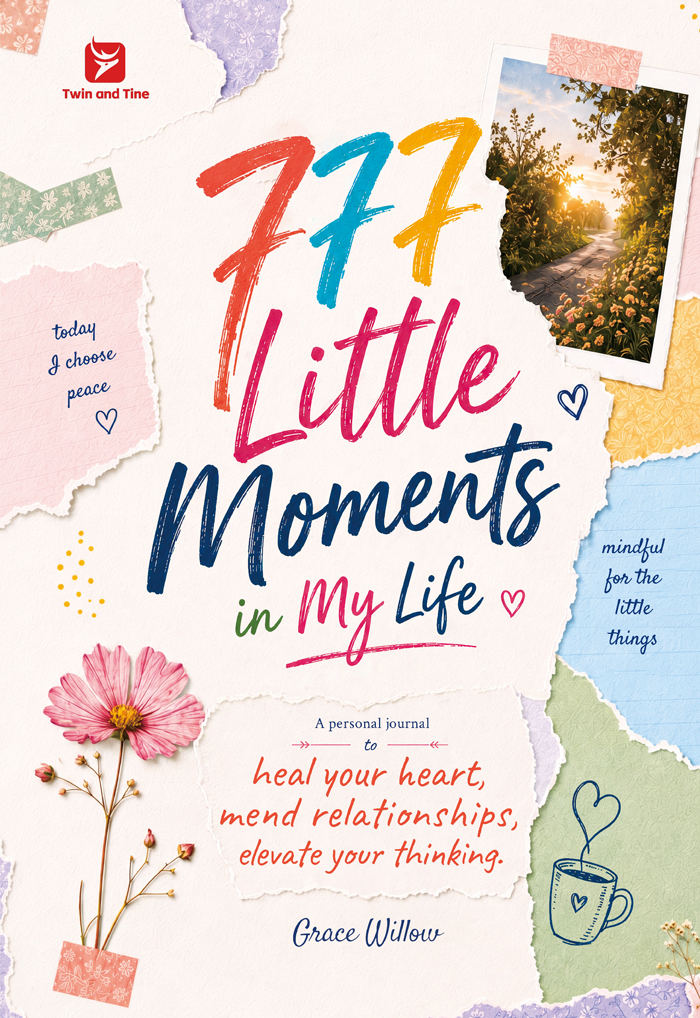
777 Little Moments in My Life
Grace Willow777 prompts to unpack old wounds, release buried emotions, and understand yourself more deeply.
Final Thoughts: A Summary on What to Write About in a Journal
You do not need a dramatic life to have something worth writing about. You just need a way to notice what is already there.
Start with what you noticed today. Write about what you avoid. Write about the people who shaped you. Write without knowing where it will go.
If you are ready to go deeper, 777 Little Moments in My Life by Grace Willow offers a guided way to begin. It will not ask you to become someone else. It will help you understand yourself more deeply—one prompt, one page, one honest moment at a time.
FAQ: What to Write About in a Journal
What if I do not have anything interesting to write about?
You do not need something interesting. You need something honest. Small moments, ordinary details, and quiet feelings are enough to begin.
How often should I journal?
There is no perfect schedule. Some people write daily. Some write weekly. What matters is consistency, not frequency.
What if I start writing and then stop?
That is normal. You do not have to finish every entry. You do not have to write for a certain amount of time. Starting again is part of the practice.
Can journaling really help me understand myself better?
Yes. Writing gives your thoughts a place to go. It slows them down, gives them shape, and helps you see patterns you might otherwise miss.
Did this article help you see things differently? Our books turn helpful ideas into practical tools you can return to anytime.



Break the Anxiety Circle
$19.90

From Debt to Wealth
$19.90


