Protecting your boundaries can feel difficult when you are afraid of disappointing people. You say yes when you want to say no, keep explaining decisions that should be yours to make, and tolerate behavior that leaves you feeling overlooked.
The problem is not always that you do not know how to set limits. Sometimes, you know exactly what bothers you but struggle to stand by your decision when someone gets upset.
Learning how to protect your boundaries means knowing what you will accept, communicating it clearly, and refusing to make other people’s approval more important than your own well-being.

5 Ways to Protect Your Boundaries
1. Stop Overexplaining Your Decisions
You do not need a long excuse every time you decline a request. Saying “I can’t take that on right now” is often enough.
Overexplaining can turn a personal decision into a discussion in which you feel pressured to defend yourself. Be respectful, but remember that someone does not have to agree with your decision for it to be valid.
2. Learn to Say No Without Feeling Guilty
You may feel selfish when you stop doing things people expect from you. But disappointing someone is not the same as mistreating them.
Start with small decisions. Decline invitations when you need rest, protect your personal time, and stop accepting responsibilities you cannot manage. You can care about others without agreeing to everything they ask.
3. Be Clear About What You Will Not Accept
A boundary works best when it is specific. You might be willing to discuss a disagreement, but not tolerate insults. You might help a friend, but refuse to be contacted only when they need something.
Communicate your limit calmly. For example: “I’m willing to talk about this, but not if you keep insulting me.”
4. Stop Repeating Yourself When Nothing Changes
If someone repeatedly ignores your boundaries, another explanation may not solve the problem.
Pay attention to what happens after you speak up. Does the person make an effort to change, or apologize and repeat the same behavior? Depending on the situation, you may need to end a conversation, reduce contact, document workplace incidents, or seek support.
You cannot control whether someone respects your boundaries. You can decide how you respond when they do not.
5. Stop Depending on Everyone’s Approval
One of the hardest boundaries to maintain is the one that risks changing how someone sees you.
You may tolerate disrespect because you fear losing a relationship. You may keep giving because you hope your effort will finally make someone appreciate you. You may hide your real opinions to avoid being called difficult.
Ask yourself: Am I doing this because I genuinely want to, or because I am afraid of what will happen if I refuse?
Recognizing the difference helps you make choices based on your own needs rather than the constant pressure to please others.
What If Someone Keeps Ignoring Your Boundaries?
It is frustrating to explain your limits clearly and see nothing change. You may wonder whether you need to communicate better or become more understanding.
Sometimes, clarification helps. But when the same behavior continues, look at the pattern rather than focusing on another apology.
A person who respects you may not always agree with your boundaries, but they should be willing to take your concerns seriously. If someone repeatedly dismisses your limits, consider what level of access to your time, attention, and personal life is appropriate.
A boundary is not a way to force someone to change. It is a decision about what you will do when their behavior affects you.
Protecting Your Boundaries Starts With Knowing Your Worth
Knowing how to say no is only part of the challenge. You can communicate your limits clearly and still abandon them when someone becomes distant, disappointed, or angry.
That often points to a deeper struggle: the need to be liked, chosen, or reassured that you matter.
In relationships, this can look like giving more than you receive, repeatedly explaining your feelings, or trying harder whenever someone pulls away. You may recognize that something feels wrong but keep hoping that being more patient, attractive, or understanding will finally earn you the respect you want.
This is where boundaries connect to attraction, relationship dynamics, and self-worth. Understanding these patterns can help you see why you keep making room for behavior that hurts you, even when you know you deserve better.
A Book to Help You Rethink Boundaries and Relationships
The Awakened Woman’s Game Code by Grace Willow looks at the patterns behind attraction, respect, personal boundaries, and the need for approval. It is especially relevant if you find yourself giving too much in relationships, struggling to maintain your independence, or repeatedly trying to convince someone to treat you differently.</text>
Rather than focusing only on what to say when someone crosses a line, the book examines the choices and expectations that shape how women approach relationships.
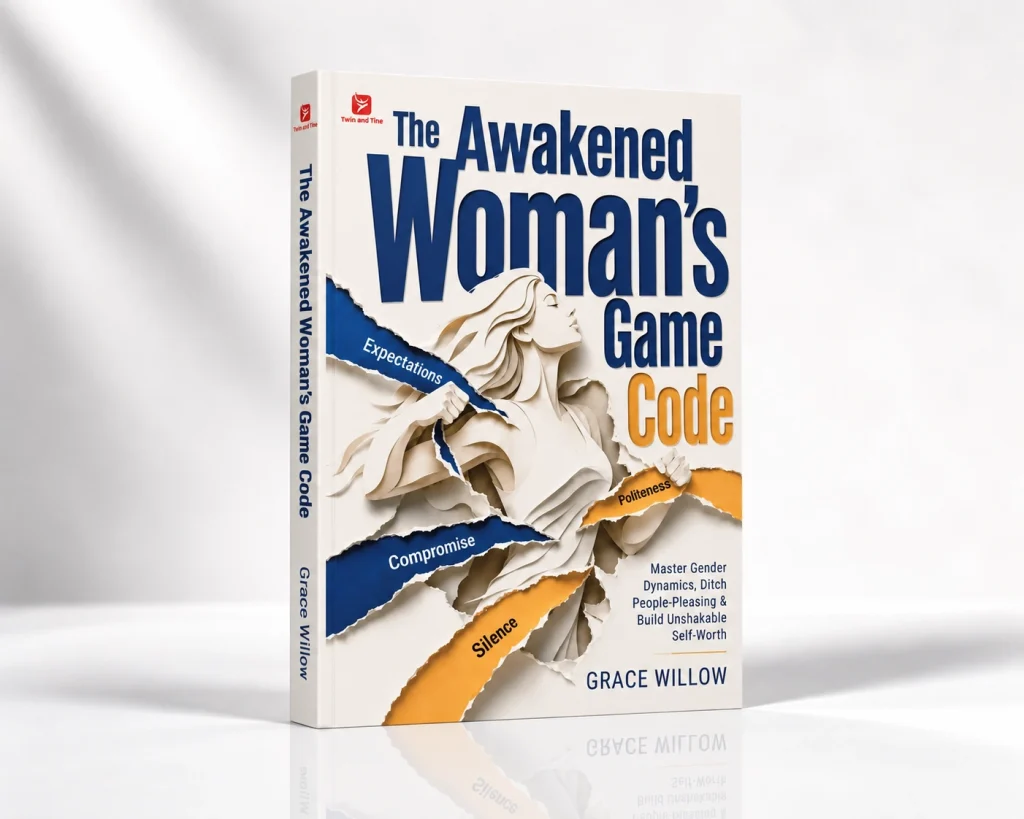
What You’ll Find Inside
- Attraction & Boundaries: Understand the role of independence and personal space without constantly chasing attention.
- The Gender Game: Recognize unproductive relationship patterns and stop relying on repeated explanations to change someone’s behavior.
- Workplace Strategies: Consider how to respond to bullying, disrespect, and difficult professional situations.
- Becoming a High-Value Woman: Examine people-pleasing, self-criticism, and the habit of measuring your worth through other people’s approval.
These themes offer another way to think about the difference between being available to someone and being genuinely respected.
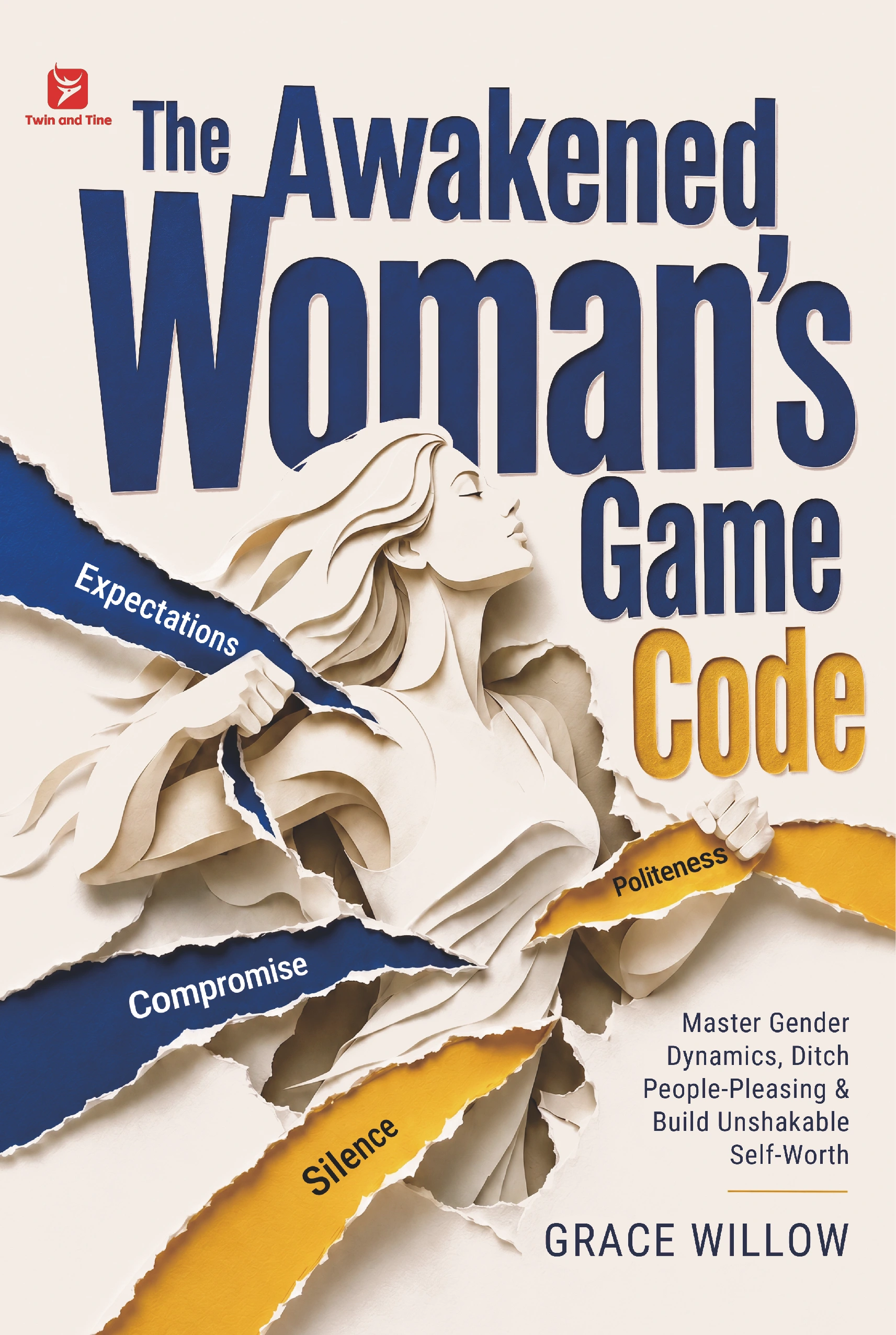
The Awakened Woman’s Game Code
Grace WillowBeing loved isn’t enough if you’re not respected.
Learn the hidden rules of attraction, boundaries, and relationship dynamics, and stop making yourself easy to take for granted.
Stop Making Yourself Available at Your Own Expense
You can care about someone without accepting every behavior. You can want a relationship to work without carrying all the responsibility for it.
If you want to understand the relationship patterns behind boundaries, attraction, and self-worth, The Awakened Woman’s Game Code offers a place to start.
Being loved isn’t enough if you’re not respected.

