You agree to help a coworker even though your own work is already piling up. You tell a friend that everything is fine when their comments have actually hurt you. Later, you replay the conversation and wonder why you said yes again when you wanted to say no. You may know that you need better boundaries, but the thought of disappointing someone can make even a simple refusal feel uncomfortable.
People-pleasing is not always about wanting everyone to like you. Sometimes, it comes from fear of conflict, guilt about putting yourself first, or the belief that keeping other people happy is your responsibility. Over time, this pattern can leave you exhausted, resentful, and disconnected from your own needs. The right books can help you recognize these habits, understand what keeps them going, and practice setting limits without feeling that you have to become cold or selfish.
1. Set Boundaries, Find Peace by Nedra Glover Tawwab
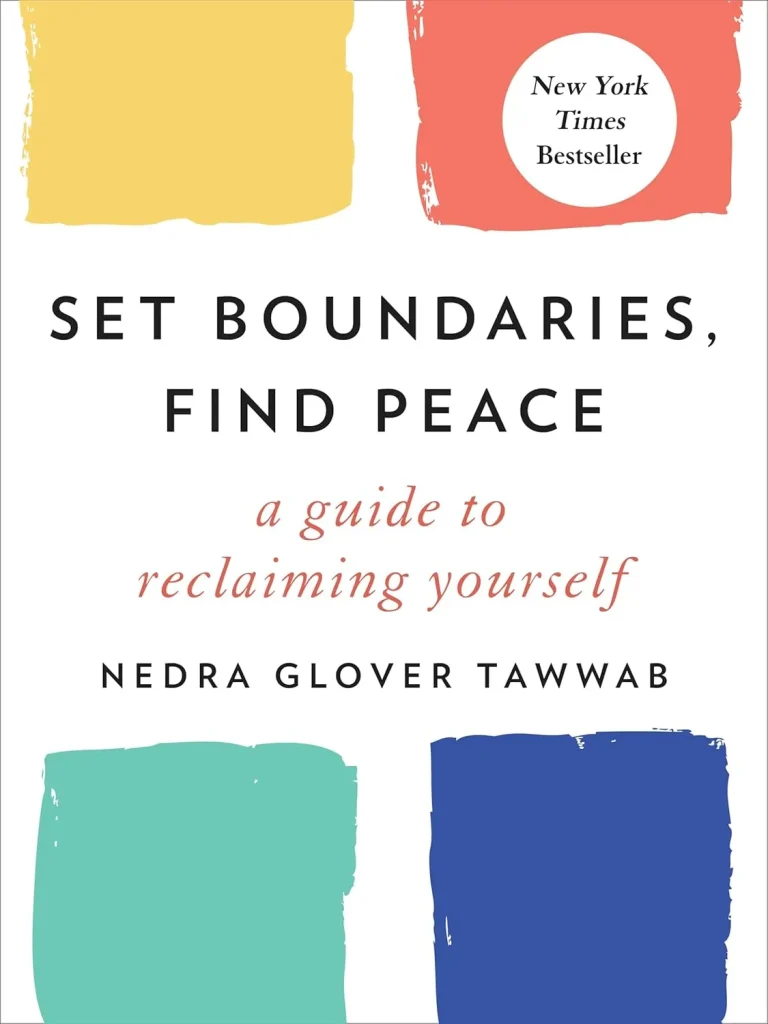
Setting boundaries can sound straightforward until you have to do it with someone you love, work with, or depend on. You might worry that saying no will make you seem unhelpful, selfish, or difficult. Nedra Glover Tawwab’s book offers practical guidance for recognizing where boundaries are needed and communicating them more clearly.
The book explores boundaries in relationships, family life, friendships, and the workplace. It helps readers recognize patterns such as overcommitting, accepting behavior that makes them uncomfortable, and avoiding difficult conversations to keep the peace. Rather than treating boundaries as a way to control other people, it emphasizes being clear about what you will accept and how you will respond when a limit is crossed.
This is a useful starting point if you often agree to things out of guilt or find yourself explaining your decisions long after you have made them. It can help you understand that a respectful boundary does not require the other person to agree with it.
Best for: Readers who want practical guidance on expressing their limits and maintaining healthier relationships.
2. Break the Anxiety Circle by Miles Carter

Sometimes the hardest part of setting a boundary happens after the conversation ends. You tell someone that you cannot help, then spend the evening wondering whether they are angry with you. You start composing explanations in your head, feel guilty about your decision, and consider taking it back just to restore a sense of peace. These reactions can make people-pleasing difficult to change, even when you understand why it is draining you.
Break the Anxiety Circle by Miles Carter explores self-worth, self-love, emotional regulation, overthinking, and the need for approval. It also addresses people-pleasing patterns and the challenge of establishing boundaries. Rather than focusing only on what to say to another person, the book connects these outward behaviors with inner habits that can keep you stuck in worry, regret, and self-criticism.
For readers who struggle to put their own needs first, this book offers a way to examine the emotional side of boundary-setting. You can work on expressing a limit while also learning to handle the discomfort that may follow, instead of treating another person’s disappointment as proof that you have done something wrong.
Best for: Readers who overthink other people’s reactions, feel guilty after saying no, or rely heavily on external approval.

Break the Anxiety Circle
Miles CarterA mental reset for people trapped in the overthinking loop. Understand why your mind won’t stop racing — and how to break free from anxiety, people-pleasing, and emotional exhaustion.
3. The Disease to Please by Harriet B. Braiker
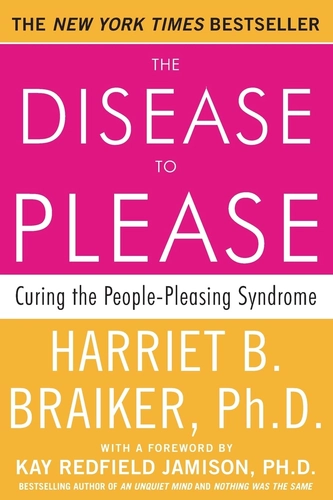
Some people-pleasing habits are so familiar that they barely feel like choices. You volunteer before anyone asks, apologize when you have done nothing wrong, or change your opinion because disagreement feels risky. Harriet B. Braiker’s book examines the tendency to seek approval and the ways it can interfere with personal well-being.
The book helps readers consider why they feel compelled to please others and how the need for approval can shape everyday decisions. It addresses the emotional and behavioral patterns that make it hard to say no, tolerate disapproval, or stop taking responsibility for other people’s feelings. Recognizing these patterns is important because memorizing a few polite refusal scripts may not change the fear underneath them.
This book may be especially helpful if you know you are overcommitted but still feel uneasy whenever you consider stepping back. It encourages you to look at the habit itself, not just the individual situations in which it appears.
Best for: Readers who repeatedly seek approval and struggle to stop putting everyone else’s needs first.
4. Boundaries by Henry Cloud and John Townsend
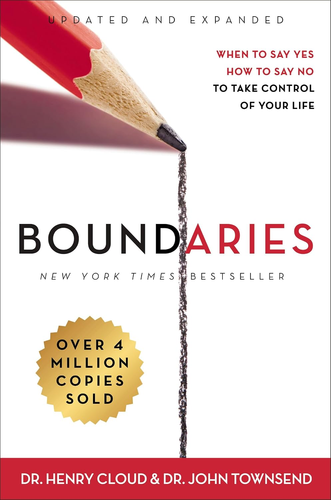
A boundary problem can show up in more complicated ways than agreeing to an extra favor. You may feel responsible for solving a family member’s problems, keep rescuing a friend from the consequences of their choices, or struggle to separate support from taking over. Boundaries by Henry Cloud and John Townsend examines how people can define their responsibilities and develop healthier limits in relationships.
The book explores when to say yes, when to say no, and how personal limits relate to responsibility. It helps readers reflect on the difference between caring about someone and assuming responsibility for everything that happens to them. This distinction matters when guilt or a desire to help leads you to sacrifice your own time, energy, or priorities repeatedly.
Although boundary-setting can feel uncomfortable at first, relationships often become clearer when each person understands what they are responsible for. This book is a useful option for readers who want to examine boundaries across family, friendships, and other close relationships.
Best for: Readers who take on too much responsibility for other people and need help distinguishing support from overinvolvement.
5. Codependent No More by Melody Beattie
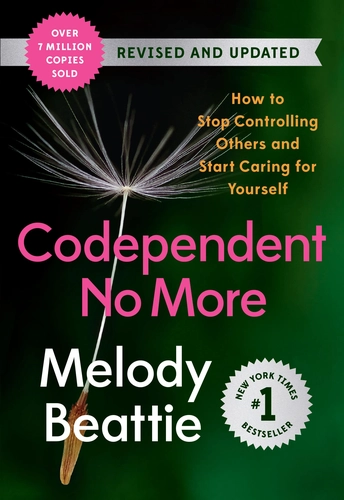
You can care deeply about someone and still become caught up in managing their emotions, decisions, and problems. Perhaps you spend hours trying to fix a relationship while neglecting your own needs, or feel anxious whenever someone close to you is upset. Melody Beattie’s Codependent No More explores patterns of overinvolvement and the difficulty of separating your well-being from another person’s choices.
The book encourages readers to recognize when helping has turned into taking over and when concern for another person has begun to dominate their lives. It focuses on reclaiming personal responsibility, paying attention to your own needs, and accepting that you cannot control another person’s behavior. These ideas can be particularly relevant when guilt makes it difficult to step back from an unhealthy pattern.
This is a more specific choice than a general guide to boundaries, especially for people who repeatedly organize their lives around another person’s struggles. It can help readers reflect on where their responsibilities end and where someone else must make their own decisions.
Best for: Readers who feel responsible for fixing other people’s problems and want to regain a stronger sense of personal independence.
How to Choose the Right Book
The most useful book depends on what makes boundaries difficult for you in the first place.
- You do not know how to say no: Start with Set Boundaries, Find Peace for practical guidance on communicating limits.
- You feel guilty or anxious after setting a boundary: Break the Anxiety Circle may be a good fit because it addresses overthinking, self-worth, people-pleasing, and emotional regulation.
- You constantly seek approval: The Disease to Please focuses on the habits behind the need to keep everyone happy.
- You feel responsible for everyone around you: Boundaries or Codependent No More may help you examine where your responsibilities end.
Setting healthy boundaries does not mean you stop caring about other people. It means you can care without automatically sacrificing your time, hiding your feelings, or agreeing to things you do not want to do. Start with the pattern that causes the most trouble in your daily life, then practice making one clear, manageable change at a time.
If you found this helpful, these books go deeper into the same themes.



Break the Anxiety Circle
$19.90

From Debt to Wealth
$19.90

