You finish a piece of work and immediately start looking for mistakes. Someone gives you a compliment, but instead of accepting it, you wonder whether they are just being polite. When an opportunity comes along, you hesitate because you are not sure you are qualified, even though you have handled similar challenges before. If this sounds familiar, self-doubt may be influencing more of your decisions than you realize.
Self-doubt can show up as constant comparison, fear of making mistakes, difficulty accepting praise, or a habit of questioning decisions long after you have made them. It does not necessarily mean you lack ability. Sometimes, the problem is that you have learned to treat uncertainty as a warning that you are not good enough. Books on self-worth, emotional habits, and confidence can help you understand these patterns and begin responding to yourself differently.
1. The Gifts of Imperfection by Brené Brown
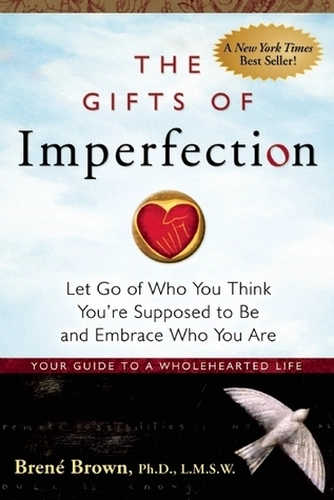
It is difficult to feel confident when you believe you must get everything right to deserve approval. You may avoid trying something new because you do not want to look inexperienced, or hide parts of yourself because you worry they will not be accepted. In The Gifts of Imperfection, Brené Brown explores how perfectionism, shame, and the need for approval can interfere with living a more wholehearted life.
Rather than presenting confidence as the ability to impress everyone, the book encourages readers to question the standards they use to judge themselves. It explores themes such as authenticity, self-compassion, courage, and letting go of the expectation that you must appear flawless. These ideas can be helpful when self-doubt comes from constantly measuring yourself against other people’s expectations.
The book is especially relevant if you spend too much time trying to prove that you are capable, successful, or likable. It offers a different way to think about self-worth: you do not have to eliminate every imperfection before you can feel comfortable being yourself.
Best for: Readers whose self-doubt is closely tied to perfectionism, shame, and fear of judgment.
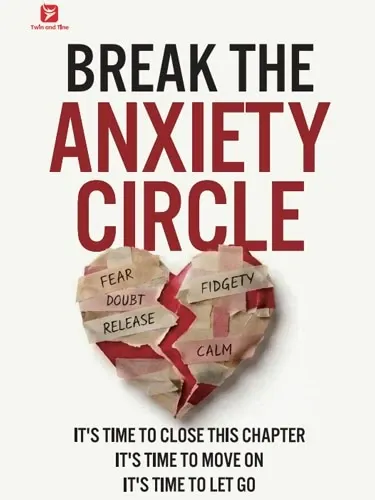
2. Break the Anxiety Circle by Miles Carter
You might know that one mistake does not define you, yet still replay an awkward conversation days later. You may understand that other people are not paying attention to every little thing you do, but still worry about how you came across. When these thoughts become repetitive, they can make even ordinary decisions feel like tests you might fail.
Break the Anxiety Circle by Miles Carter explores the connection between overthinking, self-worth, self-love, and emotional regulation. It addresses patterns such as rumination, regret, sensitivity to other people’s reactions, and the difficulty of accepting yourself when life does not go as planned. These themes are relevant to self-doubt because repeatedly criticizing yourself can make it harder to trust your judgment and move forward.

Break the Anxiety Circle
Miles CarterA mental reset for people trapped in the overthinking loop. Understand why your mind won’t stop racing — and how to break free from anxiety, people-pleasing, and emotional exhaustion.
The book also looks at letting go of the past, dealing with imperfect circumstances, and changing habits that keep you mentally stuck. Rather than suggesting that confidence means never feeling anxious or uncertain, its themes offer readers a way to examine the thought patterns that intensify those feelings. For someone who regularly questions their own worth or gets caught in cycles of self-criticism, this can be a useful place to start.
Best for: Readers who overthink their mistakes, worry about other people’s opinions, or struggle to feel secure in their own worth.
3. The Six Pillars of Self-Esteem by Nathaniel Branden
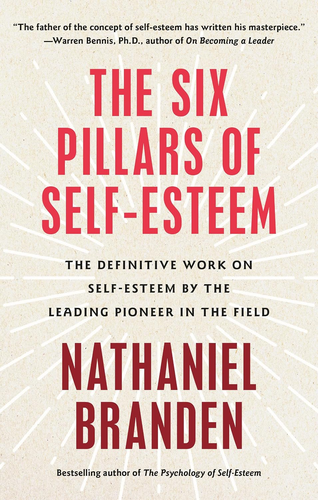
Confidence can be difficult to maintain if your sense of worth depends entirely on success, praise, or other people’s approval. A good result makes you feel capable for a while, but one setback can send you straight back to questioning yourself. Nathaniel Branden’s The Six Pillars of Self-Esteem examines self-esteem as something connected to the way people think, act, and relate to their own lives.
The book presents six practices associated with healthy self-esteem, including living consciously, accepting yourself, taking responsibility for your choices, and acting with integrity. These ideas encourage readers to move beyond simply repeating positive statements and pay attention to the habits that shape their relationship with themselves. Self-respect becomes less dependent on whether every outcome is successful and more connected to how consistently you act in line with your values.
This book is a more in-depth choice for readers who want to explore self-esteem as a long-term practice rather than a temporary feeling. It can be particularly useful if you are looking for a structured way to think about personal responsibility and the foundations of self-confidence.
Best for: Readers who want a deeper understanding of self-esteem and practical principles for building a more stable sense of self-worth.
4. Feel the Fear and Do It Anyway by Susan Jeffers
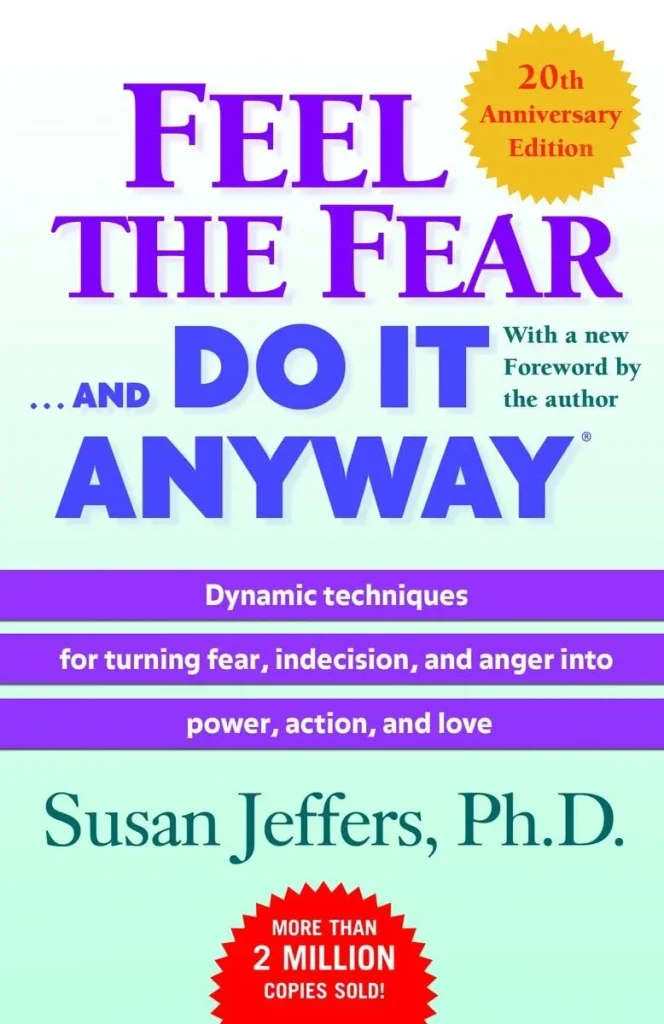
One common form of self-doubt is waiting until you feel completely ready before taking action. You postpone applying for a new role, avoid speaking up in a meeting, or delay having an important conversation because you cannot guarantee that it will go well. Susan Jeffers’ Feel the Fear and Do It Anyway addresses the way fear can restrict everyday choices and encourages readers to act even when uncertainty remains.
The book challenges the assumption that you must get rid of fear before you can do something meaningful. Instead, it focuses on changing how you respond to uncomfortable feelings and recognizing that uncertainty is a normal part of making decisions. This perspective can help readers stop treating nervousness as evidence that they are incapable.
If self-doubt keeps you from taking opportunities, this book offers a useful reminder that confidence does not always arrive before action. Sometimes, a greater sense of capability develops through experience, as you learn that you can handle situations without knowing every outcome in advance.
Best for: Readers who hesitate to take opportunities because they are afraid of failure, rejection, or uncertainty.
5. The Confidence Gap by Russ Harris
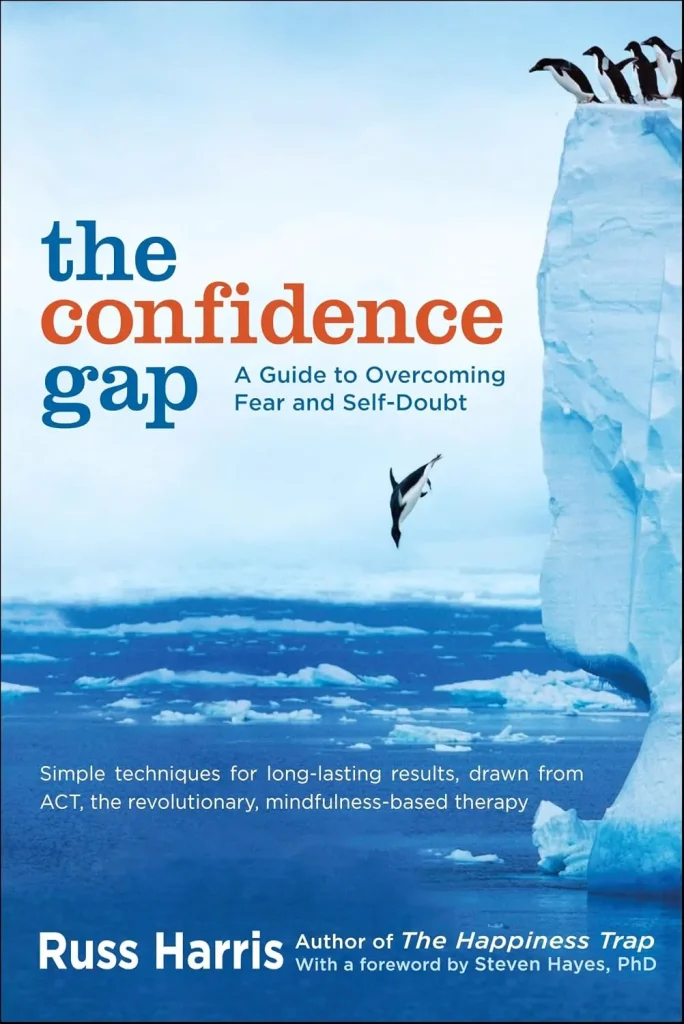
Some people assume confident individuals simply have fewer negative thoughts. In reality, you can feel uncertain and still make a thoughtful decision, speak honestly, or take a step toward a goal. In The Confidence Gap, Russ Harris uses ideas from acceptance and commitment therapy to explore how people can stop waiting for confidence and start acting in line with what matters to them.
The book examines how struggling against uncomfortable thoughts and feelings can make them more influential. It encourages readers to notice self-doubt without automatically treating it as a fact or allowing it to determine every action. Instead of trying to guarantee that you will succeed, you can learn to make room for uncertainty while continuing to do things that matter.
This approach is especially helpful for people who already understand their fears but still find themselves avoiding challenging situations. It offers a way to work with doubt rather than making the disappearance of doubt a requirement for progress.
Best for: Readers who want to take action despite negative thoughts and build confidence through meaningful experience.
Which Book Should You Read First?
The best starting point depends on what your self-doubt looks like in everyday life.
- You are afraid of being judged or making mistakes: The Gifts of Imperfection can help you examine perfectionism and the need for approval.
- You replay conversations and criticize yourself: Break the Anxiety Circle focuses on overthinking, self-worth, rumination, and emotional habits.
- You want to strengthen your self-esteem over time: The Six Pillars of Self-Esteem offers a structured approach to understanding self-worth.
- Fear stops you from taking opportunities: Feel the Fear and Do It Anyway encourages action even when uncertainty remains.
- You are tired of waiting until you feel confident: The Confidence Gap explores how to act in line with your values without needing uncomfortable thoughts to disappear first.
Overcoming self-doubt does not mean you will never question yourself again. It means learning to distinguish a useful concern from a familiar habit of putting yourself down, and making decisions without demanding absolute certainty first. Choose a book that speaks to the pattern you recognize most clearly, then apply one idea to a real situation in your life. Confidence becomes more meaningful when it starts changing what you are willing to do, not just how you feel for a moment.
If you found this helpful, these books go deeper into the same themes.



Break the Anxiety Circle
$19.90

From Debt to Wealth
$19.90

