A disagreement about something small can quickly turn into an argument about everything else. One partner feels ignored, the other feels constantly criticized, and before long, neither person is talking about the original problem anymore. They are defending themselves, bringing up old frustrations, or waiting for the other person to admit they were wrong.
Relationship conflicts are not always caused by a lack of love or effort. Sometimes people have different expectations, struggle to explain what they need, or interpret each other’s words in ways that make a difficult moment worse. Learning to communicate through these differences can help couples and family members address the actual problem instead of repeating the same argument. The following books offer different approaches to understanding conflict and having more productive conversations.
1. The Seven Principles for Making Marriage Work by John Gottman and Nan Silver

Some couples find themselves having the same argument for months or even years. The details may change, but the underlying frustration remains: one person wants more attention, the other wants more space, or both feel that their efforts go unnoticed.
Based on John Gottman’s research on relationships, this book explores the habits that help couples maintain connection and navigate disagreements. It discusses friendship, understanding each other’s emotional needs, managing conflict, and building shared meaning. Rather than treating every disagreement as a sign that a relationship is failing, it encourages couples to develop healthier ways of responding to differences and maintaining respect.
2. Say It Right Every Time by Miles Carter
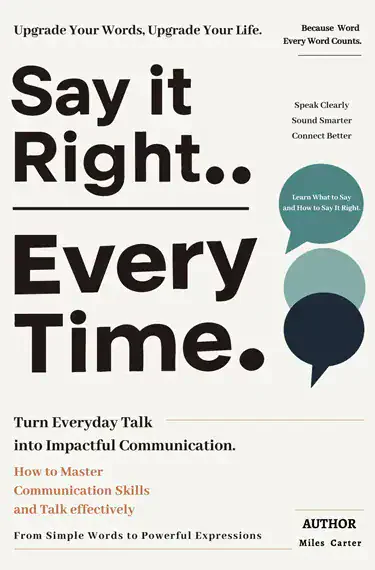
When an argument starts getting tense, people often fall back on habits they later regret. They interrupt, make sweeping accusations, agree just to end the conversation, or struggle to explain what hurt them without sounding hostile. In these moments, knowing how to phrase a response can make a real difference.
Say It Right Every Time by Miles Carter focuses on practical communication tools for expressing needs, setting boundaries, disagreeing respectfully, and responding calmly under pressure. Its 115 scripts and 15 frameworks help readers think through what to say in challenging interactions instead of relying on impulsive reactions. Although the skills apply to many settings, they are especially relevant to relationship conflicts where people want to be honest without making the other person feel attacked.
The book also addresses people-pleasing and the difficulty of speaking up when emotions are involved. Readers can use its approaches to make clearer requests, explain their perspective, and keep a conversation from becoming a contest over who is right.
3. Nonviolent Communication by Marshall B. Rosenberg
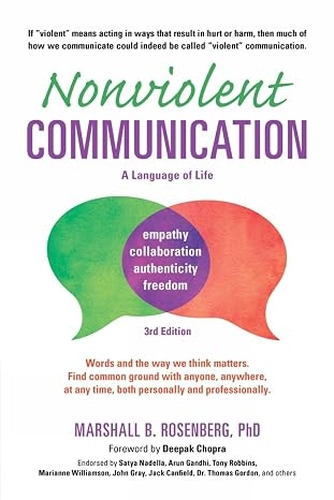
A statement such as “You never listen to me” may express genuine frustration, but it can also leave the other person feeling accused and ready to defend themselves. Once that happens, the conversation often moves away from the unmet need that started it.
Nonviolent Communication introduces a framework built around observations, feelings, needs, and requests. Instead of judging someone’s behavior or assuming their intentions, readers learn to describe what happened, identify their own emotional response, and explain what they need. The approach also emphasizes listening for the needs behind another person’s words, which can make difficult conversations less adversarial.
This book may be particularly useful for people who want to express hurt or disappointment without relying on blame. Its principles take practice, especially when both people are already upset, but they offer a clear structure for communicating more constructively.
4. Hold Me Tight by Dr. Sue Johnson
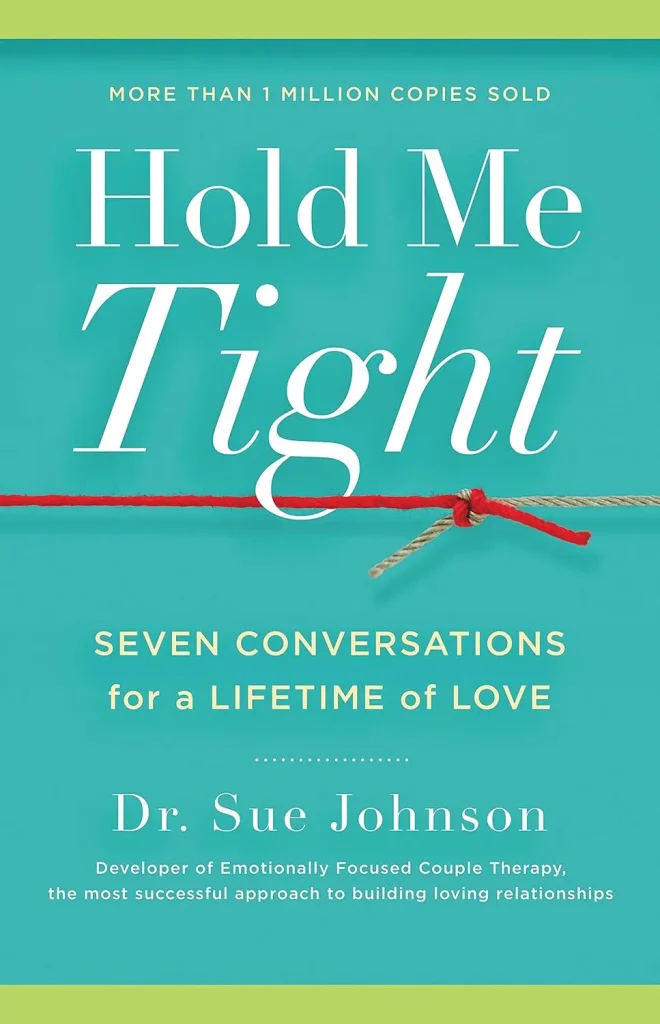
Some relationship arguments seem much bigger than the immediate issue. A delayed reply, a forgotten responsibility, or a request for time alone can trigger fears of rejection, indifference, or losing emotional connection. The disagreement may appear to be about a practical matter, while the deeper concern is whether each person feels secure and valued.
Hold Me Tight draws on emotionally focused therapy to explore how attachment and emotional responsiveness influence romantic relationships. Sue Johnson helps readers recognize recurring negative patterns and understand the fears and needs that may sit underneath anger or withdrawal. The book encourages partners to express vulnerable feelings more openly and respond to each other with greater emotional engagement.
It can be a valuable choice for couples who notice that their conflicts keep returning to the same feelings of distance, insecurity, or disconnection.
5. Difficult Conversations by Douglas Stone, Bruce Patton, and Sheila Heen
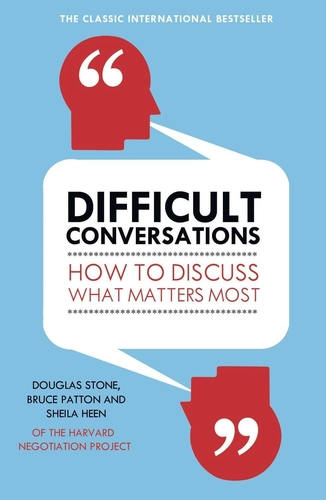
Not every relationship conflict has a simple solution. Sometimes two people remember an event differently, disagree about what is fair, or have legitimate needs that cannot both be met completely. Trying to force agreement too quickly can leave one or both people feeling dismissed.
Difficult Conversations examines why sensitive discussions become so challenging and how assumptions influence the way people interpret each other’s words. The authors distinguish between the facts of a situation, the feelings involved, and the different interpretations each person brings to the conversation. This can help readers move away from assigning blame and toward understanding what each person experienced.
The book is useful for conflicts that involve recurring resentment, broken expectations, or unresolved misunderstandings. It does not promise that every conversation will end in agreement; instead, it helps readers approach disagreement with greater clarity and a better understanding of what is at stake.
What Changes When People Communicate Differently?
Resolving relationship conflict does not mean avoiding every argument or ensuring that both people always agree. It means learning to recognize when a conversation has become unproductive and finding a way back to the issue that needs attention.
A few small changes can help:
- Describe the situation rather than attacking character. Explain what happened and how it affected you instead of using words such as “always” and “never.”
- Ask before assuming. A delayed response or a different opinion does not automatically reveal someone’s intentions.
- Make a clear request. Tell the other person what would help rather than expecting them to guess.
- Take a break when needed. If either person is too upset to listen, agree to return to the discussion when you can both engage more calmly.
- Look for the recurring pattern. If the same disagreement keeps returning, consider what need, expectation, or misunderstanding has not been addressed.
Different conflicts call for different tools. The Seven Principles for Making Marriage Work focuses on relationship habits, Hold Me Tight explores emotional connection, and Nonviolent Communication offers a structure for expressing feelings and needs. Difficult Conversations is especially relevant when perspectives differ, while Say It Right Every Time provides practical language for responding and setting boundaries.
The goal is not to become perfect at difficult conversations. It is to make it easier to say what matters, understand what the other person is trying to communicate, and work through disagreements without losing sight of the relationship itself.
Did this article help you see things differently? Our books turn helpful ideas into practical tools you can return to anytime.



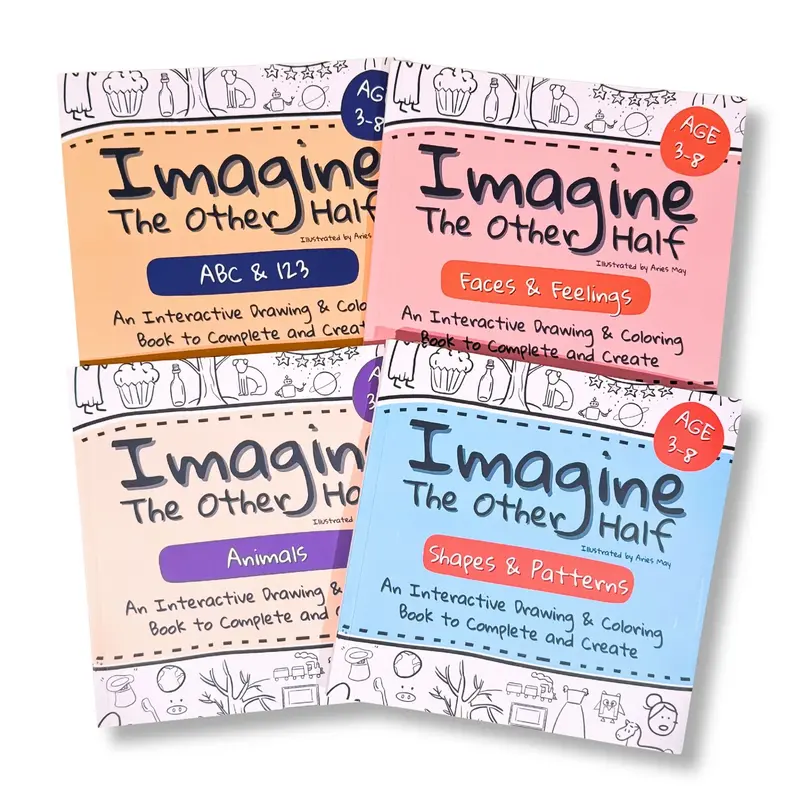
Imagine The Other Half
$24.99

