The argument is over, but your body is still tense. You may have raised your voice, your child may have slammed a door, and neither of you feels ready to talk about what happened. Even when everyone eventually settles down, you might wonder how to handle the next difficult moment without repeating the same pattern.
Emotional regulation is not about staying calm every second or teaching children to hide their feelings. It involves recognizing emotions, understanding what triggers them, and learning how to respond without letting a strong feeling control every action. Parents play an important role in this process, both through the strategies they teach and through the way they handle their own frustration. These books offer different approaches to developing those skills.
1. The Whole-Brain Child by Daniel J. Siegel and Tina Payne Bryson
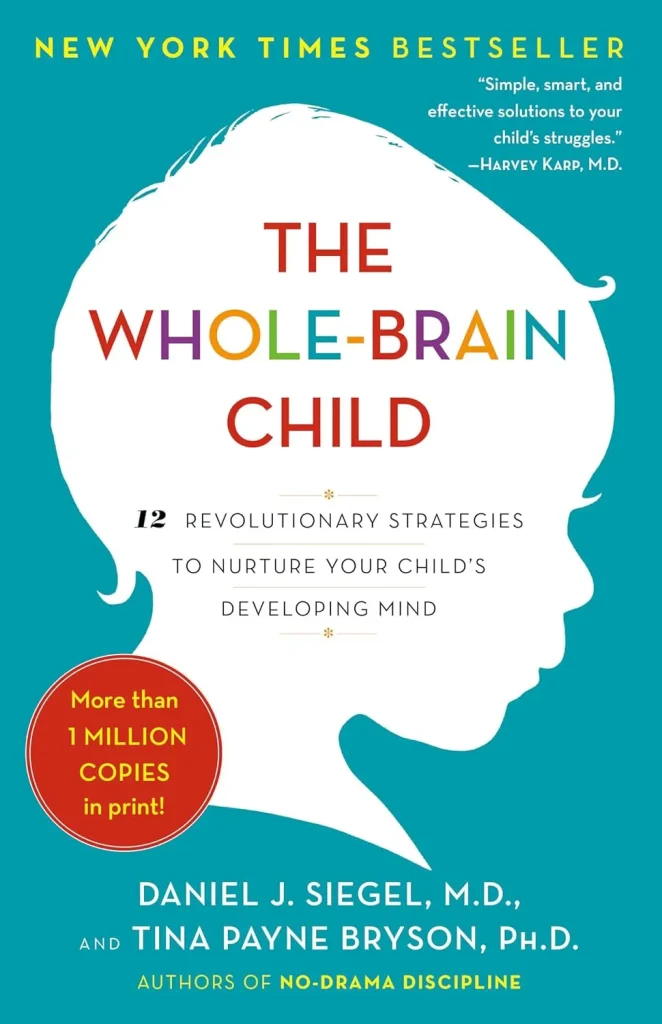
A child who is overwhelmed by disappointment may struggle to explain what is wrong. They might argue, withdraw, cry, or react angrily to a small frustration. In those moments, simply telling them to calm down may not help them understand what they are experiencing.
The Whole-Brain Child explains how children’s developing brains influence their emotions, behavior, and ability to think through difficult situations. Siegel and Bryson offer practical strategies for helping children recognize feelings, make sense of upsetting experiences, and gradually develop more effective responses. The book helps parents connect emotional experiences with learning and problem-solving rather than treating every outburst as a behavior problem alone.
2. The Parent You Aspire to Be by Miles Carter

A child’s emotional reaction can quickly become a parent’s emotional reaction, creating a cycle in which both sides become louder, more defensive, or less willing to listen. A parent may understand the importance of staying calm but still struggle to do so when facing repeated refusal, rude language, school-related stress, or an intense meltdown.
The Parent You Aspire to Be by Miles Carter focuses on parental emotional regulation alongside child behavior and parent-child communication. It addresses how parents can respond to challenging situations without relying on yelling, excessive control, or reactions they later regret. The book also explores how to correct behavior, set firm but kind boundaries, and communicate in ways that help children understand expectations.
Its practical focus is useful for parents who want to guide a child’s emotions while also changing their own responses. Instead of expecting either person to behave perfectly, the approach encourages parents to recognize unhelpful patterns and replace them with clearer language and more constructive steps.

The Parent You Aspire to Be
Miles CarterPractical guidance for tantrums, backtalk, lying, screen addiction, emotional outbursts, and everyday parenting struggles.
3. Raising an Emotionally Intelligent Child by John Gottman and Joan DeClaire
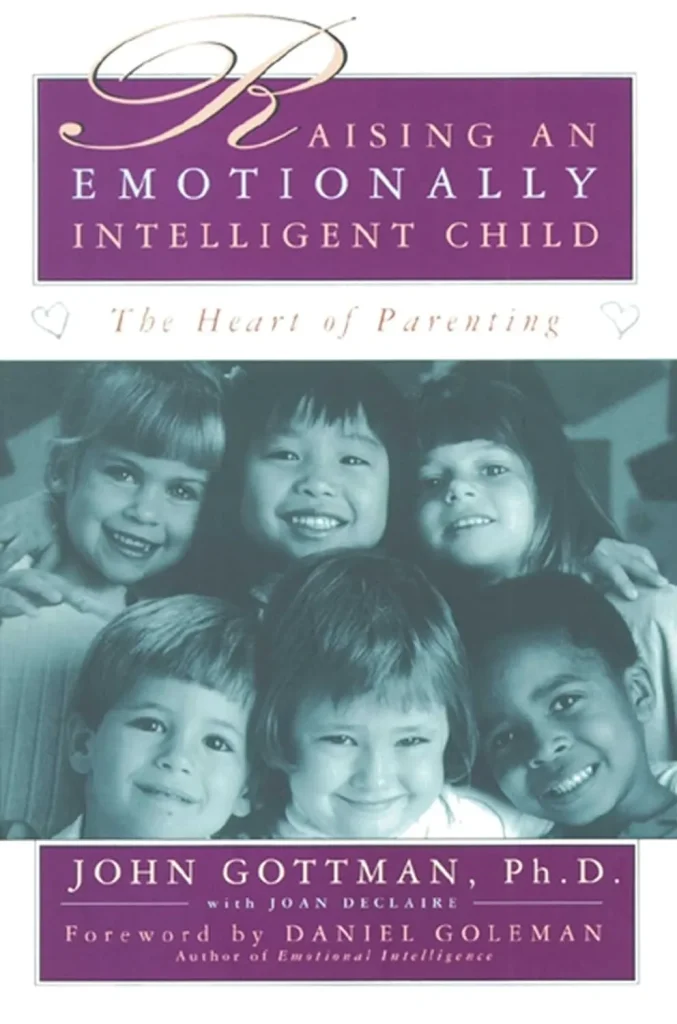
Some children have difficulty naming what they feel. They may say they are fine when they are clearly upset, lash out when embarrassed, or become frustrated because they cannot explain what they need. Parents may focus on stopping the behavior without realizing that the child also needs help understanding the emotion behind it.
Raising an Emotionally Intelligent Child introduces the concept of emotion coaching. It encourages parents to notice emotional moments, listen to children’s feelings, help them identify what they are experiencing, and guide them toward appropriate ways to respond. The book also makes an important distinction between accepting an emotion and accepting every behavior: a child can be angry, but still needs to learn how to express that anger without hurting others.
This is a helpful choice for parents who want to build emotional awareness and communication skills as part of everyday family life.
4. No-Drama Discipline by Daniel J. Siegel and Tina Payne Bryson
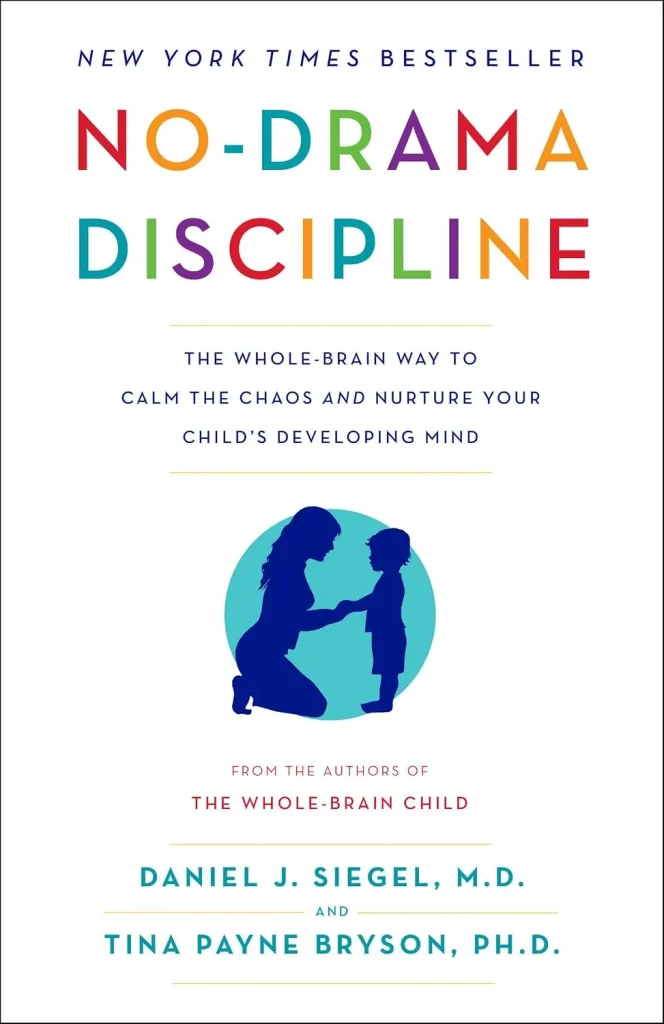
Discipline often becomes most difficult when a parent is already frustrated. A child breaks a rule, the parent reacts sharply, and the interaction shifts from teaching a lesson to managing the fallout from the argument.
No-Drama Discipline explores ways to correct behavior while keeping the parent-child connection in view. Siegel and Bryson emphasize responding to the emotional state of the moment, helping children regain enough composure to learn, and then returning to the behavior that needs to change. The book offers a useful framework for parents who want discipline to teach responsibility and emotional skills instead of relying mainly on fear or punishment.
It is especially relevant when parents want to maintain boundaries but find that heated corrections often lead to more resistance.
5. Permission to Feel by Marc Brackett
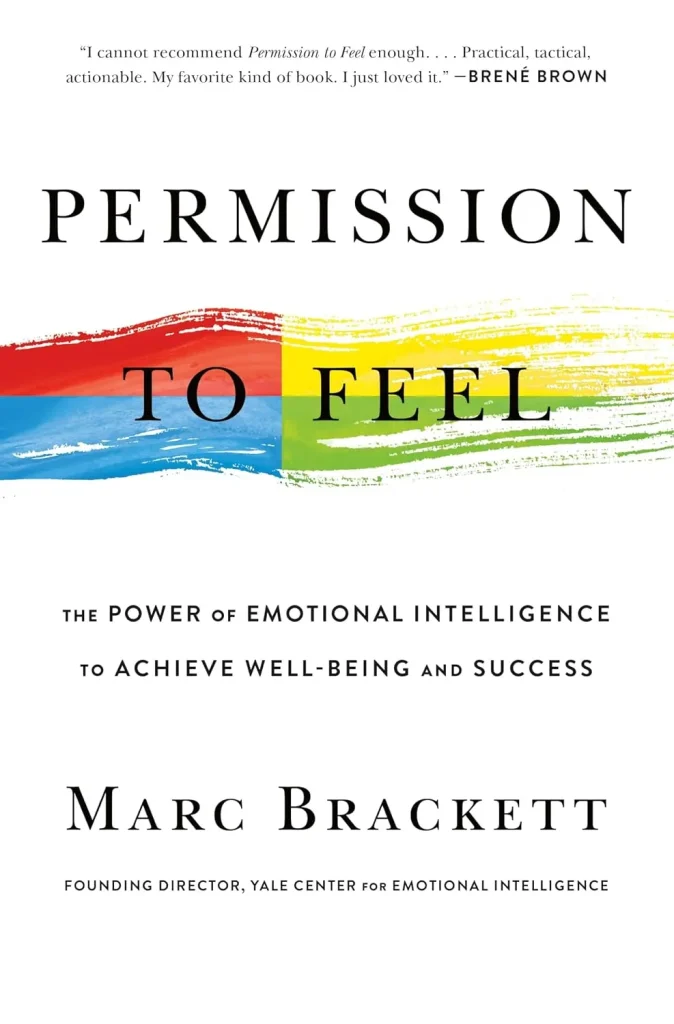
Children are not the only ones who struggle to understand their emotions. Parents can also mistake stress for anger, ignore sadness until it becomes irritability, or feel guilty whenever they experience frustration with their family. Without recognizing what is happening internally, it can be difficult to choose a response deliberately.
Permission to Feel explores emotional intelligence through the skills of recognizing, understanding, labeling, expressing, and regulating emotions. Marc Brackett explains why emotional awareness matters and how people can develop a healthier relationship with their feelings. Although it is not exclusively a parenting manual, its framework can help adults become more aware of their own emotional patterns and model healthier ways of handling difficult experiences.
For parents who want to understand their reactions before trying to change family communication, this book offers a useful foundation.
Making Emotional Regulation Part of Everyday Family Life
Emotional regulation develops through repeated experiences, not through one conversation after a difficult day. Parents can help by making room for feelings while still teaching children how to act responsibly.
A few everyday practices can make that learning more concrete:
- Name the emotion without judging it. Try “You seem disappointed that the plan changed” instead of “You’re overreacting.”
- Notice your own warning signs. A tight jaw, a louder voice, or the urge to repeat yourself may signal that you need a brief pause.
- Separate feelings from behavior. Anger is understandable; hitting, insulting, or damaging things still requires a clear response.
- Talk after the difficult moment. Once everyone is calmer, discuss what happened and what might help next time.
- Model repair. If you lose your temper, acknowledge it and explain how you will try to handle the situation differently, while still addressing the original issue.
Each book approaches emotional regulation from a different angle. The Whole-Brain Child explains children’s emotional development, Raising an Emotionally Intelligent Child focuses on coaching feelings, and No-Drama Discipline connects emotional understanding with behavior correction. Permission to Feel offers a broader framework for emotional awareness, while The Parent You Aspire to Be focuses on the everyday connection between parental reactions, child behavior, and communication.
Children do not need parents who never get frustrated. They need adults who are willing to recognize emotions, maintain appropriate boundaries, and show that a difficult moment can be repaired. Over time, those repeated experiences can help the whole family handle strong feelings with more understanding and less conflict.
Did this article help you see things differently? Our books turn helpful ideas into practical tools you can return to anytime.



Break the Anxiety Circle
$19.90

From Debt to Wealth
$19.90


