Your child spends twenty minutes on a homework question, erases the answer, starts again, and eventually pushes the paper away. When you suggest trying one more time, they say, “I can’t do it,” or “I’m just bad at this.” You know they are capable of learning the material, but the possibility of getting it wrong seems to matter more than the chance to improve.
For parents, this can be frustrating to watch. You may want to reassure your child that they are smart enough, explain how little the mistake matters, or step in to help them get the answer right. Yet a child who fears failure often needs something different: support in handling the uncomfortable feeling of not knowing whether they will succeed.
The right parenting approach can help children become more willing to try, recover from setbacks, and understand that a mistake is an experience they can learn from rather than a judgment of their abilities.
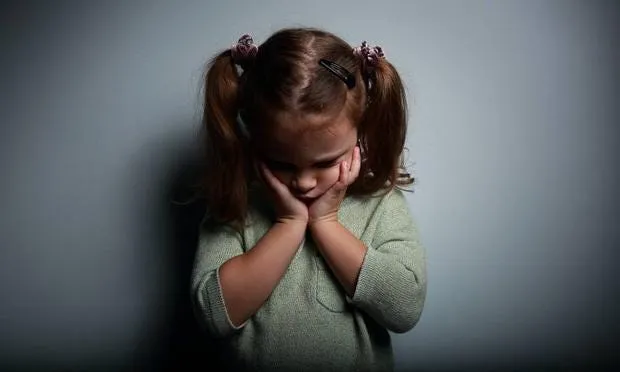
Why Some Children Are So Afraid of Getting Things Wrong
Fear of failure can appear in different ways. One child may refuse to join a competition unless they believe they can win. Another may become upset over a small mistake on a test, while a teenager may avoid applying for an opportunity because rejection feels unbearable.
Several experiences can contribute to this pattern:
- Pressure to perform well: Children may begin to believe that good grades, winning, or getting everything right is how they earn approval.
- Harsh reactions to mistakes: If errors regularly lead to criticism or disappointment, children may become more focused on avoiding mistakes than learning.
- Frequent comparison: Comparing a child with siblings, classmates, or friends can make ordinary struggles feel like evidence that they are falling behind.
- Too much adult intervention: When parents regularly step in to correct, fix, or complete difficult tasks, children have fewer opportunities to discover that they can work through problems themselves.
- All-or-nothing thinking: Some children interpret a disappointing result as proof that they are not good at something, rather than recognizing that a particular attempt did not work.
These patterns do not mean parents have deliberately caused a child’s fear. Children differ in temperament, confidence, and sensitivity to pressure. What matters is how adults respond when the fear begins to interfere with trying new things.
How Parents Can Help Children Become More Comfortable With Failure
The first step is to change what happens after a child struggles. If your child receives an unexpectedly low grade, for example, immediately asking why they did not study harder may increase their embarrassment without helping them understand what to do next.
Start by acknowledging the disappointment. You might say, “I know you worked hard for this result, and you’re upset that it didn’t turn out the way you wanted.” Once your child is ready to talk, help them identify one thing they could try differently.
Here are several approaches worth practicing at home:
- Praise effort and problem-solving, not just results. Notice when your child tries a difficult question, asks for help, or changes their approach after getting stuck.
- Let manageable struggles happen. Resist the urge to provide an answer immediately. Give your child time to think, experiment, and discover what they can do independently.
- Talk openly about your own mistakes. Explain how you handled a disappointing result or corrected an error, showing that capable adults also need practice and adjustment.
- Break intimidating tasks into smaller steps. A child afraid of failing a whole assignment may feel more comfortable working through one question at a time.
- Avoid promising success. Instead of saying, “You’ll definitely win,” try, “You can prepare, give it a try, and learn from what happens.”
The goal is not to make children enjoy every failure. Disappointment is a normal response when something matters to them. Children need opportunities to experience that disappointment and gradually learn how to move forward.
What to Say When Your Child Says, “I’m Not Good Enough”
The words parents choose can influence whether children feel safe discussing their struggles. Statements such as “You’re overreacting” or “It’s only a test” may seem reassuring from an adult’s perspective, but they can leave a child feeling that their worry is unreasonable or embarrassing.
Try responding to the feeling before moving into problem-solving.
For example:
Child: “I don’t want to try out for the team. What if everyone else is better than me?”
Parent: “It’s uncomfortable to try something when you don’t know how you’ll do. What part worries you most?”
After listening, you can help your child separate the possibility of an imperfect result from the decision to participate. They may decide to try out, practice first, or choose a different challenge. The important thing is to help them make a thoughtful decision rather than letting fear make every decision for them.
If fear of failure repeatedly prevents your child from attending school, participating in ordinary activities, or completing necessary tasks, consider seeking guidance from a qualified professional.
A Parenting Book for Building Confidence Through Better Communication
The Parent You Aspire to Be by Miles Carter helps parents work through challenging behavior and emotional situations using practical communication, behavior-correction strategies, and parental emotional regulation.

Rather than treating every refusal or emotional reaction as simple disobedience, the book encourages parents to consider how their responses influence a child’s behavior and willingness to cooperate. Its practical approach can help parents think more carefully about what to say, how to set expectations, and how to guide children through difficult moments without relying on constant criticism or escalating pressure.
For a child who is afraid of failure, this matters because confidence develops through repeated experiences of facing challenges, receiving appropriate support, and learning how to respond when things do not go as planned. Parents cannot remove every disappointment, but they can create opportunities for children to practice coping with it.

The Parent You Aspire to Be
Miles CarterPractical guidance for tantrums, backtalk, lying, screen addiction, emotional outbursts, and everyday parenting struggles.
Help Your Child Learn to Try Again
The next time your child makes a mistake, resist the urge to turn the moment into a lesson immediately. Give them space to feel disappointed, then help them look at what happened and identify one realistic next step.
Confidence is not the belief that everything will work out perfectly. It is the growing understanding that a difficult result does not end the story. With patient guidance, consistent expectations, and more constructive conversations, children can gradually become more willing to attempt things they have not yet mastered.

