A healthy relationship should make room for love, honesty, and mutual respect. But even when you care deeply about someone, you can find yourself overgiving, avoiding difficult conversations, or accepting behavior that leaves you feeling undervalued.
The best books about healthy relationships can help you understand relationship patterns, communicate more clearly, set boundaries, and recognize the difference between genuine connection and simply trying to keep someone happy. Whether you are dating, married, or working on your relationship with yourself, these seven books offer different ways to build healthier connections.
1. Attached by Amir Levine and Rachel Heller
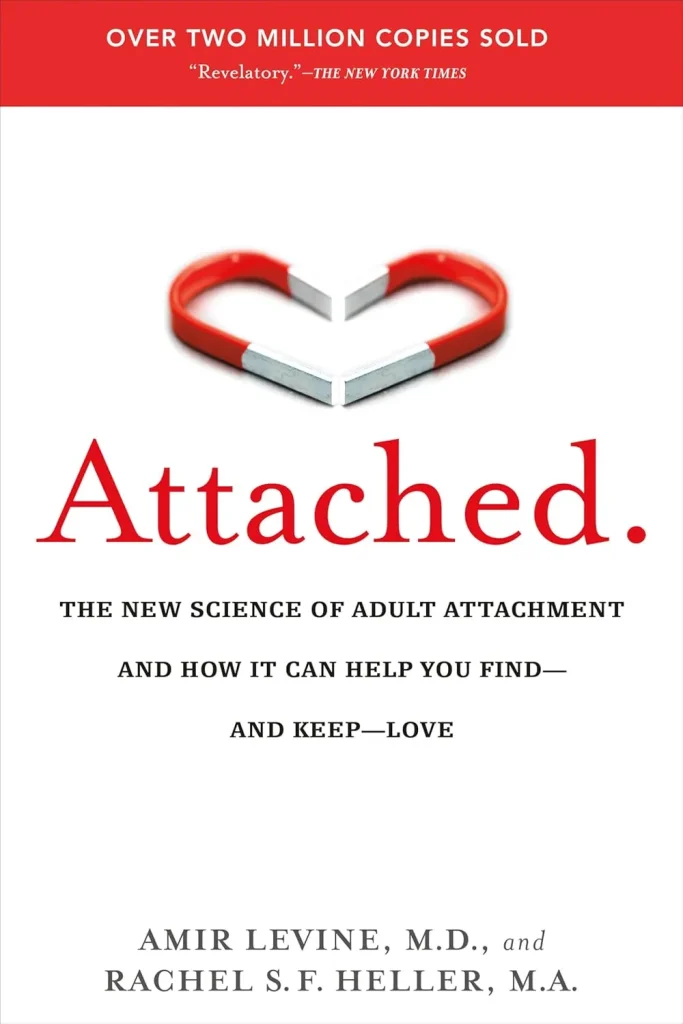
Best for: Understanding attachment styles and relationship patterns
Do you feel anxious when someone becomes distant, or pull away when a relationship starts getting serious? Attached introduces the adult attachment styles that can influence how people approach intimacy, respond to conflict, and seek reassurance. It can help you recognize recurring patterns in your relationships and better understand why two people may have very different needs for closeness.
Rather than treating every disagreement as a sign that something is wrong, this book gives you a framework for understanding how attachment patterns can affect your expectations and behavior.
2. The Awakened Woman’s Game Code by Grace Willow
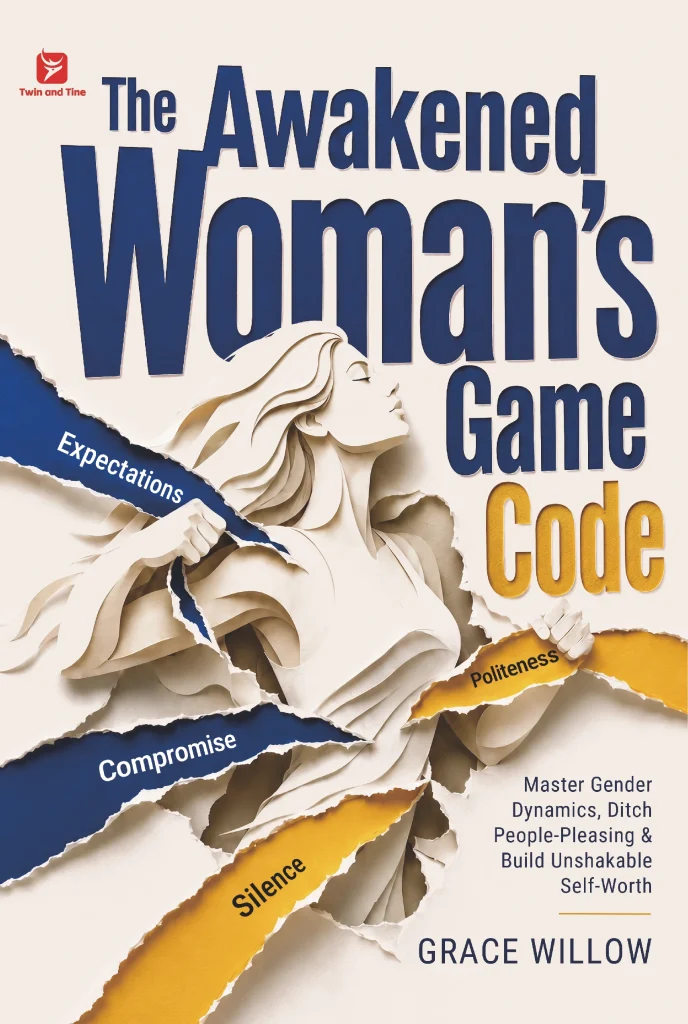
Best for: Building self-respect and avoiding one-sided relationships
You can be loving, loyal, and supportive and still find yourself taken for granted. Sometimes the problem is not how much you care, but how much you give while overlooking whether the other person is offering the same respect and commitment in return.
The Awakened Woman’s Game Code looks at the patterns behind attraction, relationship dynamics, personal boundaries, marriage, and self-worth. It challenges the habit of trying harder to earn someone’s attention, repeatedly explaining yourself to someone who will not listen, or making another person’s approval the measure of your value.
For women who want healthier relationships without losing their independence, this book offers a different perspective on being valued rather than simply being needed. It also addresses difficult dynamics at work, helping readers think more carefully about respect and how they respond to people who undermine them.
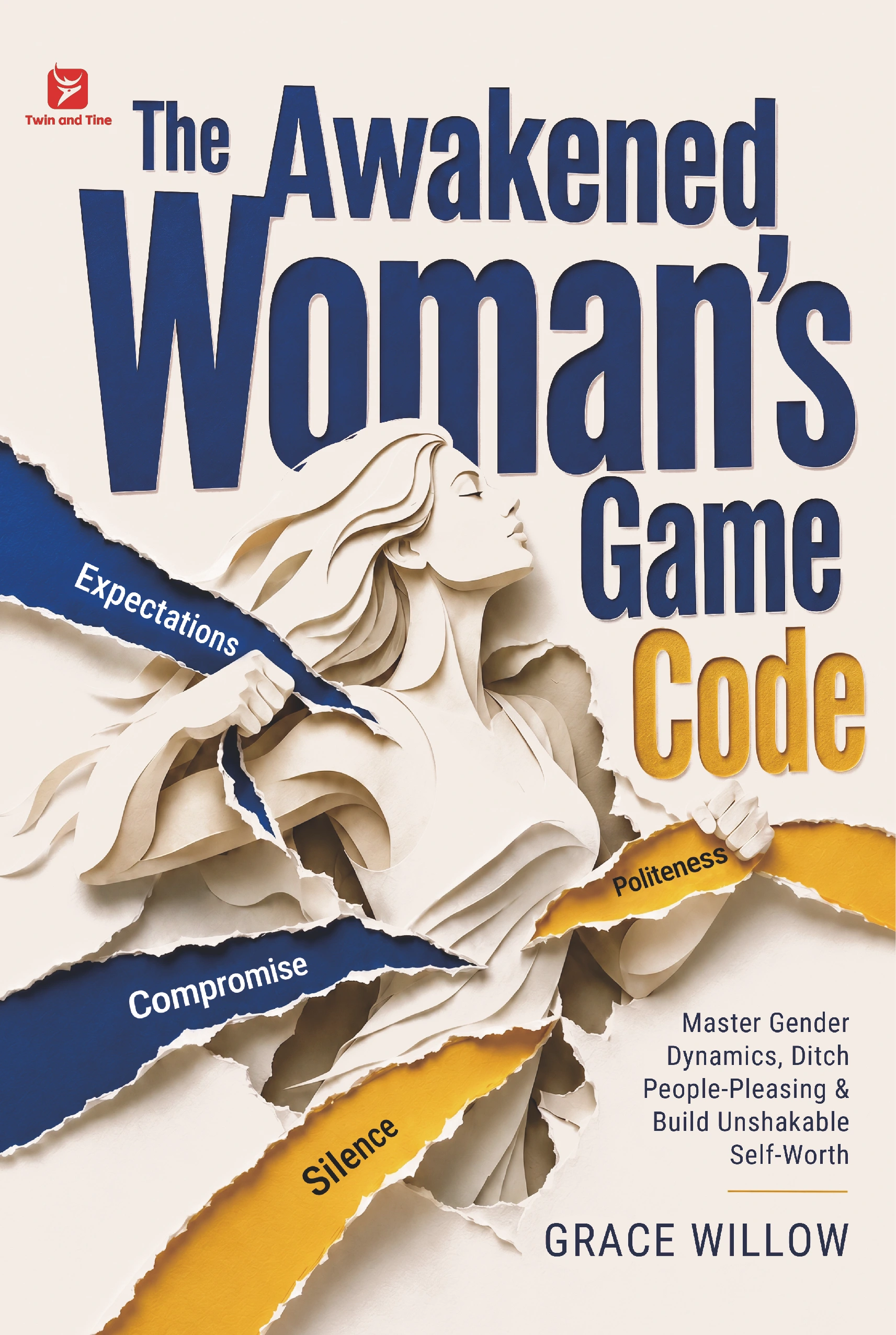
The Awakened Woman’s Game Code
Grace WillowBeing loved isn’t enough if you’re not respected.
Learn the hidden rules of attraction, boundaries, and relationship dynamics, and stop making yourself easy to take for granted.
3. Hold Me Tight by Sue Johnson
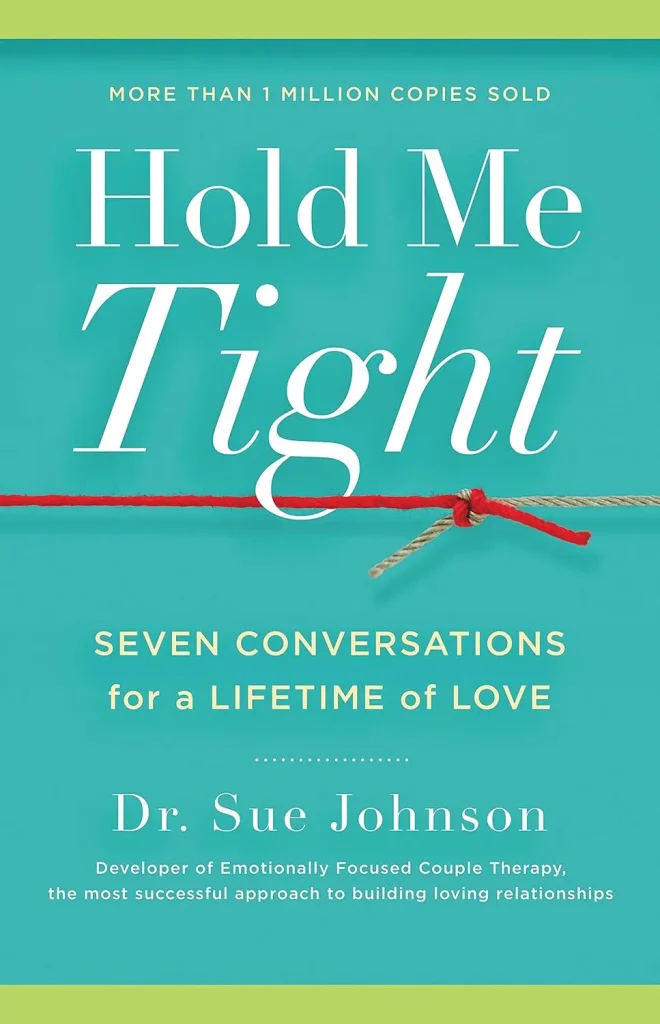
Best for: Rebuilding emotional connection with your partner
Sometimes couples love each other but keep falling into the same painful arguments. One person pushes for reassurance, the other withdraws, and both end up feeling misunderstood.
In Hold Me Tight, Sue Johnson draws on Emotionally Focused Therapy to explain how emotional insecurity can shape conflict between partners. The book presents conversations designed to help couples express their underlying fears and needs instead of getting stuck in cycles of blame or withdrawal.
It is especially useful for couples who want to feel closer, talk about difficult emotions, and rebuild a sense of security in their relationship.
4. The Seven Principles for Making Marriage Work by John Gottman and Nan Silver
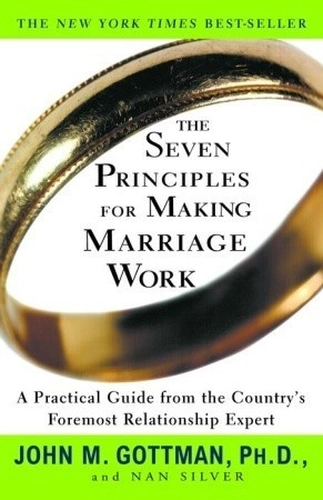
Best for: Strengthening a long-term relationship or marriage
A lasting relationship involves more than avoiding major problems. Everyday habits, unresolved resentment, criticism, and the way partners handle disagreements can gradually shape the quality of a marriage.
Based on John Gottman’s research on couples, this book discusses ways to strengthen friendship, manage conflict, maintain respect, and build shared meaning. It gives couples practical ideas for understanding each other better and addressing problems before they become entrenched patterns.
For people who want to improve an existing marriage rather than simply understand why relationships fail, this is a useful place to start.
5. Nonviolent Communication by Marshall B. Rosenberg
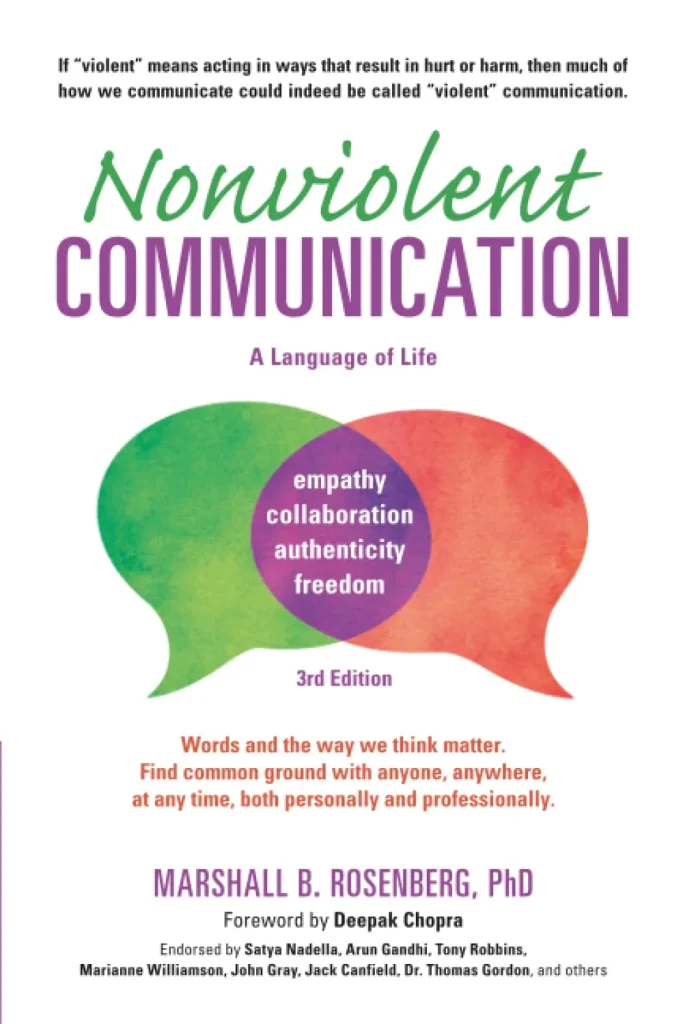
Best for: Expressing needs without turning every disagreement into a fight
Healthy communication does not mean avoiding anger or pretending that everything is fine. It means being able to explain what hurts, express what you need, and listen without immediately attacking or becoming defensive.
Nonviolent Communication introduces a framework for separating observations from judgments, recognizing feelings, identifying needs, and making clear requests. These skills can be useful when discussing recurring disagreements, expressing disappointment, or addressing behavior that crosses a personal boundary.
The book is relevant to romantic relationships, family relationships, friendships, and other situations where people want to be honest without making every difficult conversation more hostile.
6. The Dance of Anger by Harriet Lerner
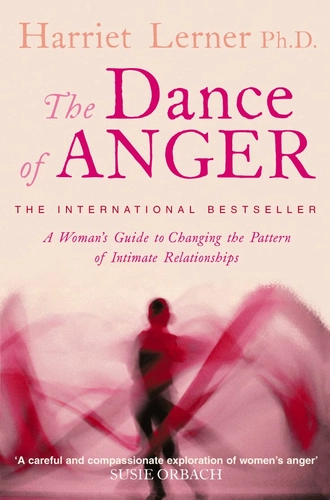
Best for: Changing unhealthy patterns in close relationships
If you repeatedly end up in the same arguments with a partner or family member, the problem may involve more than the latest disagreement. Established roles and expectations can keep people reacting to each other in predictable ways.
In The Dance of Anger, Harriet Lerner examines how women experience and express anger, particularly within close relationships. Rather than treating anger as something to suppress, the book encourages readers to understand what it signals and consider how they can change their own responses.
It can help readers think more clearly about resentment, overaccommodation, and the challenge of standing up for themselves without becoming trapped in familiar cycles of conflict.
7. How to Be an Adult in Relationships by David Richo
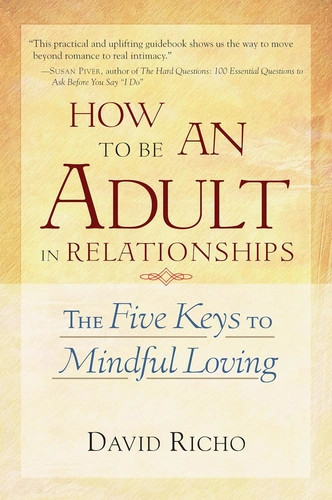
Best for: Developing greater emotional maturity and self-awareness
A healthy relationship requires more than finding the right person. It also involves understanding your own reactions, respecting another person’s individuality, and accepting that love cannot remove every uncertainty or disagreement.
David Richo explores relationships through five principles of mindful loving: attention, acceptance, appreciation, affection, and allowing. The book encourages readers to examine their expectations, become more aware of emotional habits, and approach intimacy with greater honesty and maturity.
It is a thoughtful choice for readers who want to understand their own contribution to relationship difficulties and develop a more grounded approach to love.
How to Choose the Right Book About Healthy Relationships
The best starting point depends on what you are struggling with most.
- If you want to understand your attachment patterns, start with Attached.
- If you keep giving more than you receive, consider The Awakened Woman’s Game Code.
- If you and your partner feel emotionally disconnected, read Hold Me Tight.
- If you want to strengthen your marriage, choose The Seven Principles for Making Marriage Work.
- If difficult conversations keep turning into arguments, try Nonviolent Communication.
- If you struggle with resentment or standing up for yourself, consider The Dance of Anger.
- If you want to develop a more mature approach to love, read How to Be an Adult in Relationships.
Build Relationships Without Losing Yourself
Healthy relationships are not built by one person doing all the compromising, apologizing, or emotional work. They require mutual effort, honest communication, and respect for each person’s needs and boundaries.
Learning how to understand your partner is important, but so is recognizing your own patterns and deciding what treatment you are willing to accept. If you often find yourself trying to prove your worth, giving more to keep someone close, or questioning whether you are truly valued, The Awakened Woman’s Game Code offers a perspective worth exploring.
Love matters. But so do respect, independence, and the ability to remain yourself in a relationship.
If you found this helpful, these books go deeper into the same themes.




Break the Anxiety Circle
$19.90

From Debt to Wealth
$19.90

