Being assertive can sound simple until you have to do it with someone whose opinion matters to you. You want to tell a coworker that you cannot take on another task, ask your partner for more support, or disagree with a friend without making things awkward. Instead, you soften your words, explain yourself repeatedly, or agree to something you already know you do not want to do.
Assertive communication helps you express your thoughts, needs, and limits clearly while respecting the other person. It is different from being aggressive, and it does not require you to become blunt or confrontational. The right books can help you recognize unhelpful communication habits and practice language that feels both honest and considerate.
Here are five books worth considering in 2026, each approaching assertiveness and boundaries from a different angle.
1. When I Say No, I Feel Guilty by Manuel J. Smith
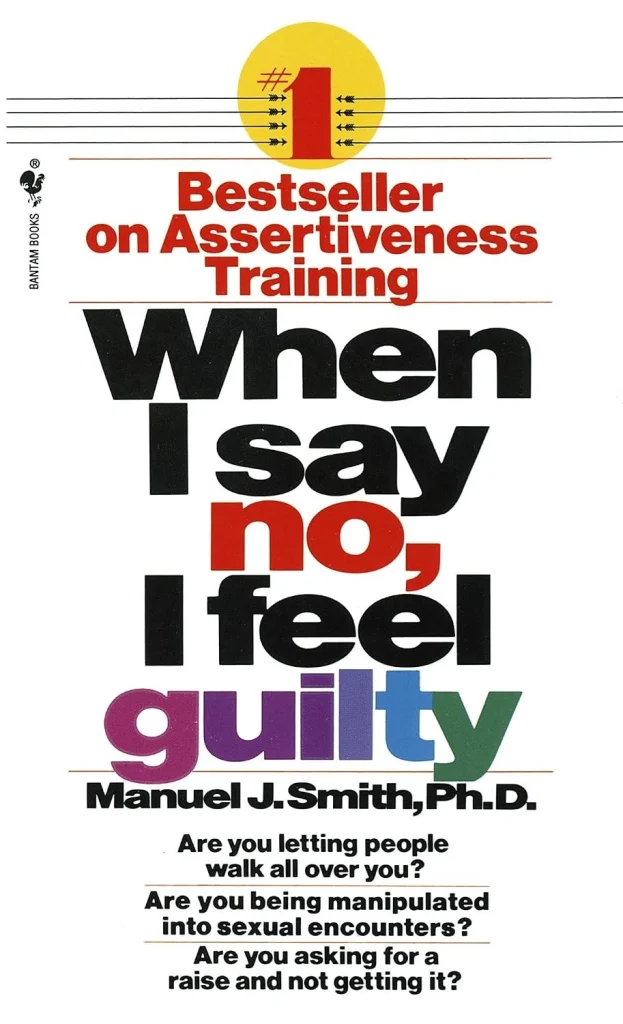
Best for: Saying no without excessive guilt
Many people struggle to set boundaries because they feel responsible for other people’s reactions. They say yes to avoid disappointing someone, then feel resentful when their own time and energy are stretched too thin.
When I Say No, I Feel Guilty introduces assertiveness techniques for handling pressure, responding to unreasonable requests, and standing by personal decisions. It helps readers recognize that being respectful does not mean agreeing with everyone or providing a long defense for every choice.
The book is particularly relevant to situations where someone challenges your boundaries or makes you feel selfish for declining a request. Its techniques can help you respond more deliberately instead of giving in simply to end an uncomfortable exchange.
2. Say It Right Every Time by Miles Carter
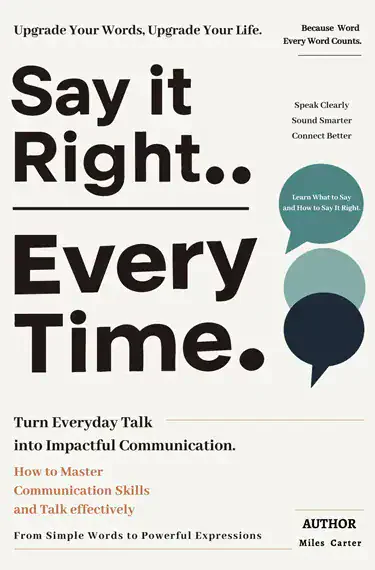
Best for: Expressing needs clearly without sounding harsh or apologetic
Knowing that you need a boundary is one thing. Finding the right words when emotions are involved can be much harder. You may know that a conversation needs to happen, but worry that your wording will sound demanding, hurtful, or unnecessarily defensive.
Say It Right Every Time by Miles Carter focuses on practical communication scripts and frameworks for everyday situations. Its 115 scripts and 15 communication frameworks cover expressing needs, setting boundaries, disagreeing respectfully, making requests, responding under pressure, and communicating with greater clarity.

Say it Right..Every Time.
Miles CarterPractical communication tools for the moments that matter — say what you mean, calmly and confidently.
Instead of relying on vague hints or lengthy explanations, readers can learn to state what they mean in a way that is direct without being dismissive. The book also addresses people-pleasing and calm responses, making it useful for those who tend to lose their words when a conversation becomes tense.
For example, rather than saying, “Sorry, I know you’re busy, and I don’t want to be difficult, but maybe I can’t do that,” a clearer response might be, “I can’t take this on today, but I can help you look at it tomorrow.” The boundary is understandable, and the tone remains considerate.
For readers who want practical wording they can adapt to real conversations, this book offers a direct starting point.
3. The Assertiveness Workbook by Randy J. Paterson
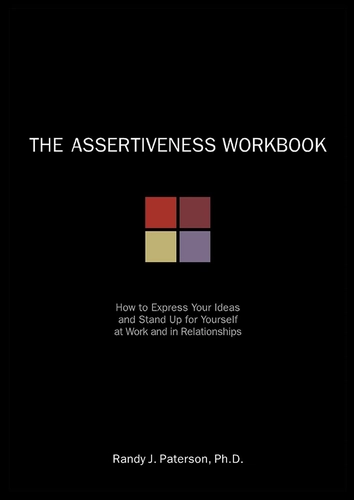
Best for: Practicing assertiveness as a repeatable skill
Some people understand the principles of assertiveness but struggle to use them when the moment arrives. They may avoid eye contact, apologize unnecessarily, or become defensive when someone disagrees with them.
The Assertiveness Workbook takes a skills-based approach, using exercises to help readers identify their communication patterns and practice more effective responses. It explores how beliefs, anxiety, and interpersonal habits can make it difficult to speak up.
The workbook format makes it suitable for readers who want more than general advice. You can work through situations that feel uncomfortable, examine the thoughts that hold you back, and gradually build confidence through practice.
It is a useful choice if you want a structured way to develop assertiveness over time rather than looking for a quick collection of phrases.
4. Boundaries by Henry Cloud and John Townsend
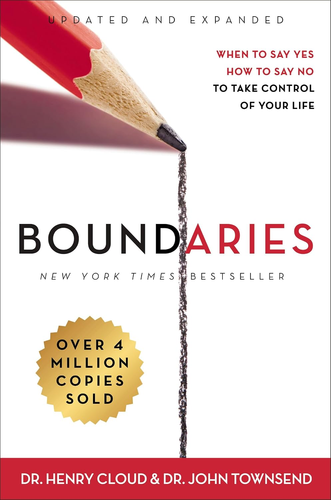
Best for: Understanding personal limits in close relationships
Boundaries can become complicated when affection, responsibility, and expectations overlap. You might feel obligated to answer every family request, solve a friend’s recurring problems, or accept behavior that leaves you emotionally drained.
Boundaries explores how people can define their responsibilities and recognize where those responsibilities end. It discusses how to communicate limits and manage the reactions that may follow when familiar patterns begin to change.
Although the book approaches boundaries through a Christian perspective, its focus on personal responsibility and relationships may appeal to readers who want to examine why they find it difficult to say no.
It is especially relevant when assertiveness involves ongoing relationships rather than a single conversation.
5. Crucial Conversations by Kerry Patterson, Joseph Grenny, Ron McMillan, Al Switzler, and Emily Gregory
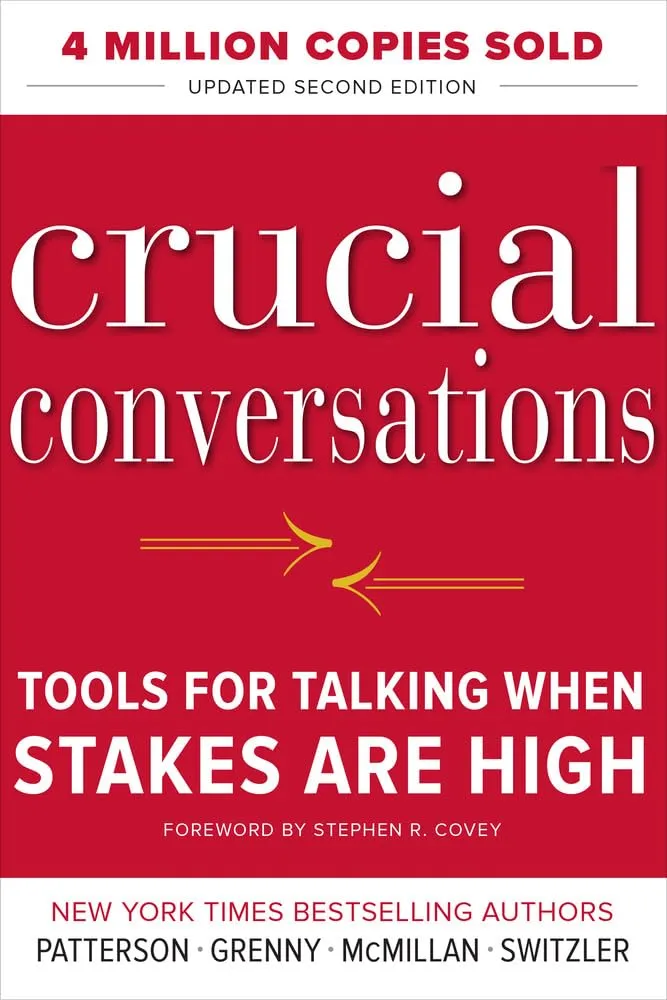
Best for: Speaking clearly when the stakes are high
A conversation becomes much harder when the outcome matters. You might need to address a colleague’s repeated mistakes, discuss an unresolved issue with your partner, or challenge a decision without damaging an important relationship.
Crucial Conversations focuses on handling discussions where opinions differ, emotions run high, and the consequences matter. It offers strategies for keeping dialogue productive, making it safer for people to speak honestly, and addressing disagreements without turning them into personal attacks.
The book is less about saying no to every request and more about maintaining a constructive conversation when people have different expectations or priorities. It can complement assertiveness skills by helping readers communicate firmly while remaining open to another person’s perspective.
How to Choose the Right Book for Your Communication Needs
The most useful starting point is the situation where you struggle to speak up. If guilt makes it difficult to refuse requests, focus on assertiveness and saying no. If you know what you want to communicate but cannot find the words, a practical script-based book may be more helpful. If you tend to avoid difficult discussions altogether, look for guidance on handling disagreement and emotionally charged conversations.
You do not need to become outspoken in every situation to communicate assertively. The goal is to make your meaning clear without dismissing someone else’s perspective or abandoning your own needs.
Did this article help you see things differently? Our books turn helpful ideas into practical tools you can return to anytime.



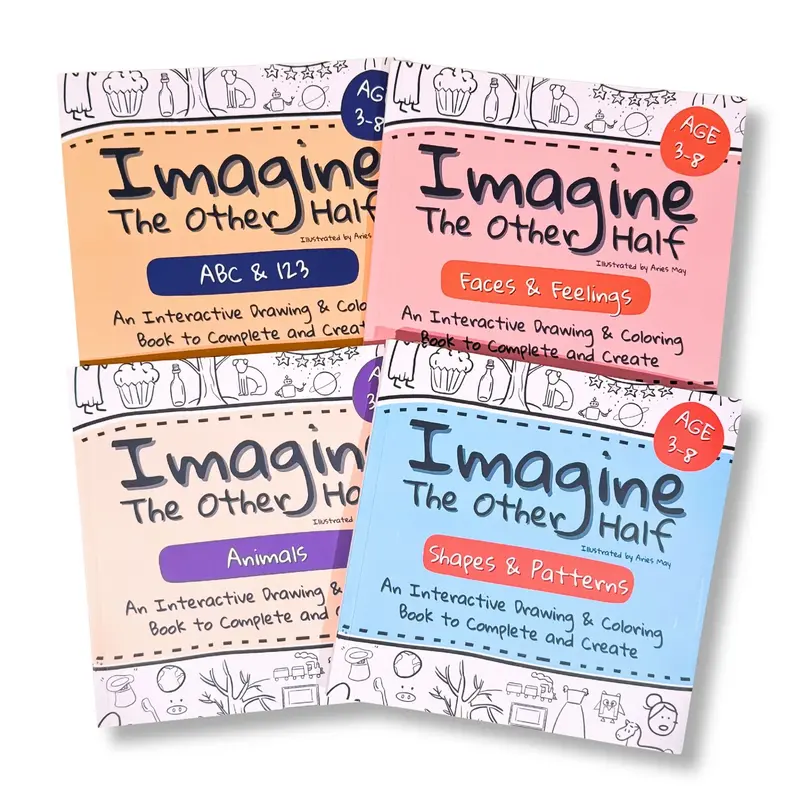
Imagine The Other Half
$24.99

