
Just a reminder.
Being wanted and being valued are two separate things.
Someone can find you attractive. Someone can enjoy your company. Someone can text you good morning and tell you you look beautiful and still not see you—not really. Not the person behind the face. Not the mind behind the conversation. Not the values that shape your decisions or the parts of you that have nothing to do with how you look in a photograph.
Looks are everywhere. Attraction is common. Being wanted is not rare.
But being valued? That is different.
What It Actually Means to Be Valued
Being valued is not about how often someone compliments you. It is not about how quickly they respond or how much they seem to like you in the beginning.
Being valued is about whether the person in front of you sees you clearly—and whether they treat what they see with care.
This is not something you can measure by how they look at you. It is something you measure by how they treat you when you are not performing. When you are tired. When you disagree. When you have a need that inconveniences them. When you are not the easiest version of yourself to be around.
That is where value reveals itself. Not in the beginning, but in the middle. Not in the excitement, but in the ordinary.
Why High Value Is Not What You Think
Many people assume that high value is about external qualities. Looks. Achievements. Height. Job status. Social proof. The things that can be listed on a profile or noticed in a room.
But the qualities that make someone truly valuable are rarely the ones that show up in a first impression.
They are emotional availability. The capacity for closeness. Communication skills. The ability to repair after a conflict. Kindness that does not need an audience.
These are not flashy traits. They do not photograph well. They do not make for impressive stories. But they are the things that determine whether a relationship can survive the end of the chase.
And the same is true for you. Your value is not in your appearance, your accomplishments, or how easily you can be admired from a distance. Your value is in the things that make you a person worth building a life with.
Knowing Your Value While Dating: What It Looks Like
1. You Stop Confusing Attention with Investment
Attention is easy. It costs almost nothing. A text. A compliment. A like. A message that says all the right things without requiring any real effort.
Investment is different. Investment costs something. Time. Consistency. The willingness to show up when it is not convenient. The ability to handle conflict without disappearing. The choice to prioritize you when something else is easier.
When you know your value, you stop treating attention as proof of interest. You start looking at what someone invests—not what they say.
2. You Do Not Perform for Approval
Dating can easily become a performance. You present the best version of yourself. You laugh at the right moments. You agree more than you need to. You swallow the parts of you that might be too much, too complicated, or too honest.
Knowing your value means you stop auditioning. You show up as yourself—not the curated version designed to be chosen. Because you understand that being chosen for the performance is not the same as being chosen for the person.
3. You Notice When You Are Being Used to Fill a Gap

Some people are not looking for a partner. They are looking for a solution. Someone to fill their free time, soothe their loneliness, boost their ego, or take care of the things they do not want to handle themselves.
When you know your value, you stop accepting roles that reduce you to a function. You do not need to be needed to feel valuable. You already are.
4. You Set Standards Before You Need Them
Most people set standards in the middle of a situation—after they have already invested, already attached, already started to care.
Knowing your value means setting standards before you meet someone. What are you available for? What are you not? What kind of relationship are you looking for, and what are you no longer willing to settle for?
These questions are easier to answer before you are emotionally involved. Once you are, the lines blur.
Why It Is Hard to See Your Own Value When Dating
Dating has a way of distorting self-perception. A warm response can lift you. A slow reply can deflate you. Your sense of worth starts to fluctuate based on someone else’s attention—which is precisely the wrong thing to let it depend on.
This is why knowing your value while dating is not just about what you say to yourself. It is about recognizing the patterns that keep you seeking validation from someone who has not earned that authority.
The person who values you will not make you prove it. The person who values you will not require you to shrink into a version of yourself that fits their convenience. The person who values you will show up—consistently—even after the novelty fades.
And if they do not, that is not a sign that your value is diminished. It is a sign that you are looking for value in the wrong place.
This is the exact pattern that The Awakened Woman’s Game Code by Grace Willow was written to help you break.
How The Awakened Woman’s Game Code Helps You Know Your Value
Most dating advice tells you how to attract someone. The Awakened Woman’s Game Code helps you understand why you keep attracting people who do not value you—and how to change that.
Grace Willow does not offer tricks to make someone commit. She does not promise that if you follow a set of rules, you will never be taken for granted again. Instead, she looks at the hidden dynamics that shape attraction, respect, and commitment—and helps you see them before they cost you.
The book examines why being wanted is not the same as being chosen. It looks at how availability and accommodation can quietly erode your value in someone else’s eyes. And it challenges the belief that love must be earned through self-sacrifice.
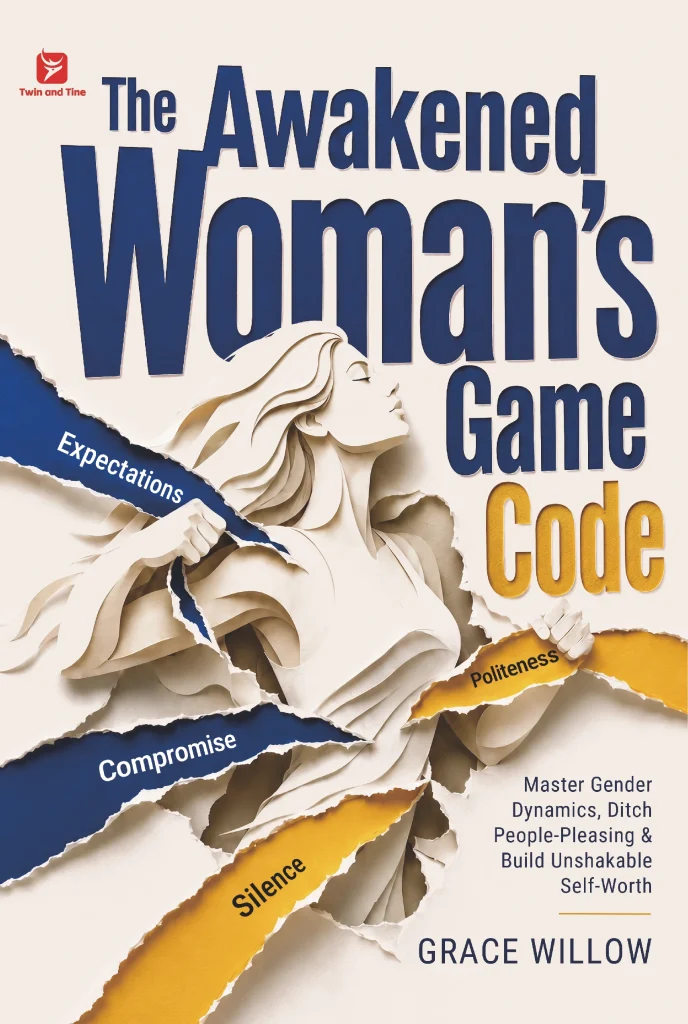
What makes this book different is its focus on self-possession. It does not tell you to demand respect. It shows you how to become someone who naturally receives it. It does not tell you to chase commitment. It helps you understand why you have been chasing it—and what changes when you stop.
If you have been trying to know your value by being more of what someone else wants, this book offers a different way. Not more effort. A different foundation.
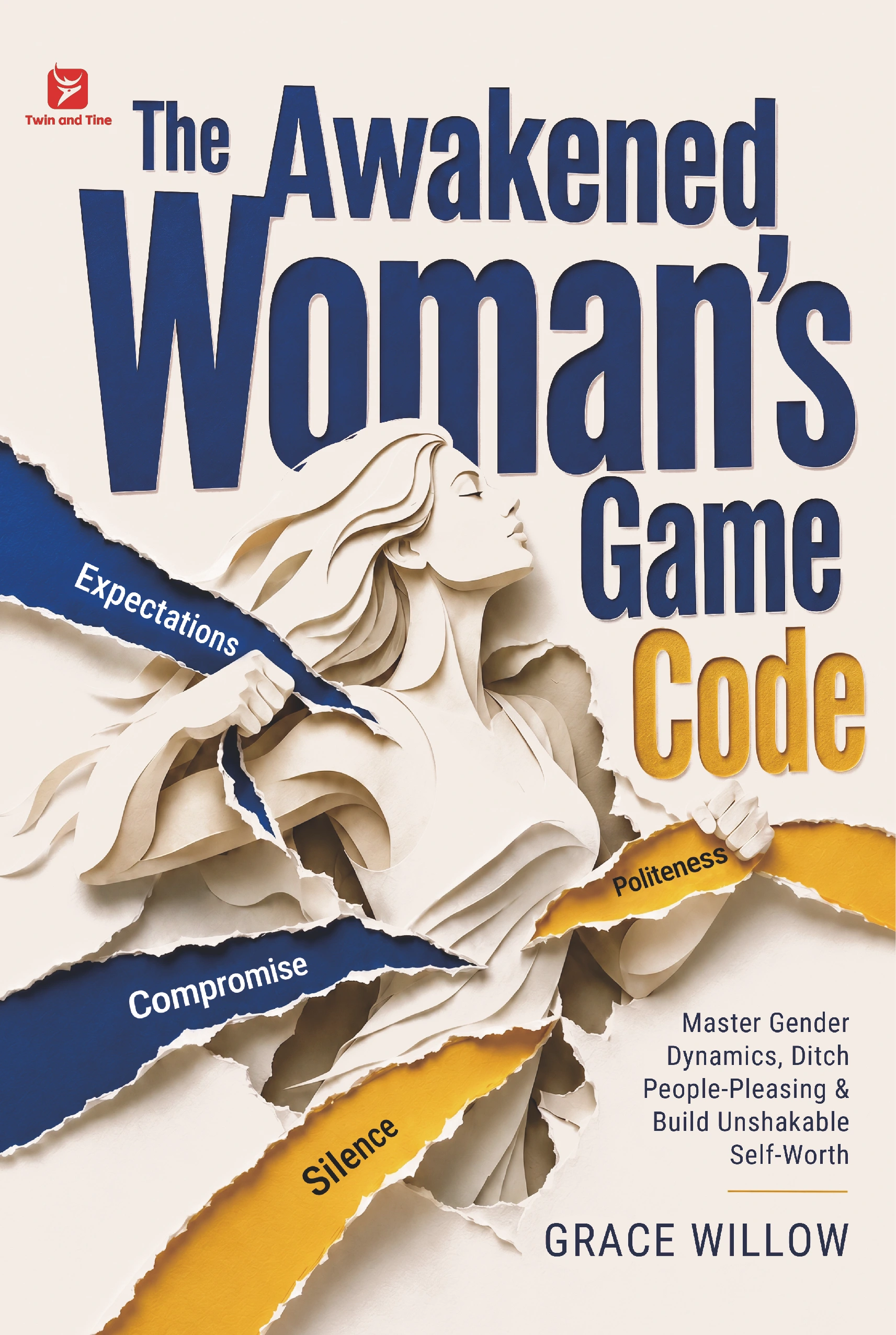
The Awakened Woman’s Game Code
Grace WillowBeing loved isn’t enough if you’re not respected.
Learn the hidden rules of attraction, boundaries, and relationship dynamics, and stop making yourself easy to take for granted.
Final Thoughts: A Summary on Knowing Your Value While Dating
Being wanted and being valued are not the same thing. Someone can find you attractive and still not see you clearly. Someone can enjoy your company and still not treat you with care.
Knowing your value means understanding that the qualities that make you worth building a life with are not the ones that show up in a first impression. They are the ones that show up over time.
If you are ready to go deeper, The Awakened Woman’s Game Code by Grace Willow offers a clear, honest guide to understanding the patterns that keep you seeking validation—and building a sense of worth that does not depend on being wanted.
FAQ: Knowing Your Value While Dating
How do I know if someone values me or just wants me?
Look at what they invest, not what they say. Do they show up consistently? Do they handle conflict without disappearing? Do they prioritize you when it costs them something?
What if I do not feel valuable?
You do not have to feel it first. Start with the practice. Set standards before you need them. Notice when you are performing for approval. Treat yourself as valuable, and the feeling will follow.
Is it possible to value yourself while dating without becoming guarded?
Yes. Valuing yourself is not about building walls. It is about knowing what you are available for and what you are not. Boundaries and openness can coexist.
What if someone loses interest when I stop being available?
That is not a loss. That is the pattern revealing itself. Someone who only valued your convenience was never valuing you.

