Being good at your job does not automatically give you influence. You can deliver excellent work and still be overlooked for promotions, struggle to get colleagues on board, or watch your ideas lose out to someone else’s. In many workplaces, results depend not only on what you know, but also on how decisions get made, whose support you have, and how effectively you communicate.
The best books about influencing people at work offer different ways to navigate these challenges. Some explain how power operates inside organizations, while others show you how to gain cooperation, make ideas memorable, or negotiate when interests conflict.
1. Power: Why Some People Have It—and Others Don’t by Jeffrey Pfeffer

Best for: Understanding how workplace power really works
Doing excellent work does not guarantee that the right people will notice it. Jeffrey Pfeffer challenges the assumption that competence alone leads to career success, examining how reputation, visibility, relationships, and organizational politics affect who gains influence. Rather than offering idealistic advice about simply working harder, this book looks at how power is actually acquired and exercised inside organizations. It’s especially useful for professionals who want to understand why some people advance while equally capable colleagues remain overlooked.
2. Awakening to Human Nature by Owen Pierce

Best for: Recognizing the motives behind colleagues’ behavior
A coworker’s objection may sound like a disagreement over strategy, but the real issue could be competition, personal recognition, or a threat to their position. Awakening to Human Nature examines the hidden motives, emotional pressures, and self-serving tendencies that influence human behavior. It helps readers look beyond surface-level explanations and recognize patterns that may otherwise be difficult to interpret. For professionals navigating office dynamics, this perspective can help them assess situations more carefully, anticipate resistance, and make better judgments about whom to trust.

Awakening to Human Nature
Owen PierceYou saw the signs. You just didn’t know what they meant yet.
Learn how to notice the patterns behind people’s words, choices, loyalty, pressure, and changing behavior.
3. Influence Without Authority by Allan R. Cohen and David L. Bradford
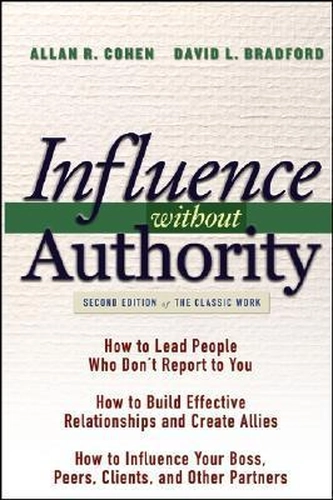
Best for: Getting cooperation when you aren’t the boss
You may be responsible for a project without having the authority to tell anyone what to do. Cohen and Bradford address this common workplace problem through an approach based on exchange: people are more willing to cooperate when they receive something they genuinely value. That might mean useful information, professional support, access to resources, or help with a competing priority. Instead of relying on job titles or repeatedly asking for favors, readers learn to identify what matters to their colleagues and build mutually beneficial working relationships.
4. Made to Stick by Chip Heath and Dan Heath

Best for: Making your ideas memorable and convincing
Some ideas get repeated long after a meeting ends, while others disappear almost immediately. In Made to Stick, the Heath brothers examine why certain messages capture attention and remain memorable. They explain how to make ideas simpler, more concrete, more credible, and easier for people to understand. These principles are useful when presenting a proposal, explaining a complicated process, or trying to make sure a team remembers the point behind your recommendation. The focus is not office politics; it is making your message clear enough to influence what people think and do.
5. The Art of Woo by G. Richard Shell and Mario Moussa
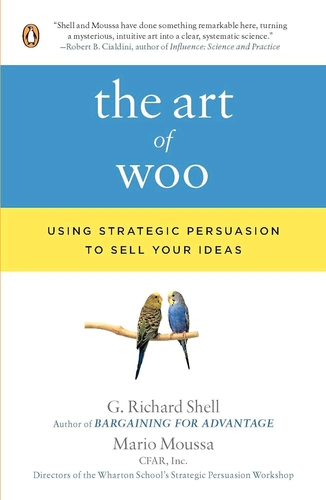
Best for: Winning support for ideas across different personalities
A proposal can be logical and well researched yet still fail to gain support. The Art of Woo focuses on the work that happens before and during persuasion: understanding your audience, building the right relationships, and presenting an idea in a way that connects with other people’s interests. Its approach is particularly relevant when you need approval from several stakeholders who have different priorities. Rather than assuming one strong argument will convince everyone, the book helps readers think more strategically about how to bring people around to an idea.
6. The Catalyst by Jonah Berger

Best for: Helping resistant colleagues reconsider their position
When a colleague rejects a proposal, adding more arguments or pushing harder may only deepen their resistance. Jonah Berger explores the barriers that prevent people from changing their minds, including uncertainty, habit, and the perceived risks of doing something differently. The Catalyst encourages readers to identify what is holding someone back instead of simply increasing pressure. This is especially useful when introducing a new process, advocating for a change in strategy, or working with teammates who are reluctant to abandon familiar routines.
7. Getting to Yes by Roger Fisher, William Ury, and Bruce Patton
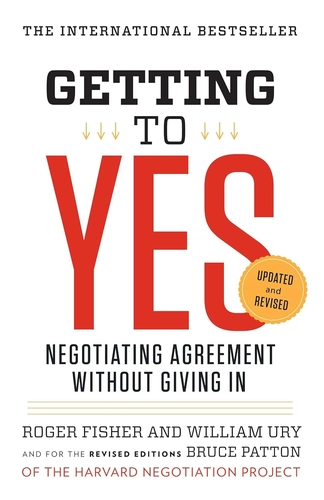
Best for: Negotiating when workplace interests clash
Influence becomes more difficult when both sides want different things. You may need to negotiate deadlines, resolve disagreements over resources, or reach an agreement with a manager whose priorities differ from yours. Getting to Yes presents a negotiation method built around separating people from the problem, identifying underlying interests, and looking for options that can benefit both sides. Its central value is practical: instead of treating every disagreement as a contest to win, readers learn to work toward agreements that address the real issues.
Which Book Should You Read First?
Choose based on the workplace challenge you want to solve:
- You do good work but struggle to advance: Start with Power.
- You have trouble interpreting colleagues’ intentions: Read Awakening to Human Nature.
- You need cooperation from people you don’t manage: Choose Influence Without Authority.
- Your ideas are often forgotten or misunderstood: Try Made to Stick.
- You need several people to support a proposal: Read The Art of Woo.
- Your team resists change: Start with The Catalyst.
- You face competing priorities or difficult agreements: Choose Getting to Yes.
Influence at work is not one skill. Understanding organizational power, reading people’s motives, communicating clearly, and negotiating competing interests all require different approaches. Start with the challenge that affects your work most, then build from there. The goal is not to control every conversation, but to become more effective at navigating the people and decisions that shape your professional life.
If you found this helpful, these books go deeper into the same themes.




Break the Anxiety Circle
$19.90

From Debt to Wealth
$19.90

