The Conversation You Keep Replaying
You remember the exact words you used during an argument. You think about the job you turned down, the relationship you stayed in, or the opportunity you never pursued. The situation may be long over, yet your mind keeps returning to it as if finding the right explanation could somehow produce a different ending.
Regret can offer useful information. It may show you that you value honesty, that you need firmer boundaries, or that you want to take a different approach next time. The difficulty begins when reflection stops producing new understanding and turns into the same cycle of self-blame.
A journal can help, but the best format depends on what you need. Do you want to write honestly about the past, learn to treat yourself more kindly, or work out what to do next? These five books approach those needs differently.
1. Burn After Writing by Sharon Jones
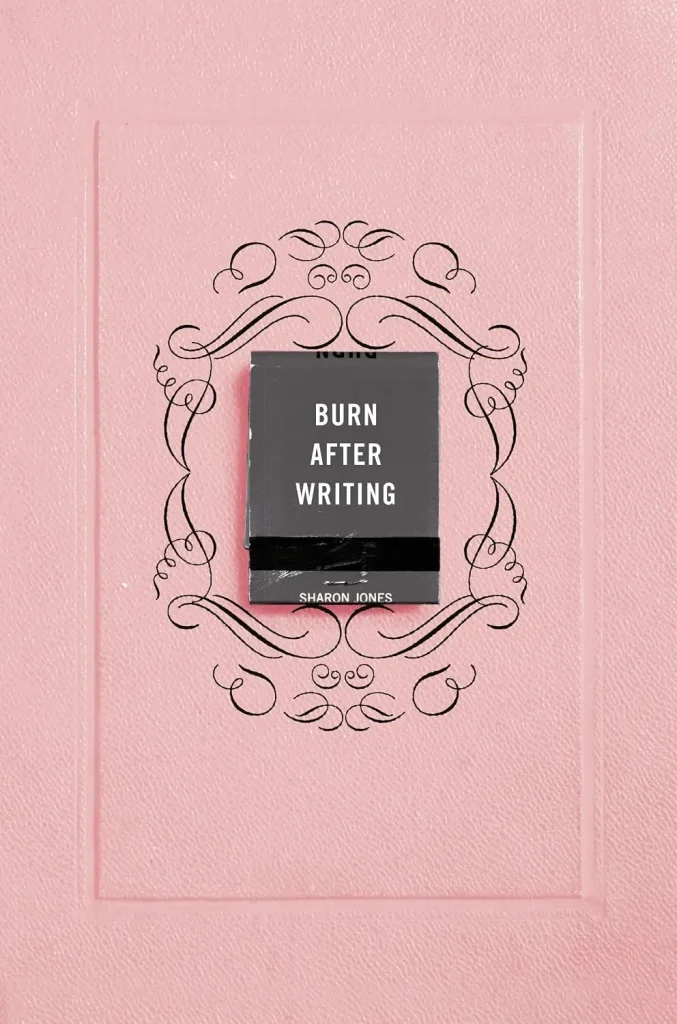
Best for getting difficult thoughts onto the page
When a regret keeps circling in your mind, it can be hard to separate what happened from what you wish had happened. Burn After Writing uses direct questions about the past, present, and future to encourage honest self-examination.
Its informal format gives readers prompts to respond to rather than requiring them to build a long entry from scratch. That can be useful if you want to put private thoughts into words but do not know where to start.
What stands out
- Uses direct questions to encourage reflection.
- Covers personal experiences and future hopes.
- Offers a straightforward format for readers who prefer prompts.
Potential drawback
Some questions are personal and direct, and the style may feel too informal for readers who prefer a more structured self-help approach.
2. 777 Little Moments in My Life: Heal Your Heart, Mend the Relationship and Elevate Your Thinking by Grace Willow

Best for understanding regret as part of a larger life story
Regret is not always about one mistake. Sometimes it is tied to a relationship that changed you, a period when you ignored your own needs, or a decision that still affects the way you see yourself. Looking at one event in isolation may not answer all the questions it raises.
Grace Willow’s 777 Little Moments in My Life explores personal memories, emotional healing, relationships, self-acceptance, and the lessons found in everyday experiences. Its broader scope allows readers to reflect on a difficult choice while also considering what that experience taught them about their values, boundaries, and relationships.
This is a different approach from a journal devoted entirely to self-forgiveness. Rather than offering a specific regret-processing program, it provides space to consider how past experiences fit into your continuing personal journey.
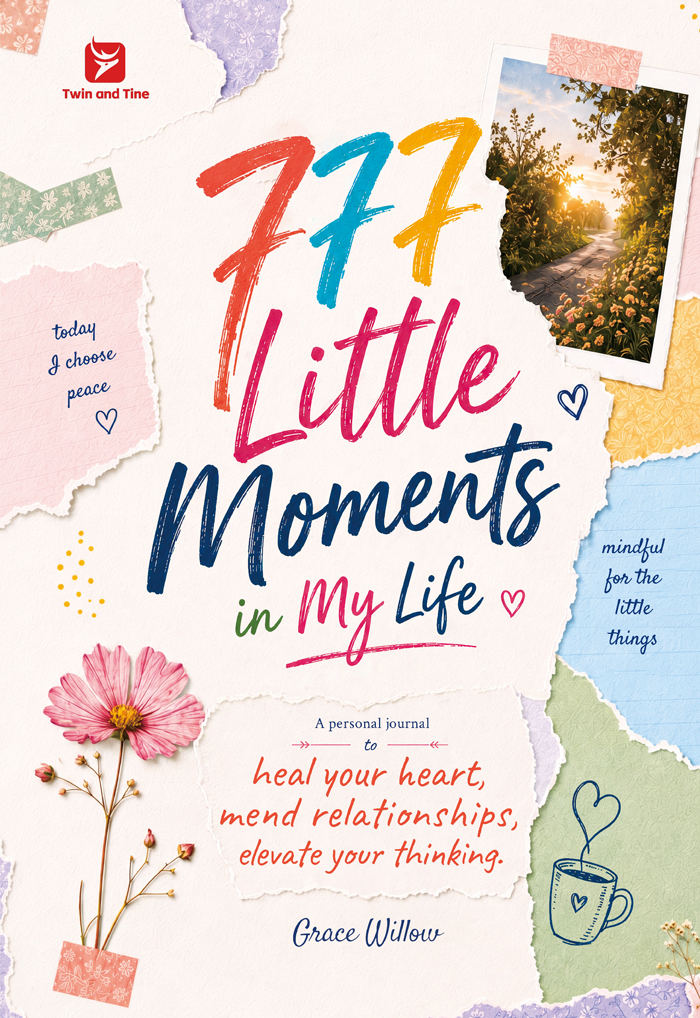
777 Little Moments in My Life
Grace Willow777 prompts to unpack old wounds, release buried emotions, and understand yourself more deeply.
What stands out
- Connects past experiences with relationships and personal growth.
- Offers room to reflect on both painful memories and ordinary life lessons.
- May suit readers whose regrets are connected to several areas of life.
Potential drawback
It is not a step-by-step workbook for overcoming regret. Readers who want a defined sequence of self-forgiveness exercises may prefer a more specialized resource.
3. The Self-Compassion Daily Journal by Diana Hill
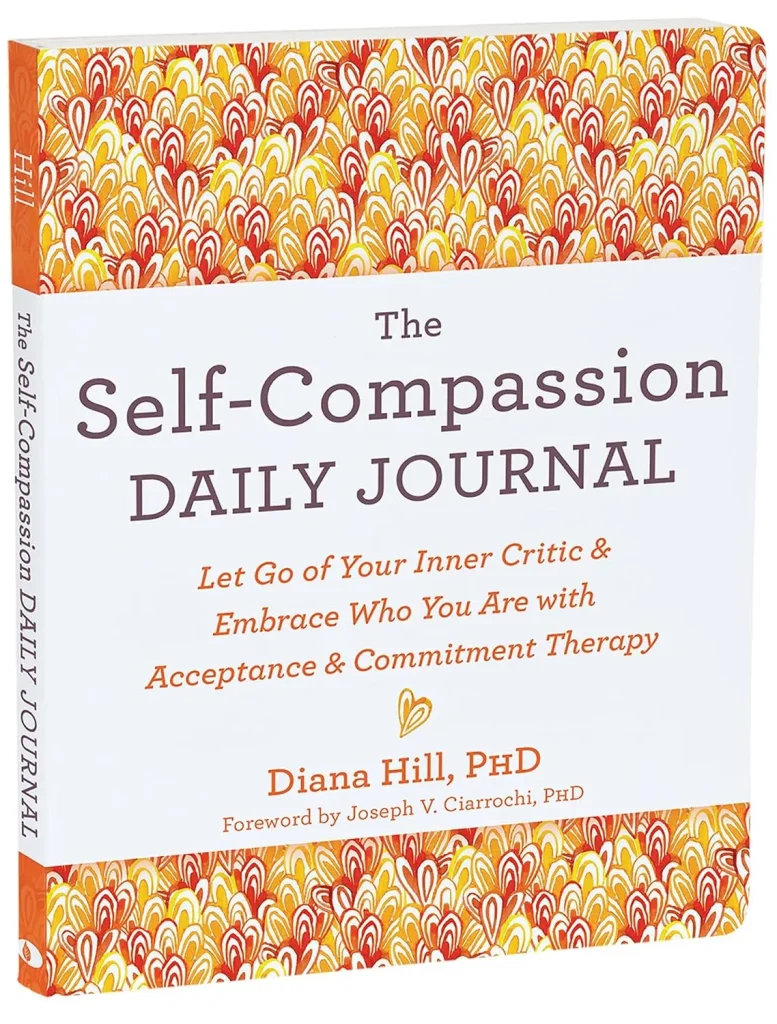
Best for people who judge themselves harshly
There is a difference between recognizing that you made a mistake and deciding that the mistake says something permanent about who you are. The second response can make regret much harder to resolve because every memory becomes another reason to criticize yourself.
Diana Hill’s The Self-Compassion Daily Journal uses an approach informed by Acceptance and Commitment Therapy (ACT) to help readers work with self-criticism and develop a more accepting relationship with their thoughts and feelings. It is relevant to regret because learning from a mistake can be difficult when shame dominates the process.
What stands out
- Focuses on self-compassion and the inner critic.
- Offers a more structured approach than free writing alone.
- May suit readers who struggle to treat themselves fairly after mistakes.
Potential drawback
Its primary focus is self-compassion, not reviewing specific past events. If you want to examine the details of a particular experience, you may need a more open-ended journal alongside it.
4. The Next Right Thing Guided Journal by Emily P. Freeman
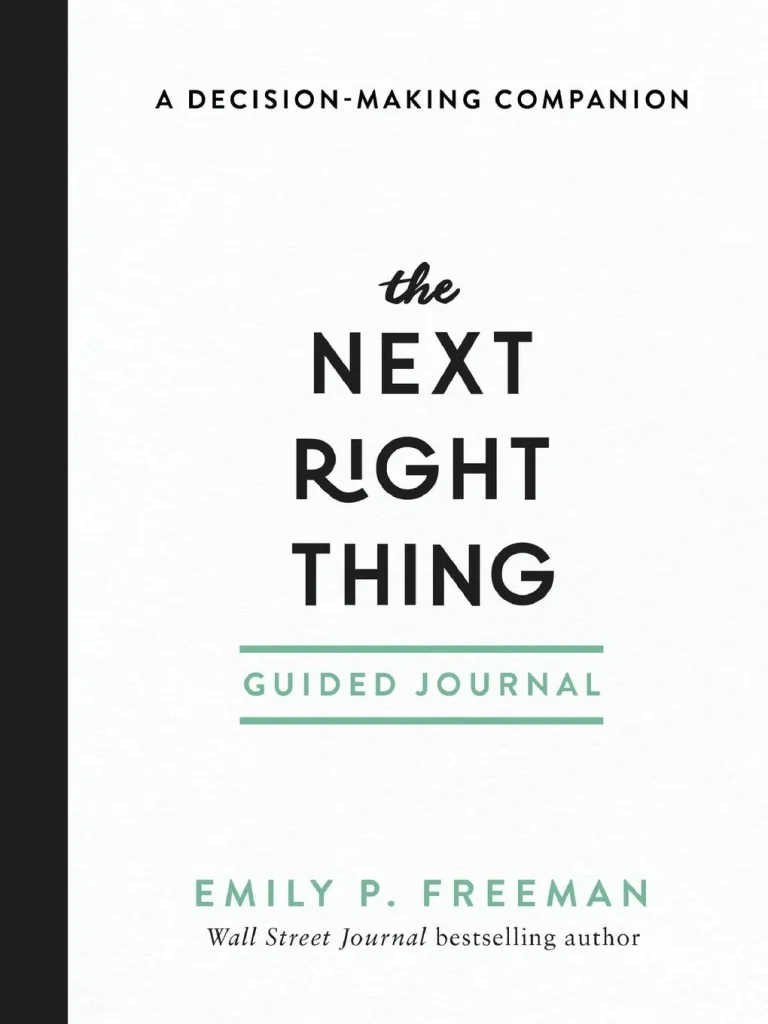
Best for moving from reflection to a decision
Sometimes the most frustrating part of regret is not knowing what to do now. You may be unsure whether to apologize, reconnect with someone, change a habit, or accept that a particular opportunity has passed.
Emily P. Freeman’s The Next Right Thing Guided Journal centers on reflection and decision-making. It is not specifically a regret journal, but its emphasis on finding a next step may be useful when you have spent enough time looking back and need help thinking about the present.
What stands out
- Connects reflection with practical decision-making.
- May suit readers who feel stuck between possible next steps.
- Encourages attention to what can still be done.
Potential drawback
It does not focus specifically on regret or self-forgiveness. Readers who primarily want to explore memories and emotional reactions may prefer a more reflective format.
5. Let That Sh*t Go by Monica Sweeney
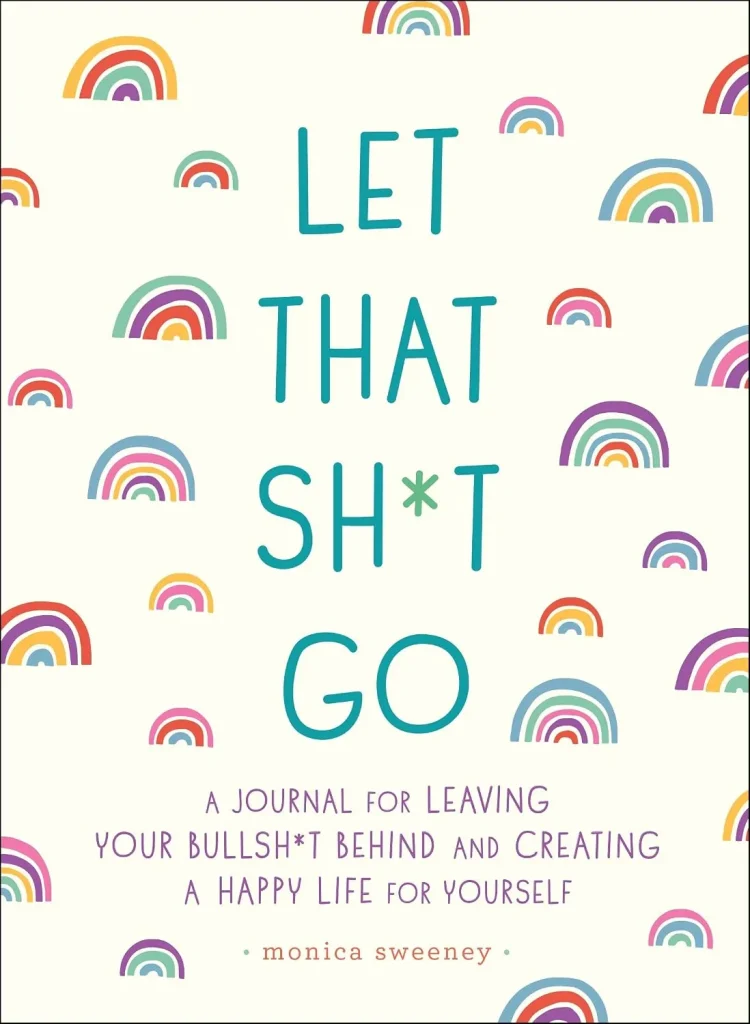
Best for readers who prefer a humorous, informal style
Not everyone wants a serious workbook when they are trying to change their relationship with old frustrations. Let That Sht Go* uses humor, prompts, and motivational passages to encourage readers to examine the thoughts and habits they want to leave behind.
Its casual tone may make writing feel less intimidating, particularly for people who are new to journaling. It is not intended to replace a specialized resource for deep emotional difficulties, but it offers a different style for readers who prefer a less formal experience.
What stands out
- Uses humor to make reflection feel approachable.
- Encourages readers to look at recurring thoughts and habits.
- Offers an informal alternative to traditional self-help writing.
Potential drawback
The humor may not suit readers dealing with painful or complex regrets. Those readers may prefer a more serious and structured approach.
Comparing These Journals by What You Need Most
| Journal | Main purpose | Best fit |
|---|---|---|
| Burn After Writing | Honest self-examination | You need prompts to express what you have been thinking |
| 777 Little Moments in My Life | Broad reflection and growth | You want to understand how past experiences fit into your life |
| The Self-Compassion Daily Journal | Working with self-criticism | You keep blaming yourself for past mistakes |
| The Next Right Thing Guided Journal | Decision-making | You need to work out your next step |
| Let That Sh*t Go | Informal reflection | You prefer a humorous, less formal style |
What to Look for Before You Start Writing
The most useful journal is not necessarily the one that promises to help you let go the fastest. Consider whether you need help expressing your thoughts, responding to yourself more kindly, or making a decision about what happens next. Those are different needs, and a book that fits one may not be ideal for another.
You may also find it helpful to finish each entry with one forward-looking question: What have I learned from this experience, and what remains within my control? That does not erase the past or mean every regret has a neat resolution. It simply gives reflection a purpose beyond replaying the same scene.
For readers whose regrets involve relationships, personal memories, and wider questions about how they want to live, 777 Little Moments in My Life is worth considering. Its combination of emotional healing, relationship reflection, self-acceptance, and everyday lessons gives it a broader focus than a journal dedicated solely to regret. If you want to understand what your experiences have taught you—not just revisit what went wrong—this book offers a thoughtful place to begin.

