Have you ever had this happen at work? You land on a strong idea in a meeting, only for someone else to voice it first. You disagree with a colleague’s proposal, but you soften your opinion so much that no one grasps your true stance. When your manager questions your work, you know how you want to respond, yet the perfect words only come to you once the meeting is over.

This is rarely about lacking expertise. The real hurdle is voicing your thoughts clearly and calmly under pressure. Great communication books teach you to structure your ideas, speak with confidence, navigate tough talks, and gain respect without sounding confrontational.
Here are five must-read books for better workplace communication. Each one gives you a unique way to own your voice at work.
1. Crucial Conversations: Tools for Talking When Stakes Are High
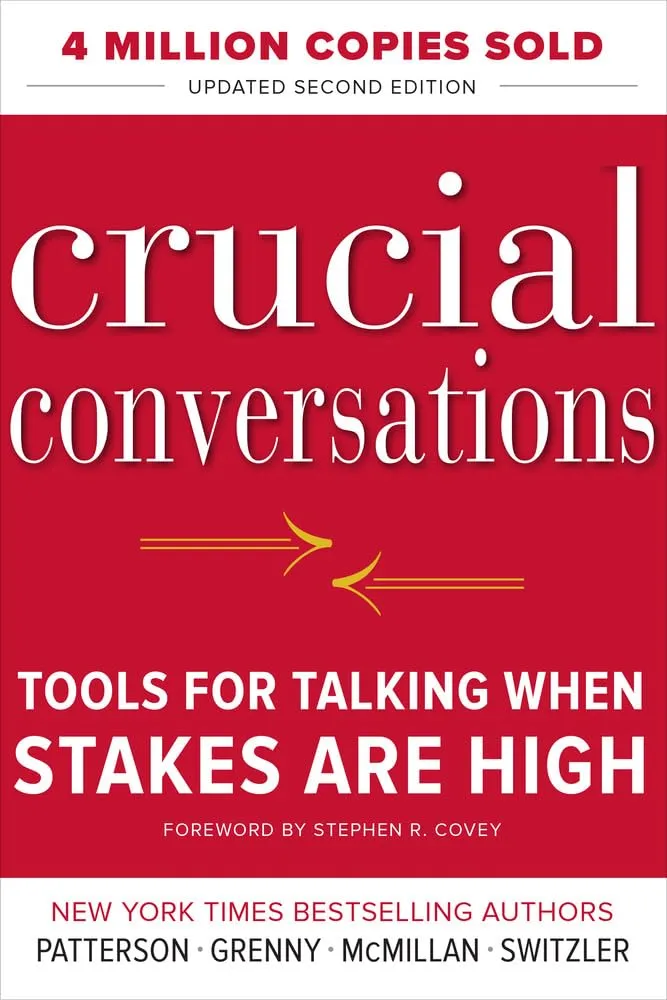
Workplace conversations become difficult when the stakes are high, opinions differ, and emotions start to rise. You might need to challenge an unrealistic deadline, address a teammate who repeatedly misses commitments, or explain why you disagree with a decision from leadership.
Crucial Conversations focuses on handling these moments without shutting down or turning the discussion into a confrontation. It helps readers recognize when a conversation is becoming emotionally charged, make room for different perspectives, and keep the discussion focused on the issue rather than personal attacks.
The practical value is learning to speak honestly while maintaining a productive relationship. Instead of avoiding disagreement until frustration builds, you can address problems earlier and work toward a clearer understanding.
2. Say It Right Every Time
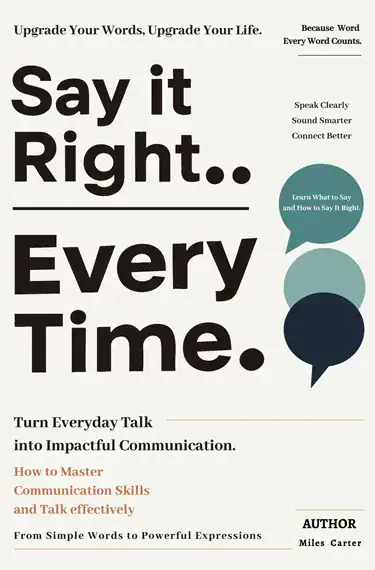
Knowing what you want to say is only half the challenge. The other half is finding language that communicates your point without sounding defensive, uncertain, or unnecessarily harsh.
Say It Right Every Time focuses on practical communication scripts and frameworks that help readers handle real conversations. Its approach is useful when you need to ask for what you need, disagree respectfully, set boundaries, respond to criticism, or explain your position without overexplaining.
For example, instead of saying, “Sorry, I might be wrong, but I just thought maybe we should consider another option,” you could say, “I see the value in this approach. I recommend considering another option because it addresses the main risk more directly.”

Say it Right..Every Time.
Miles CarterPractical communication tools for the moments that matter — say what you mean, calmly and confidently.
The difference is not about dominating the conversation. It is about making your reasoning easier to understand. With 115 practical scripts and 15 communication frameworks, the book gives readers language they can adapt to everyday professional and personal situations.
For professionals who understand their work but struggle to express themselves with clarity and confidence, this practical focus can make communication skills easier to apply beyond the pages.
3. How to Win Friends and Influence People
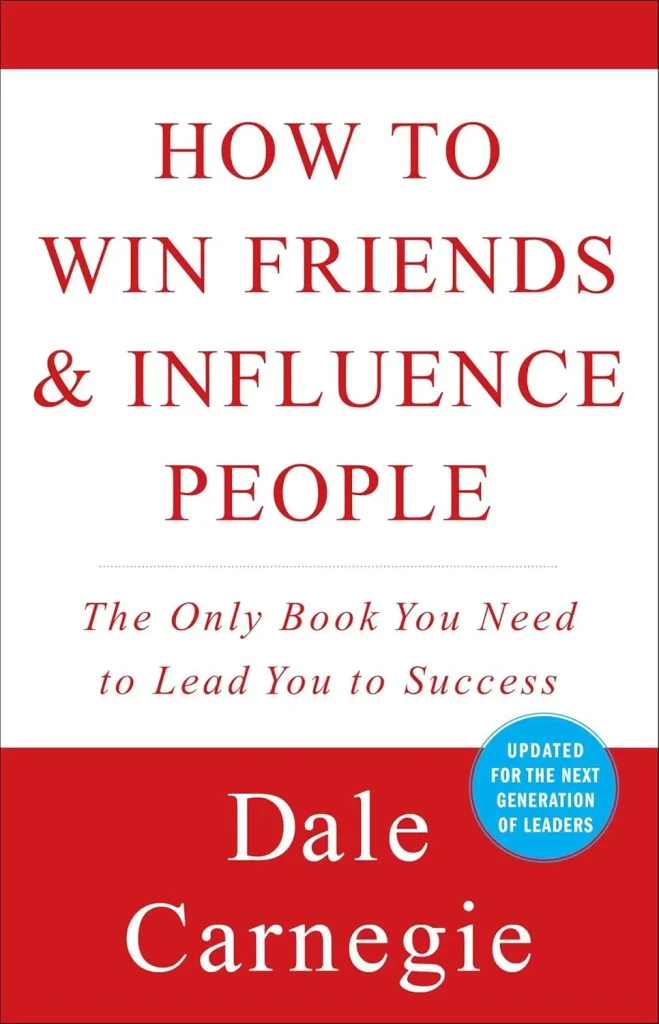
Authority at work is not built through words alone. How you listen, respond to other people’s concerns, and handle differences also affects whether colleagues trust your judgment.
How to Win Friends and Influence People explores interpersonal skills such as listening carefully, showing genuine interest, offering criticism tactfully, and helping people feel respected. These principles can be valuable when collaborating across teams, building professional relationships, or persuading others to consider an idea.
The key lesson is that effective communication involves more than delivering a convincing argument. People are more likely to engage with your message when they feel that their perspectives have been taken seriously.
This book is especially useful for professionals who want to strengthen their influence without relying on status, pressure, or forceful language.
4. Think Faster, Talk Smarter: How to Speak Successfully When You’re Put on the Spot
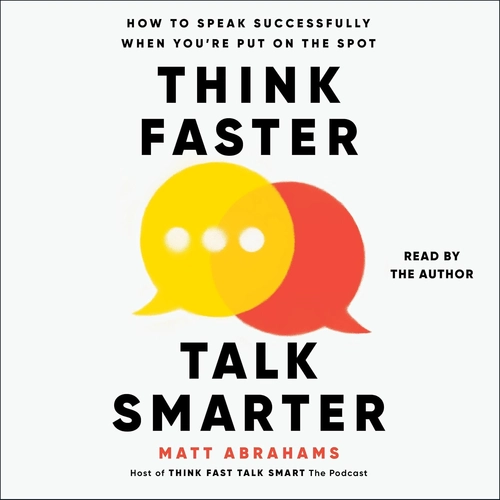
Some of the hardest workplace moments are the ones you cannot prepare for. A manager asks an unexpected question, a client challenges your recommendation, or a colleague asks you to explain a complex idea in a few sentences.
In Think Faster, Talk Smarter, communication expert Matt Abrahams offers strategies for responding more effectively in spontaneous speaking situations. The book addresses common barriers such as anxiety, overthinking, and the pressure to produce a perfect answer immediately.
Its approach encourages readers to focus on connecting with their audience and organizing a useful response rather than trying to sound flawless. This can help during meetings, presentations, networking conversations, and impromptu discussions.
For people who often think of their best response only after a conversation ends, this book offers a practical way to build confidence when speaking without a script.
5. The Pyramid Principle: Logic in Writing and Thinking
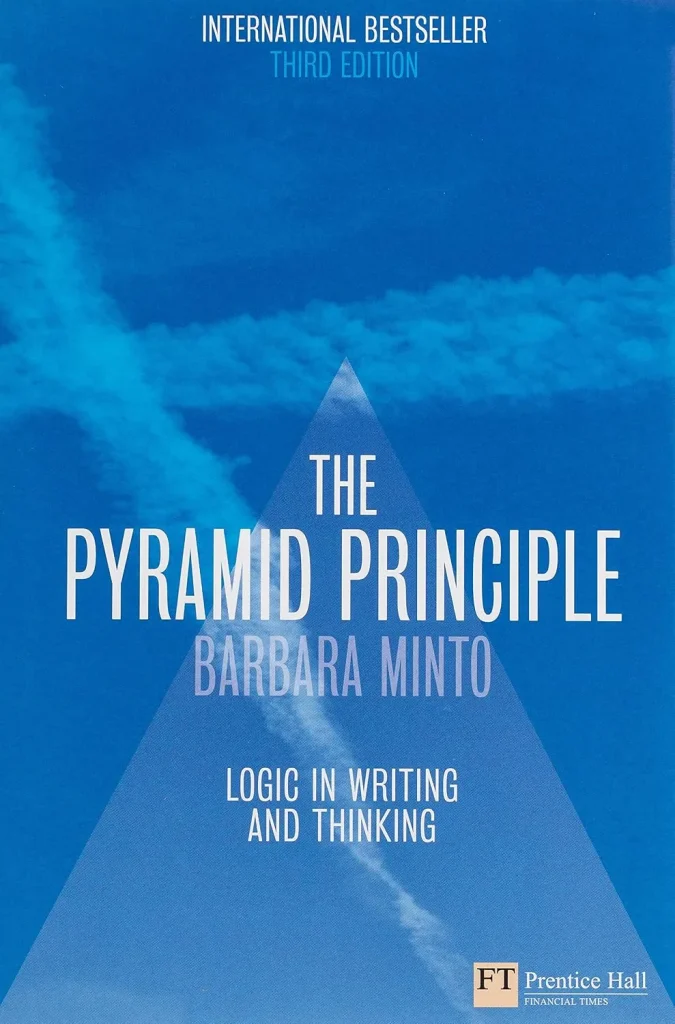
Sometimes a communication problem is not about confidence. It is about structure. You may have a strong recommendation, but if you bury it beneath background information, your audience may lose track of the main point.
The Pyramid Principle teaches a structured approach to organizing ideas, with the central message presented first and supporting arguments arranged logically beneath it. Although it is particularly relevant to business writing and consulting, its principles can also improve verbal communication.
Imagine presenting a project update to senior management. Instead of spending ten minutes explaining every step before revealing the problem, you begin with the key conclusion, explain the main reasons, and then provide the supporting evidence.
This approach makes it easier for busy colleagues and decision-makers to understand your reasoning. It is especially valuable for reports, proposals, executive summaries, presentations, and meetings where clarity matters more than volume.
What Makes Someone Sound Authoritative at Work?
Reading about communication helps, but authority ultimately comes from how you apply those lessons in everyday situations. The goal is not to speak more loudly or use complicated vocabulary. It is to make your thinking clear and your contributions useful.
A few habits can make a noticeable difference:
- Lead with your point. State your recommendation or concern before explaining every detail.
- Replace excessive apologies with direct language. Be courteous without making your ideas sound like an inconvenience.
- Support opinions with reasons. Explain the evidence, risk, or outcome behind your recommendation.
- Pause before responding. A brief pause can help you choose a more precise answer instead of reacting defensively.
- Disagree with the idea, not the person. Identify the concern and suggest a constructive alternative.
- Ask focused questions. Clarifying a deadline, expectation, or decision can be more effective than making assumptions.
- Follow through on what you say. Reliability reinforces the credibility of your words.
You do not need to master every skill at once. Start with the situation that causes you the most difficulty, such as speaking in meetings, responding to criticism, or asking for a decision. Practice one new communication habit in that situation until it becomes more natural.
Which Communication Book Should You Start With?
The best choice depends on the specific obstacle you want to overcome.
| Your main challenge | Book to start with |
|---|---|
| Handling tense or high-stakes discussions | Crucial Conversations |
| Finding the right words for difficult conversations | Say It Right Every Time |
| Building trust and influencing colleagues | How to Win Friends and Influence People |
| Answering unexpected questions confidently | Think Faster, Talk Smarter |
| Presenting ideas in a logical, concise way | The Pyramid Principle |
If your biggest challenge is organizing complex ideas, start with The Pyramid Principle. If you know what you want to communicate but struggle to phrase it in the moment, Say It Right Every Time is a more direct starting point. For emotionally charged workplace disagreements, Crucial Conversations offers a useful framework.
Final Thoughts
Speaking with authority at work does not mean having an immediate answer to every question or winning every disagreement. It means expressing your ideas clearly, explaining your reasoning, and remaining constructive when conversations become uncomfortable.
Choose one book that addresses your biggest communication challenge, then apply its lessons to real meetings, emails, and conversations. Small changes in how you frame a recommendation, respond to criticism, or state a boundary can gradually change how others understand your contributions.
The aim is not simply to sound confident. It is to make your ideas clear enough that people can understand them, evaluate them, and take them seriously.

