Have you ever caught yourself automatically putting everyone else’s needs before your own, until you can hardly tell what you actually want? Some women live this way for so long it becomes second nature. They sign up for plans they dread, swallow their discomfort to keep the peace, and feel a sharp twinge of guilt any time they reserve time only for themselves. Even when they know they are running empty, saying no still feels far scarier than saying yes.
Putting yourself first is not about being selfish or caring less for the people you love. It is about acknowledging that your time, energy, preferences and goals are worthy of consideration as well. These five books guide you through this inner shift from different angles. They cover setting firm boundaries, unlearning outdated expectations, and unpacking the relationship dynamics that shape how women show up for others.
1. Set Boundaries, Find Peace by Nedra Glover Tawwab
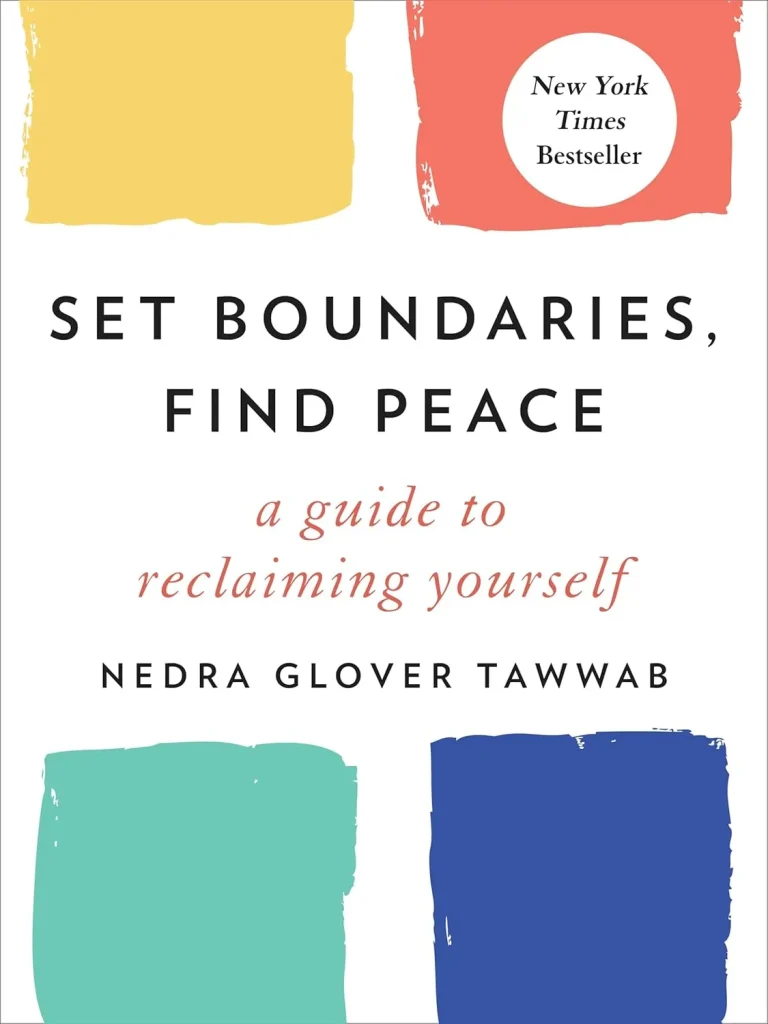
A woman can love her family, value her friendships, and care deeply about her partner while still needing limits. The difficulty often comes when she believes that saying no will disappoint someone, create conflict, or make her seem difficult.
In Set Boundaries, Find Peace, Nedra Glover Tawwab explores how boundaries shape everyday relationships and why communicating them clearly matters. The book helps readers recognize situations where they take on too much, struggle to express their needs, or allow other people’s expectations to dictate their decisions.
Its practical approach makes it a useful starting point for women who want to change familiar habits. Rather than waiting until resentment builds, readers can begin identifying what they are comfortable with, what they need to communicate, and where they need to stop automatically accommodating others.
2. The Awakened Woman’s Game Code by Grace Willow
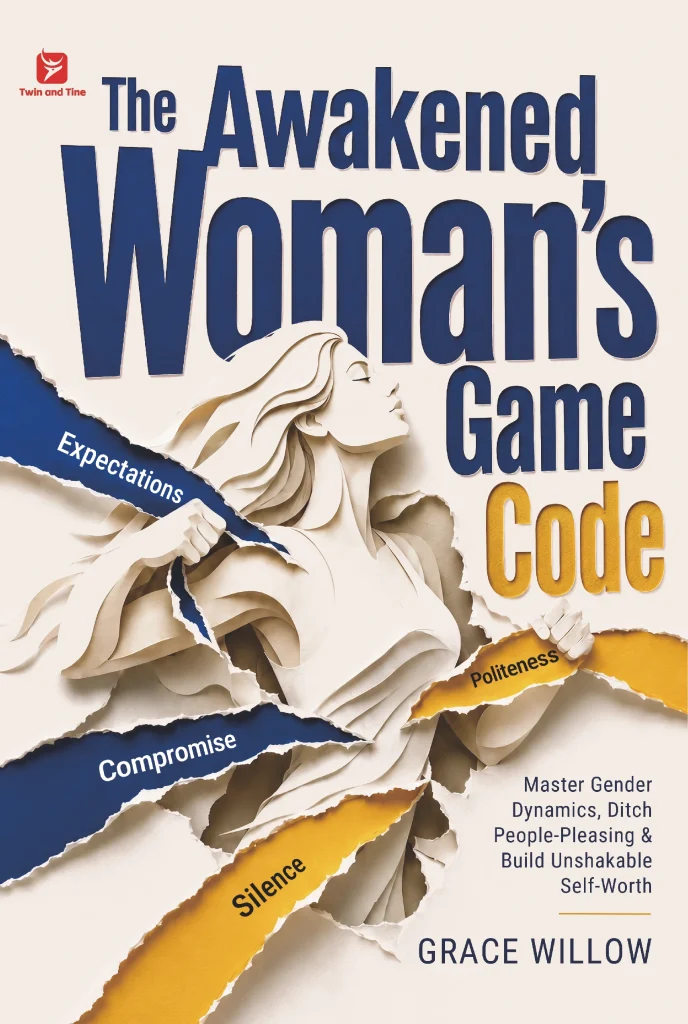
Putting yourself first can require more than learning to say no. It can also mean rethinking how you approach dating, marriage, work, and the expectations you have absorbed about what a woman should tolerate to be liked, loved, or accepted.
The Awakened Woman’s Game Code takes a broader look at women’s self-worth and the dynamics that influence their choices. It explores themes such as people-pleasing, personal boundaries, recognizing unhealthy relationship patterns, understanding manipulation, and navigating interactions with greater awareness. Instead of treating self-improvement as a purely inward process, the book connects personal agency with the real situations women face in their relationships and professional lives.
This perspective is especially relevant to women who have spent years trying to be more agreeable, more patient, or easier to love, only to find themselves repeatedly compromising their own needs. Developing self-respect also means paying attention to how others treat you, deciding what you will accept, and making choices based on your own values rather than the constant pursuit of approval.
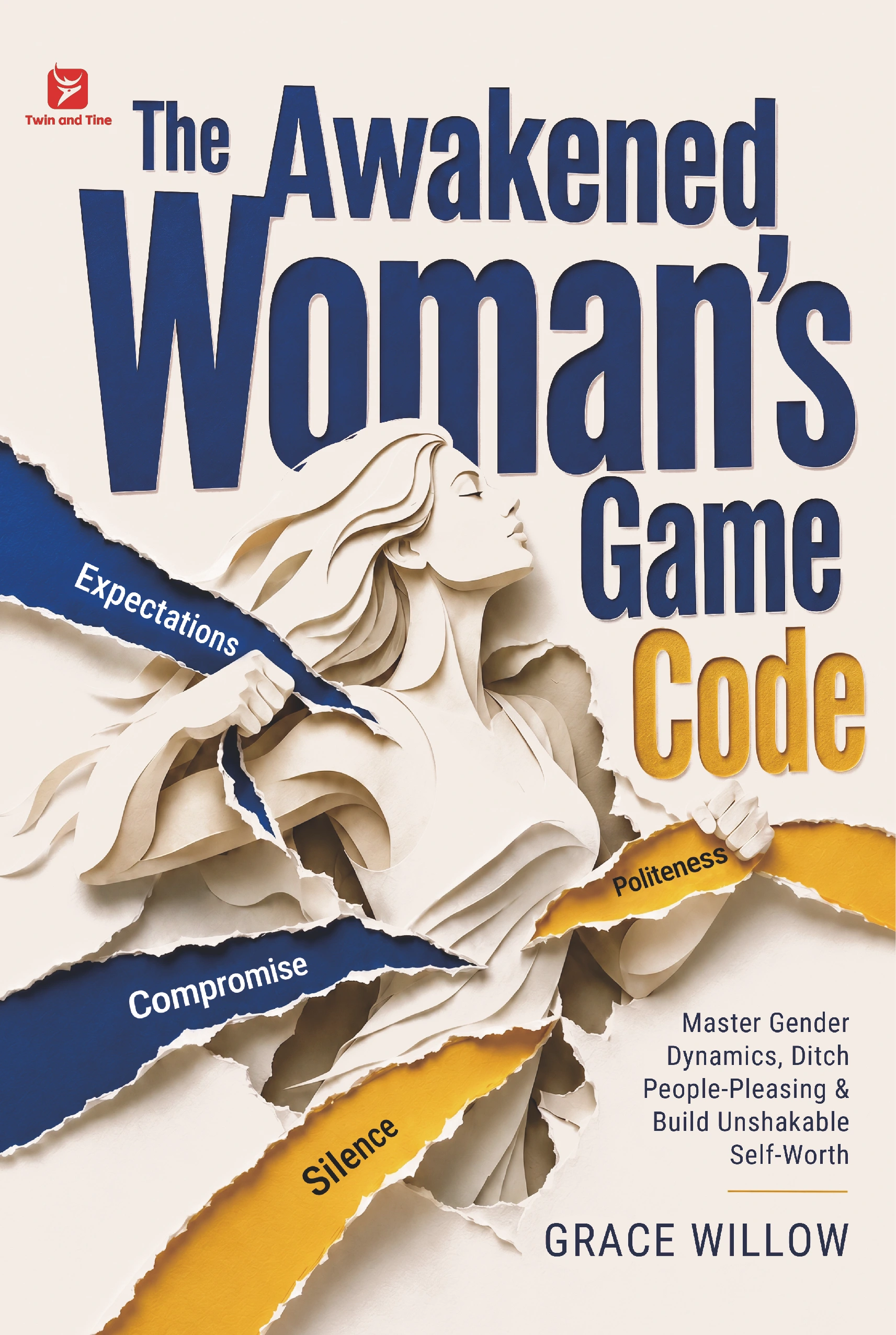
The Awakened Woman’s Game Code
Grace WillowBeing loved isn’t enough if you’re not respected.
Learn the hidden rules of attraction, boundaries, and relationship dynamics, and stop making yourself easy to take for granted.
3. Untamed by Glennon Doyle

What if some of the rules guiding your life were never really your own?
In Untamed, Glennon Doyle reflects on identity, social expectations, motherhood, relationships, and the process of listening to your own inner voice. The book challenges the idea that women must continually make themselves smaller or more acceptable to fit the roles expected of them.
Its appeal lies in the questions it encourages readers to ask. Are you choosing a particular life because it genuinely suits you, or because changing direction might disappoint the people around you? Are you pursuing something you want, or something you have been taught you should want?
For women who feel disconnected from their own ambitions and preferences, these questions can be a starting point for reconsidering what a fulfilling life looks like. The goal is not to reject every expectation, but to make room for choices that feel personally meaningful.
4. The Gifts of Imperfection by Brené Brown
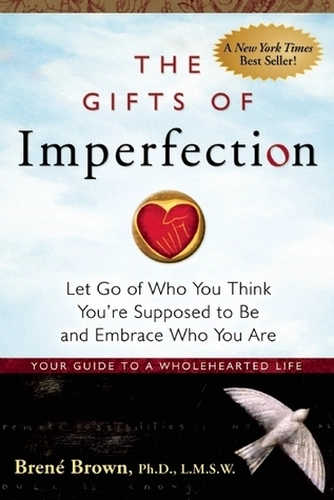
Sometimes the biggest obstacle to putting yourself first is the belief that you have to earn the right to do so. You may feel you need to be productive enough, attractive enough, successful enough, or helpful enough before you can feel comfortable with who you are.
Brené Brown’s The Gifts of Imperfection examines shame, vulnerability, authenticity, and the pressure to live up to unrealistic expectations. It encourages readers to loosen their dependence on perfection and develop a more accepting relationship with themselves.
This matters because perfectionism can quietly shape everyday decisions. A woman may overwork to avoid criticism, hide her struggles to maintain an image, or agree to responsibilities because she fears being seen as inadequate. Learning to accept imperfection can make it easier to set realistic limits and stop treating every mistake as evidence that she needs to try harder.
Rather than offering a strategy for handling one particular relationship, this book focuses on the internal beliefs that influence how people live. It provides a different kind of foundation for women who want to feel more secure in their own worth.
5. Women Don’t Owe You Pretty by Florence Given

Many women grow up with the feeling that their appearance, likability, and behavior are constantly being evaluated. That pressure can influence everything from how they dress to how they speak, date, and respond when someone crosses a line.
Florence Given’s Women Don’t Owe You Pretty challenges conventional expectations around femininity, beauty, relationships, and women’s obligations to others. Its direct tone questions the assumption that women should organize their lives around being attractive, agreeable, or desirable.
The book offers a cultural perspective on self-worth, encouraging readers to examine the standards they have accepted and the ways those standards affect their choices. It can be particularly thought-provoking for women who find themselves seeking validation through appearance or measuring their value by how much attention they receive.
Its central challenge is to reconsider who benefits from the expectations you follow. When you stop treating approval as the measure of your worth, you have more room to define yourself on your own terms.
Putting These Ideas Into Practice
Reading about self-worth is one thing; responding differently in a real situation is another. The change often begins with small decisions that may feel uncomfortable at first.
- Pause before agreeing. Give yourself time to decide whether you genuinely want to take on a request instead of answering automatically.
- Say what you need clearly. Explain your expectations without feeling obligated to provide a long defense for every preference.
- Notice repeated patterns. If the same relationship keeps leaving you feeling overlooked or drained, look beyond the latest disagreement and consider what continues to happen.
- Make space for your own plans. Protect time for your interests, friendships, rest, and goals, even when other people have competing demands.
- Review your standards. Ask yourself which expectations reflect your actual values and which ones you follow mainly because you fear judgment or rejection.
You don’t have to overhaul your life overnight. A boundary you maintain, a decision you make without seeking everyone’s approval, or a goal you finally give attention to can all be meaningful steps.
The right book depends on the change you want to make. Start with boundaries if you struggle to say no, explore self-acceptance if perfectionism keeps you stuck, or look more closely at relationship dynamics if you repeatedly find yourself compromising your needs. The important part is to use what you learn to make choices that reflect the woman you want to become, not simply the person everyone else expects you to be.

