When Being Attractive Becomes a Measure of Your Worth
A woman shares a photo, then refreshes repeatedly to check the likes, silently measuring herself against women who seem more attractive, confident, or admired. She knows her worth is not defined by her looks, yet she still carries the quiet pressure to fit a certain standard to gain attention and validation. This unspoken weight seeps into dating, friendships, work, and even shapes how she judges other women around her.
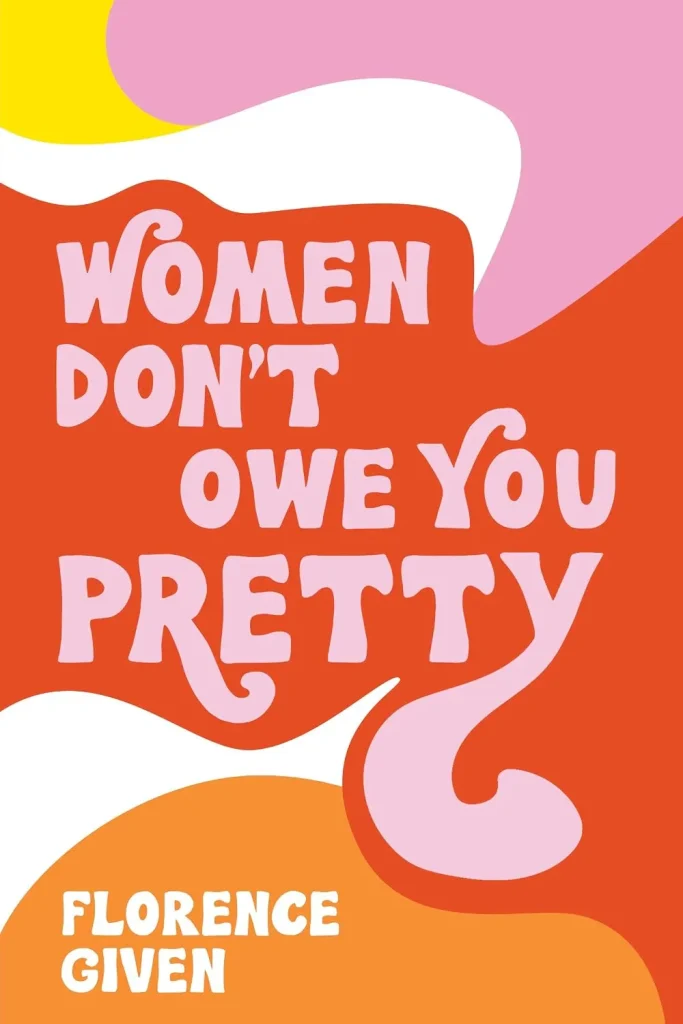
In Women Don’t Owe You Pretty, Florence Given challenges the cultural expectations that teach women to measure themselves through beauty and desirability. Combining personal reflections, feminist ideas, and bold illustrations, she explores how these standards shape women’s identities and relationships. The book’s message is direct: a woman’s value does not depend on how attractive she is, whether men want her, or how well she fits society’s expectations of femininity.
Your Appearance Is Not Your Responsibility to Everyone Else
One of the book’s central arguments is that women are often taught to treat beauty as a form of social currency. Makeup, clothing, body shape, and grooming can become more than personal preferences when women feel they must maintain a particular appearance to be respected or accepted.
Given asks readers to question why these expectations feel so natural. Why might a woman feel obligated to look attractive even when she is tired, busy, or simply uninterested in spending time on her appearance? Why can looking different from an accepted beauty ideal trigger embarrassment or self-criticism?
The point is not that makeup, fashion, or wanting to look beautiful is inherently wrong. Women should be free to enjoy these things without being judged for them, just as they should be free to ignore them. The problem arises when personal choices become perceived obligations, and a woman’s appearance starts to feel like a requirement she must fulfill to deserve attention or respect.
Stop Making Male Validation the Center of Your Life
Seeking approval from a romantic partner can gradually influence how a woman sees herself. She may change her opinions to appear more agreeable, tolerate behavior that makes her uncomfortable, or interpret a man’s lack of interest as proof that something is wrong with her. Even when she has other sources of happiness, romantic rejection can feel like a verdict on her entire identity.
Given challenges the idea that being desirable to men should be a central measure of female success. Her argument encourages women to examine how much energy they spend trying to become the kind of person someone else will choose. Instead of asking whether a particular man finds you attractive or valuable, you can also ask whether the relationship meets your standards and whether you genuinely like the person you become within it.
This shift does not mean romantic relationships are unimportant. It means that being wanted and being well-treated are different things. Attention can feel flattering, but it is not a substitute for respect, compatibility, emotional safety, or shared values.
Why Women Sometimes Judge Other Women
Competition between women is another important theme. When beauty and desirability are treated as scarce resources, it can become tempting to compare yourself with other women, search for their flaws, or feel reassured when someone else is criticized. These reactions may provide temporary comfort, but they also reinforce the same standards that create insecurity in the first place.
Given encourages readers to examine the assumptions behind these judgments. If you find yourself criticizing another woman’s appearance, confidence, sexuality, or relationship choices, it may be worth asking why her behavior feels threatening or unacceptable to you. Sometimes these reactions reflect personal insecurity; other times, they reveal social rules that we have absorbed without questioning.
This is not a demand to agree with every woman or approve of every decision. It is an invitation to stop using other women’s imperfections as evidence of your own superiority. Building a more secure sense of self becomes easier when another woman’s beauty, success, or independence no longer feels like a personal loss.
Boundaries, Relationships, and the Right to Say No
Female empowerment is not limited to how women view their bodies. It also involves recognizing that their time, attention, sexuality, and emotional energy belong to them. Women may feel pressure to avoid disappointing others, explain every refusal, or remain in relationships because leaving would make them seem selfish or unkind.
The book explores ideas around consent, identity, and relationship expectations, encouraging readers to question the rules they have accepted about being a good woman or partner. A boundary does not become unreasonable simply because someone dislikes it. Nor does kindness require agreeing to something that violates your comfort or values.
In practical terms, this can mean refusing intimacy you do not want, expressing dissatisfaction without apologizing for having needs, or ending a relationship that consistently undermines your well-being. These decisions can be emotionally difficult, and the book does not replace the careful judgment required in complicated situations. Its value lies in challenging the assumption that keeping others happy should always come before protecting yourself.
What Makes Women Don’t Owe You Pretty Worth Reading?
The book’s biggest strength is its clear, accessible approach to contemporary feminism. Given takes ideas that can feel abstract, such as the male gaze, internalized misogyny, and beauty standards, and connects them to familiar experiences in dating, social media, and everyday interactions. The illustrations and conversational tone also make the book feel different from a traditional academic discussion of gender.
It is particularly effective at prompting readers to question beliefs they may have mistaken for personal preferences. A woman might discover that some of her insecurities are not simply individual shortcomings, but responses to expectations she has encountered repeatedly throughout her life.
However, the book is not a neutral or comprehensive introduction to every aspect of feminism. Its voice is deliberately outspoken, and some arguments may feel simplified to readers who prefer detailed research or a more measured discussion of social issues. Readers looking for a structured plan to build confidence may also want more step-by-step exercises. This is best approached as a provocative starting point for reflection, not a complete guide to resolving every issue involving gender, identity, or relationships.
Who Should Read This Book?
Women Don’t Owe You Pretty may appeal to women who feel pressured to look attractive, seek romantic approval, compete with other women, or prioritize being liked over being authentic. It is also relevant to readers beginning to explore feminism who want an accessible introduction to the ways social expectations can shape self-image and personal decisions.
Readers who already have extensive knowledge of feminist theory may find some ideas familiar. Those who prefer a traditional self-help format may also find its illustrated, essay-based structure less practical than a workbook. But if you have ever wondered why being accepted by others feels more important than feeling comfortable with yourself, the book raises questions worth considering.
Final Thoughts
Women Don’t Owe You Pretty challenges the belief that women must remain attractive, agreeable, and desirable to earn respect. It asks readers to reconsider the standards they have internalized and to recognize how those standards can influence their relationships, confidence, and sense of identity.
Its message is especially relevant to women who are beginning to question whose approval they have been working so hard to obtain. You can enjoy beauty without making it your identity, value relationships without depending on them for self-worth, and care about other people’s opinions without allowing those opinions to determine your choices. Female awakening, in this sense, begins with recognizing that your life does not need to revolve around being chosen by someone else.

