Have you ever wrapped up a task, only to skip the sense of pride and jump straight to picking apart every flaw in your work? When someone pays you a compliment, doubt creeps in, and you question if their kind words are genuine. You watch others hit milestones and make progress, and before you know it, you are stuck comparing your journey to theirs, convinced you are falling behind.
When this inner critic becomes your default mindset, even small, neutral moments turn into chances to judge and tear yourself down. You might logically understand that you deserve confidence, but knowledge alone cannot overwrite the quiet insecurity that lives in your head.
Self-love is not about tricking yourself into believing you have no flaws or never make mistakes. It is about rewriting how you speak to yourself. It means choosing kindness over harsh criticism, especially in those vulnerable moments when you feel disappointed, unsteady, or unsure of what comes next.

Why Is It So Hard to Love Yourself?
Self-doubt rarely comes from one single experience. It often develops through repeated patterns of thinking, relationships, and expectations that gradually influence how you see yourself.
Some common reasons include:
- Constant comparison: You measure your appearance, achievements, relationships, or lifestyle against other people’s highlights and feel that you’re never doing enough.
- Depending on external approval: You feel confident when others appreciate you but question your value when they become distant or critical.
- Unrealistic expectations: You expect yourself to handle everything perfectly, leaving little room for mistakes or rest.
- Negative past experiences: Criticism, rejection, or repeated disappointment may make you believe there’s something fundamentally wrong with you.
- People-pleasing habits: You prioritize keeping others happy, even when it means ignoring your own feelings and needs.
Over time, these experiences can create a difficult cycle: you doubt yourself, seek reassurance, feel temporarily better, and then return to questioning your worth.
Breaking that cycle starts with recognizing that your thoughts are not always accurate reflections of who you are.
How to Stop Feeling Like You’re Never Good Enough
You don’t have to transform your entire personality to become more comfortable with yourself. Start by changing a few habits that reinforce negative self-perception.
1. Stop Measuring Your Worth Through Other People
It’s natural to want appreciation and recognition. The problem begins when other people’s reactions become the main way you decide whether you’re valuable.
Someone else’s success doesn’t make your achievements less meaningful. Someone’s inability to appreciate you doesn’t mean you have nothing worth appreciating.
When you catch yourself comparing your life with someone else’s, ask:
- Am I comparing my everyday reality with someone else’s best moments?
- Am I pursuing something because I genuinely want it or because I want approval?
- What have I achieved that I’m overlooking?
Your life doesn’t need to follow someone else’s timeline to be meaningful.
2. Change the Way You Speak to Yourself
Think about how you respond when a friend makes a mistake. You probably wouldn’t tell them they’re useless or that they’ve ruined everything.
Yet many people use exactly that kind of language toward themselves.
Pay attention to your inner dialogue. Instead of saying, “I’m terrible at everything,” try saying, “I didn’t handle that well, but I can learn from it.”
This doesn’t mean making excuses. It means recognizing mistakes without turning them into judgments about your entire identity.
3. Learn to Set Boundaries Without Feeling Guilty
If you constantly say yes to avoid disappointing people, you may gradually lose sight of what you actually want.
You might agree to plans when you’re exhausted, accept unfair treatment to avoid conflict, or keep explaining yourself to people who have no intention of understanding.
Start with small boundaries:
- Give yourself time before agreeing to requests.
- Say no when something genuinely doesn’t work for you.
- Stop feeling responsible for everyone’s emotions.
- Spend less time in relationships that repeatedly undermine your confidence.
Putting yourself first sometimes isn’t selfish. It’s part of maintaining a healthy relationship with yourself.
4. Accept That You Don’t Have to Be Perfect
Perfectionism can make self-love feel like something you must earn. You tell yourself you’ll feel good enough after reaching a goal, improving your appearance, finding the right relationship, or becoming more successful.
But every achievement can create another expectation.
Try recognizing progress instead of waiting for perfection. You can be proud of yourself while still having things to improve. You can make mistakes without deciding that you’re a failure.
You deserve respect during the process, not only after you’ve reached the destination.
5. Make Small Promises to Yourself and Keep Them
Self-trust grows when your actions begin to match your intentions.
You don’t need an elaborate self-improvement routine. Start with manageable commitments:
- Take a break when you need one instead of pushing yourself until you’re exhausted.
- Make time for an activity you genuinely enjoy.
- Follow through on one personal goal each week.
- Write down something you handled well at the end of the day.
- Stop apologizing for having reasonable needs and preferences.
Every small action sends a message: your feelings, time, and well-being matter.
How to Build a Healthier Relationship With Yourself
Self-love isn’t just about feeling positive when you look in the mirror. It also involves how you respond to difficult emotions, handle relationships, and make decisions.
A healthier relationship with yourself includes three important changes.
Accept your emotions without judging them. You can feel jealous, angry, disappointed, or insecure without treating those emotions as evidence that you’re a bad person. Understand what they’re telling you before deciding how to respond.
Stop abandoning yourself to maintain relationships. Healthy connections allow you to express your needs, disagree, and maintain your individuality. You shouldn’t have to constantly suppress your feelings to keep someone around.
Allow yourself to grow beyond your past. Previous mistakes, failed relationships, and difficult experiences are part of your story, but they don’t have to determine your future. You can learn from the past without repeatedly punishing yourself for it.
The goal isn’t to become someone who never doubts themselves. It’s to become someone who doesn’t let every moment of doubt determine their worth.
When You Need a Different Perspective: Quotes That Rewire Your Mind
Sometimes, you understand what you need to change but struggle to see your situation differently. You know you shouldn’t depend on other people’s approval, yet you still feel hurt when someone doesn’t appreciate you. You understand that mistakes are normal, but you continue replaying them in your mind.
In these moments, reflecting on thoughtful ideas about human nature, self-worth, and emotional patterns can help you question beliefs you’ve accepted for years.
Quotes That Rewire Your Mind by Miles Carter brings together 600 short reflections and truths covering self-worth, emotional healing, relationships, human nature, and personal growth.

Rather than presenting complicated instructions, the book offers concise thoughts that encourage you to reconsider familiar situations and recognize patterns in your thinking. You can return to different reflections whenever you need encouragement, a fresh perspective, or a reminder to treat yourself with greater understanding.
For anyone working on self-acceptance, letting go of unhealthy emotional patterns, or developing a stronger sense of personal worth, it offers meaningful ideas to reflect on in everyday life.
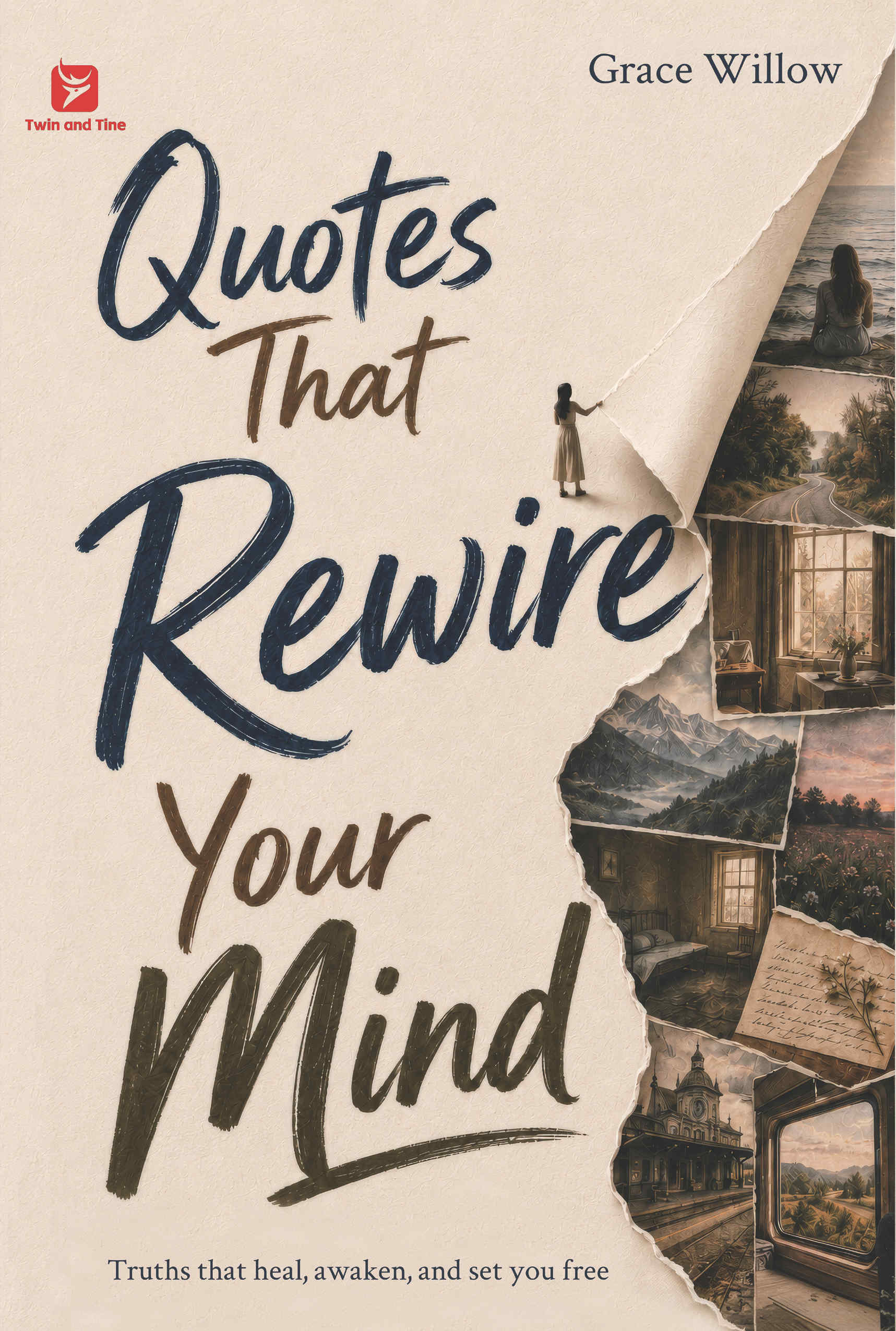
Quotes That Rewire Your Mind
Grace Willow600 truths to break old patterns, challenge your thinking, and see people, love, and yourself differently.
You Don’t Have to Become Someone Else to Be Enough
Learning to love yourself takes time, particularly if you’ve spent years believing that your value depends on achievement, appearance, or other people’s approval.
There will still be days when you compare yourself, make mistakes, or question your decisions. That doesn’t mean you’re moving backward.
What matters is how you respond. Instead of criticizing yourself for not being perfect, give yourself room to learn. Instead of chasing acceptance from everyone around you, start respecting your own needs.
You don’t have to become a completely different person to deserve love. You can start by treating the person you already are with more patience, respect, and kindness.

