Why Do Women Often Feel Guilty for Being Angry?
When her partner says something that hurts her, she holds back from speaking up and instead tells herself she is just overreacting or too sensitive. At work, she takes on extra tasks because she worries saying no will make her seem hard to work with. Around family, she keeps the harmony even when she feels overlooked and unvalued. Over time all that frustration piles up, yet she still struggles to put into words what is actually wrong.
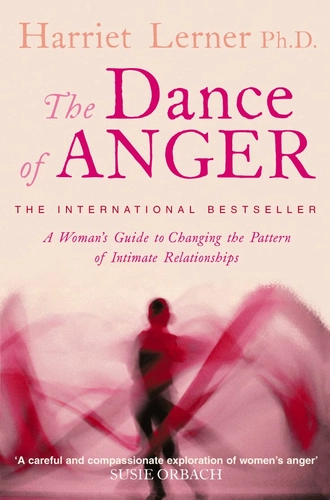
In The Dance of Anger, psychotherapist Harriet Lerner unpacks how women experience and express anger within their close relationships. She pushes back against the common belief that anger is always harmful, or that it is something women should shut down and suppress. Instead, she frames anger as an important signal that something needs care and attention — whether that means unfair workloads, unspoken expectations, or boundaries that have been crossed again and again.
Anger Is a Message, Not a Character Flaw
Many women learn to associate anger with being difficult, unreasonable, or unkind. They may feel comfortable expressing sadness or disappointment but become uncomfortable when their emotions turn into frustration. As a result, they apologize for their reactions, minimize their concerns, or wait until resentment becomes impossible to ignore.
Lerner offers a different perspective: anger can reveal where a relationship has become unbalanced. It may point to a need that has gone unspoken, a responsibility that has been unfairly distributed, or a pattern in which one person’s preferences consistently take priority.
This does not mean every angry reaction is justified or that anger should dictate what happens next. The important step is learning to understand what is underneath the emotion. Instead of immediately blaming yourself for feeling angry, ask what situation keeps producing the same frustration and what needs to change.
Stop Repeating the Same Relationship Patterns
One of the book’s most valuable ideas is that relationship problems are often maintained by repeated patterns between people. Consider a woman who feels her partner does not contribute enough at home. She reminds him, becomes increasingly frustrated, eventually takes over the work herself, and then feels resentful that nothing changes.
The pattern may continue because both people have become accustomed to their roles. One person repeatedly pushes for change, while the other withdraws or waits for the tension to pass. Even when both are unhappy, their familiar reactions keep the relationship in the same place.
Lerner encourages readers to examine their own part in these patterns rather than focusing exclusively on changing someone else. This is not about accepting responsibility for another person’s behavior. It is about identifying what you can change in your own responses, expectations, and boundaries.
Why Explaining Yourself Again and Again Doesn’t Work
When women feel unheard, they may respond by explaining more. They repeat their reasons, provide additional examples, and try to find the perfect wording that will finally make the other person understand. But sometimes the problem is not a lack of explanation. The other person may understand the concern and simply be unwilling to respond differently.
The Dance of Anger encourages a more deliberate approach to communication. Instead of becoming trapped in endless arguments about who is right, readers can focus on clearly stating what they feel, what they need, and what they are prepared to do.
For example, rather than repeatedly arguing about an unequal division of household responsibilities, you might explain which tasks you can no longer take on and discuss a realistic alternative. The goal is not to control another person’s reaction. It is to communicate honestly and stop making your own needs disappear just to avoid conflict.
Becoming More Independent Without Becoming Cold
A common fear for women who begin setting boundaries is that they will become selfish or emotionally distant. They may worry that saying no will damage a relationship or that expressing dissatisfaction will make them seem unloving.
Lerner’s approach suggests that healthier relationships require a stronger sense of individual identity. You can remain emotionally connected to someone without allowing their moods, opinions, or decisions to determine your own behavior. You can care about a relationship while recognizing that you are not responsible for managing every uncomfortable feeling within it.
This is particularly important in relationships where one person constantly adjusts while the other rarely changes. Greater independence does not necessarily mean ending the relationship. It means becoming more aware of what you are willing to accept and taking responsibility for the choices that belong to you.
What Makes The Dance of Anger Worth Reading?
The book’s greatest strength is that it treats anger as a useful starting point for understanding relationship dynamics. Rather than simply advising women to calm down or communicate better, Lerner examines the deeper patterns that can make the same conflicts repeat for years.
Its ideas can be applied to romantic relationships, family dynamics, friendships, and workplace interactions. The focus on changing your own responses is especially useful for readers who feel stuck waiting for someone else to change before they can feel better.
However, the book is not a quick guide to resolving every conflict. Its discussions are rooted in family systems and relationship psychology, so some concepts require reflection before they become practical. Readers dealing with serious emotional abuse or unsafe relationships should also recognize that communication strategies alone cannot resolve those situations.
Who Should Read The Dance of Anger?
This book may resonate with women who frequently suppress frustration, feel guilty about expressing dissatisfaction, or find themselves repeating the same arguments with people close to them. It is particularly relevant to those who want to understand why they keep accommodating others even when doing so leaves them emotionally exhausted.
Readers looking for a simple collection of conversation scripts may prefer a more practical communication guide. But if you want to understand the patterns behind recurring relationship conflicts and learn how to respond differently, Lerner’s work offers valuable insight.
Final Thoughts
The Dance of Anger reminds women that being understanding does not require being endlessly accommodating. Anger can reveal where something needs to change, but the real transformation comes from recognizing the pattern, expressing your position, and making different choices.
You do not have to become aggressive to become assertive, and you do not have to stop caring about others to start respecting yourself. Sometimes the first step toward a healthier relationship is simply refusing to keep playing a role that leaves you feeling unheard.

