Emotional healing is rarely as simple as deciding to move on.
Some experiences stay with you long after they have ended. A difficult childhood may affect how you approach relationships. A painful breakup may leave you questioning your worth. You might find yourself overthinking conversations, struggling to trust people, or feeling emotions you cannot quite explain.
Sometimes, the hardest part is not knowing where those feelings come from or what to do with them.
The right emotional healing books can help you recognize these patterns, understand your emotional responses, and find healthier ways to relate to yourself and others. Some focus on trauma and childhood experiences, while others explore self-compassion, grief, and personal reflection.
Here are 10 books worth reading, depending on what you are trying to work through.

1. The Body Keeps the Score by Bessel van der Kolk
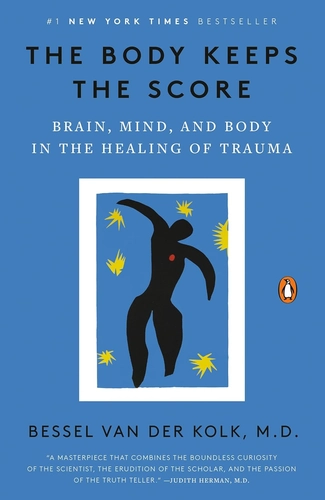
Best for understanding how past trauma can affect your present life.
Why can an experience from years ago still influence the way you feel and react today?
In The Body Keeps the Score, psychiatrist Bessel van der Kolk examines how traumatic experiences can affect the brain, body, memory, and emotional responses. The book explains why trauma does not always disappear simply because the original situation has ended.
It also discusses different approaches to trauma recovery, including body-based therapies and other treatment methods.
If you have ever wondered why certain situations trigger reactions that seem much stronger than the moment itself, this book offers a deeper perspective on the connection between past experiences and present emotions.
2. Adult Children of Emotionally Immature Parents by Lindsay C. Gibson
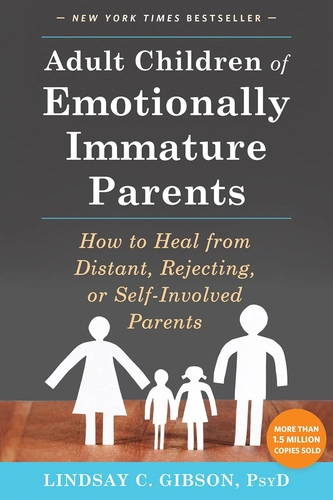
Best for understanding childhood emotional neglect and relationship patterns.
Not every difficult childhood involves obvious abuse or dramatic family conflict.
Sometimes, the lasting hurt comes from growing up with parents who could not respond to your emotional needs. You may have learned to hide your feelings, avoid conflict, become overly independent, or constantly seek approval.
Lindsay C. Gibson explores these experiences and explains how emotionally immature parenting can affect adult relationships and self-perception.
This book is particularly helpful if you struggle to express your needs, feel responsible for other people’s emotions, or find yourself repeating familiar family dynamics in your relationships.
It can help you recognize that some patterns you have carried into adulthood may have started much earlier than you realized.
3. Complex PTSD: From Surviving to Thriving by Pete Walker
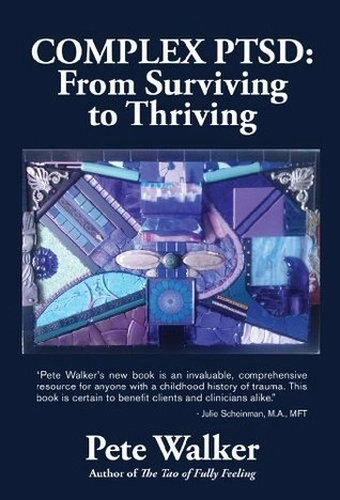
Best for readers struggling with the long-term effects of repeated childhood trauma.
Some emotional wounds come from a single overwhelming event. Others develop through years of living in an environment where you rarely felt safe, understood, or emotionally supported.
In Complex PTSD: From Surviving to Thriving, psychotherapist Pete Walker explores complex post-traumatic stress and the emotional patterns that can accompany it.
The book discusses emotional flashbacks, shame, self-criticism, and the different survival responses people may develop after prolonged trauma.
It also introduces practical ideas for managing emotional flashbacks and developing greater self-compassion.
For readers who recognize themselves in patterns of chronic fear, shame, or emotional overwhelm, this book offers a framework for understanding experiences that may have been difficult to put into words.
4. Self-Compassion by Kristin Neff
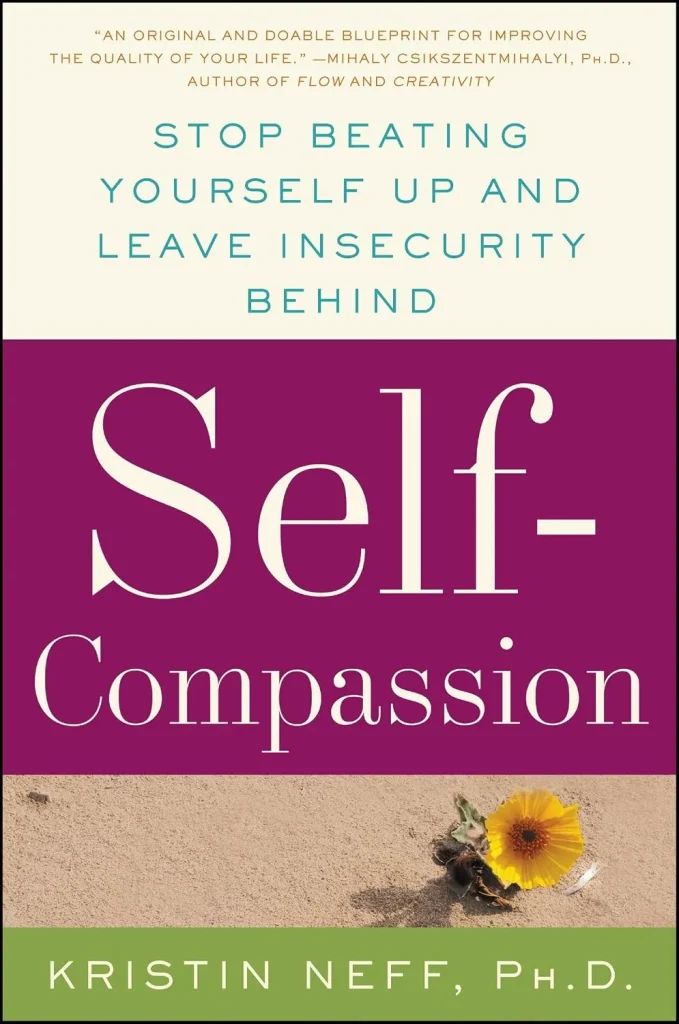
Best for people who are constantly hard on themselves.
You may be understanding toward everyone else but surprisingly unforgiving when it comes to your own mistakes.
A small failure becomes a reason to question your abilities. One awkward interaction turns into hours of self-criticism. Even when you are struggling, you feel that you should be handling everything better.
In Self-Compassion, psychologist Kristin Neff explains how self-compassion differs from self-esteem and why treating yourself with kindness matters.
The book introduces three central elements of self-compassion: self-kindness, common humanity, and mindfulness.
Rather than encouraging you to ignore mistakes or avoid responsibility, Neff shows how you can acknowledge difficult feelings without turning them into judgments about your entire identity.
It is a useful read if your inner critic has become one of the biggest obstacles to emotional well-being.
5. What My Bones Know by Stephanie Foo
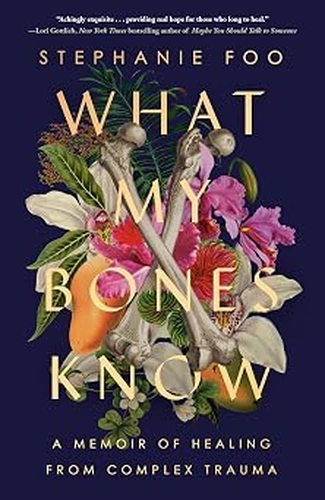
Best for understanding the personal experience of complex trauma.
Sometimes, psychological explanations are helpful, but you also want to understand what healing actually feels like in everyday life.
In What My Bones Know, journalist Stephanie Foo shares her experience of living with complex PTSD and her search for answers through therapy, research, and personal exploration.
She examines how childhood experiences affected her adult relationships, sense of safety, and understanding of herself.
The book combines memoir with reporting and conversations about trauma, making it a particularly personal account of the recovery process.
If you prefer a real-life story over a purely instructional psychology book, this is a powerful choice. It also reminds readers that understanding the past does not necessarily mean healing happens quickly or in a straight line.
6. The Grief Recovery Handbook by John W. James and Russell Friedman
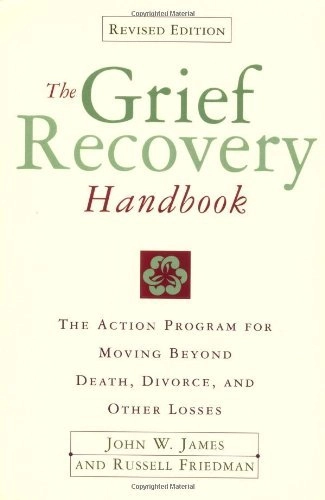
Best for working through grief and unresolved emotional loss.
Grief is not limited to losing someone through death.
A divorce, the end of a friendship, a lost opportunity, or a major life change can also leave emotional pain that is difficult to process.
The Grief Recovery Handbook approaches grief as something that deserves attention rather than something people should simply get over.
John W. James and Russell Friedman introduce a structured approach to identifying unresolved feelings and addressing emotional losses.
The book is practical and exercise-based, making it different from books that focus mainly on explaining the psychology of grief.
If you have been carrying sadness, regret, or unfinished feelings from a past experience, it offers a framework for examining what remains unresolved.
7. 777 Little Moments in My Life by Grace Willow

Best for understanding yourself through reflection and writing.
Sometimes, emotional healing begins with asking questions you have avoided for years.
Why do certain memories still affect you? Why do you keep reacting the same way in relationships? What experiences have shaped the way you see yourself?
777 Little Moments in My Life by Grace Willow is a guided reflection book built around 777 prompts that encourage readers to examine their experiences, emotions, preferences, relationships, and personal history.
Its sections cover different areas of self-exploration, including Trauma & Healing, Relationships & Emotions, Cognition & Preferences, Imagination & Writing, and Life & Beauty.
Rather than presenting a clinical explanation of emotional trauma, the book gives you questions to help you put your own thoughts into words.
It may be especially useful if you find it difficult to understand what you are feeling or want a more personal way to reflect on experiences that have shaped you.
Not every meaningful insight comes from reading someone else’s explanation. Sometimes, it comes from taking the time to answer an honest question about your own life.
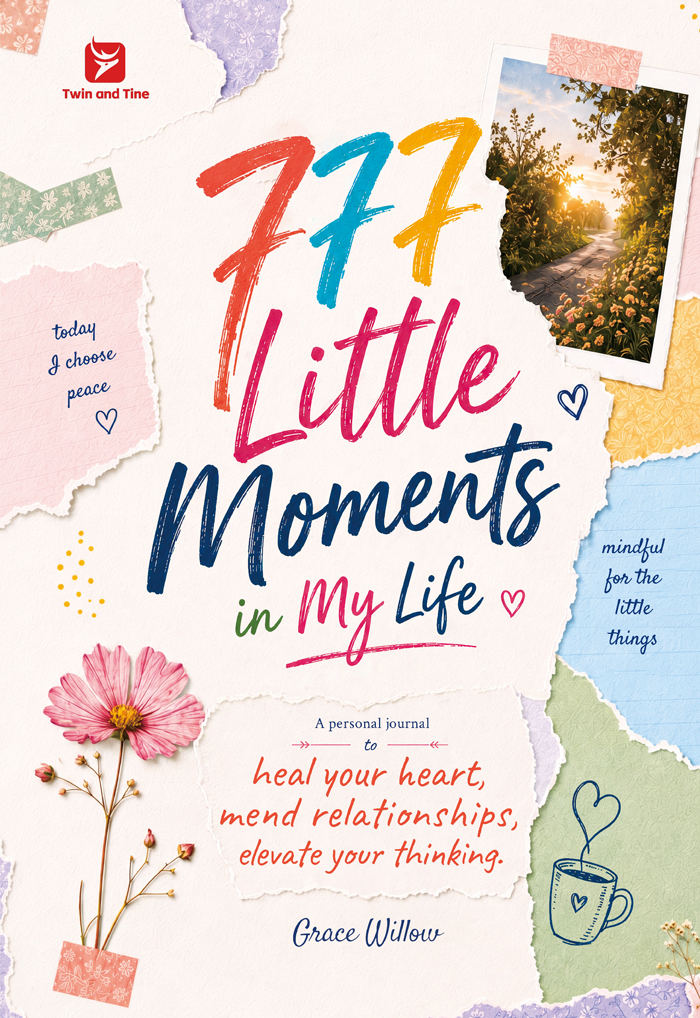
777 Little Moments in My Life
Grace Willow777 prompts to unpack old wounds, release buried emotions, and understand yourself more deeply.
8. Atlas of the Heart by Brené Brown
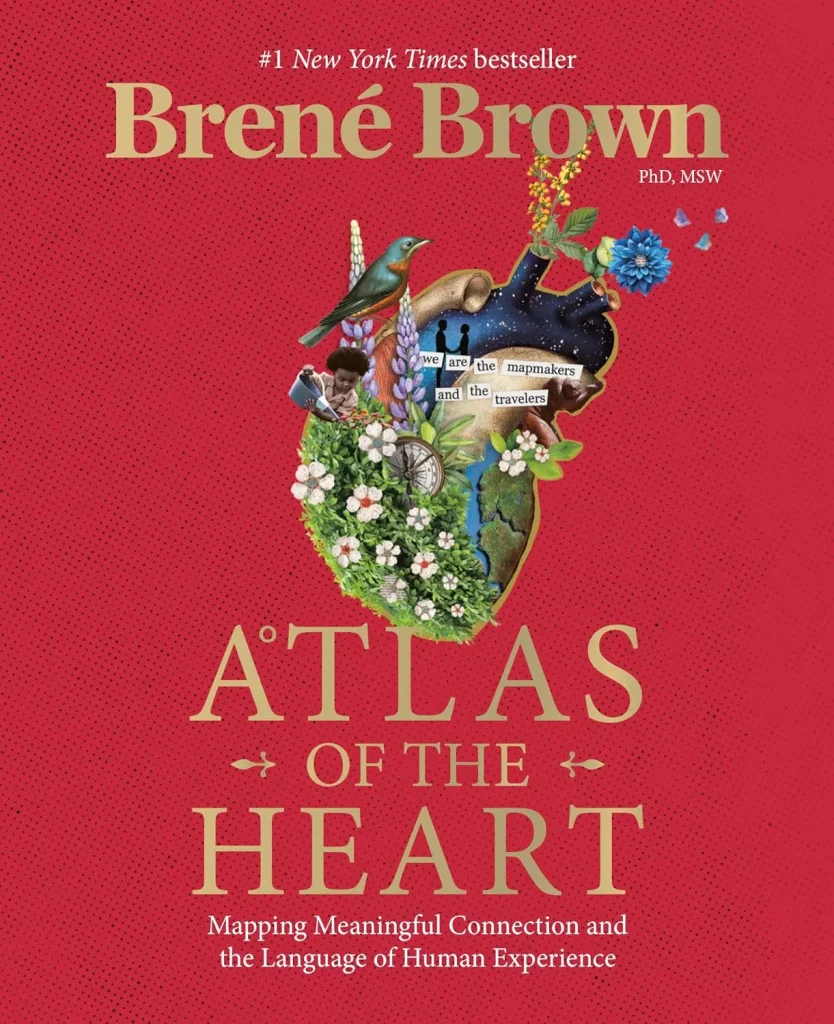
Best for identifying and understanding complicated emotions.
Have you ever felt something strongly but struggled to explain exactly what it was?
You might describe yourself as upset when you are actually disappointed, ashamed, lonely, or overwhelmed. When you cannot identify an emotion clearly, it can also be difficult to communicate what you need.
In Atlas of the Heart, Brené Brown explores a wide range of human emotions and experiences, examining how we understand and express them.
The book offers language for feelings that are often confused or overlooked, helping readers distinguish between emotional experiences that may seem similar.
This is a valuable read if you want to become more emotionally aware, understand your reactions, and communicate your feelings more clearly.
9. The Gifts of Imperfection by Brené Brown
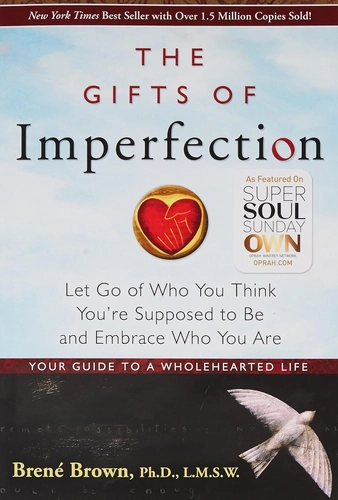
Best for letting go of shame and the pressure to be perfect.
Do you feel that you have to be successful, agreeable, attractive, or emotionally strong to be worthy of acceptance?
The pressure to meet unrealistic expectations can make it difficult to accept yourself as you are. Even when you accomplish something, you may quickly move on to the next thing you believe you need to prove.
In The Gifts of Imperfection, Brené Brown explores shame, vulnerability, belonging, and the pursuit of perfection.
She encourages readers to examine the expectations they place on themselves and consider what it means to live with greater authenticity.
If you often compare yourself with others or feel that you are never quite good enough, this book offers a different way to think about self-acceptance.
10. Permission to Feel by Marc Brackett
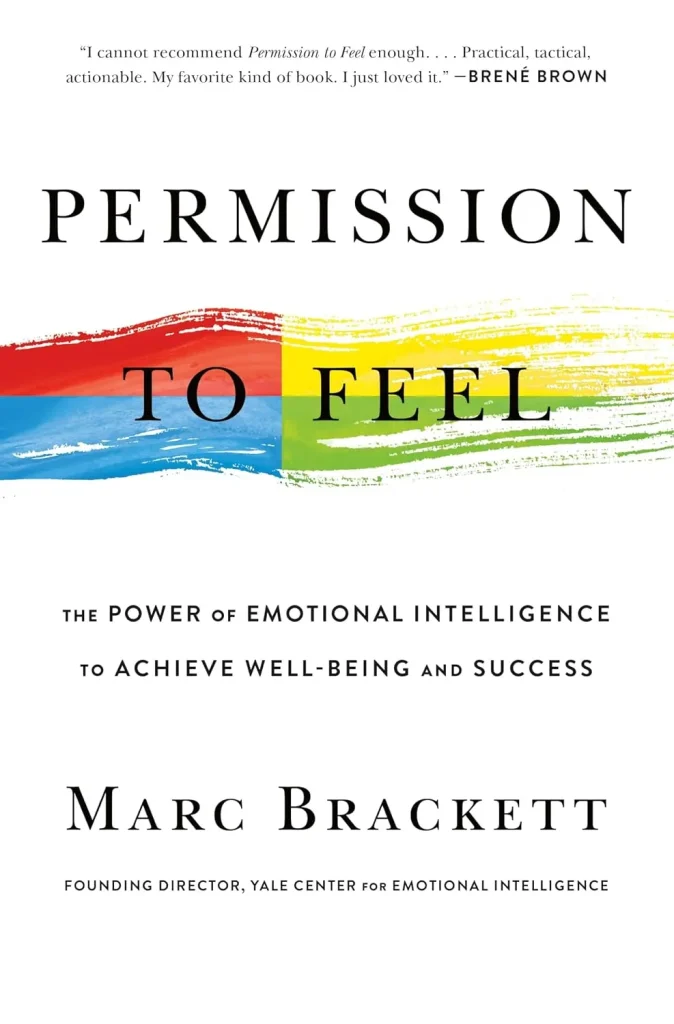
Best for developing emotional awareness and healthier emotional responses.
Ignoring difficult emotions does not necessarily make them disappear.
You may push away sadness, suppress anger, or pretend everything is fine because you do not know how to handle what you are feeling.
In Permission to Feel, psychologist Marc Brackett explores emotional intelligence and explains why recognizing, understanding, labeling, expressing, and regulating emotions are important skills.
He introduces the RULER approach, a framework developed to help people build emotional intelligence.
The book is particularly useful if you want practical ways to understand your emotions rather than automatically reacting to them or trying to suppress them.
It can also help readers become more aware of how their emotional states influence communication and relationships.
How to Choose the Right Emotional Healing Book
Not every emotional healing book addresses the same problem. The most useful starting point depends on what you are currently struggling with.
- If past trauma still affects your reactions: Start with The Body Keeps the Score or Complex PTSD: From Surviving to Thriving.
- If childhood experiences affect your adult relationships: Read Adult Children of Emotionally Immature Parents.
- If you are constantly criticizing yourself: Try Self-Compassion or The Gifts of Imperfection.
- If you are dealing with grief or unresolved loss: Consider The Grief Recovery Handbook.
- If you struggle to understand your feelings: Start with Atlas of the Heart or Permission to Feel.
- If you want to explore your own experiences through writing: Try 777 Little Moments in My Life.
You do not need to read all ten books or work through every difficult experience at once. Choose the one that speaks most directly to what you are facing now.
Final Thoughts
Emotional healing does not always mean forgetting what happened or returning to the person you were before.
Sometimes, it means understanding why certain experiences affected you so deeply. Sometimes, it means learning to treat yourself differently, recognizing unhealthy patterns, or finally finding words for feelings you have carried for a long time.
A good book cannot replace professional support when it is needed, and reading alone does not guarantee recovery. But the right book can give you a new perspective, help you ask better questions, and make difficult emotions a little easier to understand.
Start with the experience you most want to make sense of. You do not have to figure everything out at once.

