Almost every parent has been there: a toy that won’t snap together, a cup that’s the wrong color, a request to turn off the screen—and suddenly, your child erupts into anger.
I still remember the time my daughter burst into such intense tears she could barely catch her breath—because I broke her banana in half. She was just starting elementary school then, and I stood there holding the two pieces, honestly asking myself how a piece of fruit could lead to this.
These moments, while challenging, are rarely about defiance. They’re usually about something deeper.
Why a Child Gets Angry Easily in Daily Life
Children’s brains, particularly the prefrontal cortex—the region responsible for reasoning and impulse control—take years to fully develop. In the meantime, the amygdala, which processes emotional reactions, often runs the show. When a child feels frustrated, the “brake pedal” simply isn’t as responsive as it will be later in life. Low frustration tolerance also contributes significantly. What feels like a tiny bump to us can feel enormous and overwhelming to a child. Add in environmental factors like fatigue, hunger, or overstimulation, and it doesn’t take much for their emotions to spill over.
Is It Normal When a Child Gets Angry Easily?
This is a question many parents ask themselves. The answer largely depends on developmental stage and context. For toddlers and early-elementary children, big emotional ups and downs are part of learning how to handle intense feelings with limited words. During the pre-teen and teen years, hormonal shifts and social pressures can bring another wave of volatility. Typically, a normal anger response has a clear trigger, the child can be soothed within a reasonable time, and it doesn’t cause harm to themselves or others. If the anger is extremely intense, lasts far beyond the situation, or involves aggression that seems out of control, it’s worth paying closer attention.
What Triggers a Child to Get Angry So Quickly
Often, the immediate trigger is just the last straw. Physiologically, hunger, exhaustion, or illness significantly lower a child’s tolerance for frustration. Another common trigger is feeling out of control—being told to stop an activity suddenly, or feeling like their preferences don’t matter, can easily spark pushback. Sensory overload is another underestimated factor. For some children, bright lights, background noise, and constant transitions are draining, leaving them with very little emotional bandwidth to handle even small requests.

How to Help a Child Who Gets Angry Easily
This is where we can make a meaningful difference. It’s not about suppressing anger, but about learning to work with it.
Stay Calm Before Responding
This step is non-negotiable. Children are incredibly perceptive to parental stress. When we raise our voices or appear anxious, their fight-or-flight response intensifies. When we consciously lower our voice and slow our movements, that demeanor can be quietly contagious. This is the principle of co-regulation: your regulated state helps your child find theirs.
Name the Emotion Instead of Fighting It
When a child is flooded with anger, reasoning rarely works. A more effective approach is to label the feeling: “You are so frustrated because the block tower fell.” This isn’t indulgence; it helps activate the part of the brain that processes language, which naturally dials down the intensity of the emotion.
Set Clear and Simple Boundaries
All feelings are acceptable, but not all behaviors are. If a child throws something or hits, say in a few words: “No hitting. I will help you stop.” This sets a boundary without entering a power struggle. It’s not about winning an argument; it’s about providing safety and structure.
Teach Calm-Down Skills After the Moment
The real learning happens after the emotion passes. With younger children, practice breathing techniques like blowing out a candle. With older ones, talk about “what we could try next time.” Each time we review a difficult moment calmly, we’re strengthening their ability to self-regulate in the future.
When my son was younger, there was a stretch where homework frustration would end with him throwing down his pencil and putting his head on the desk. One time, after he had fully calmed down, we sat on the couch and I asked, “If you get stuck again, what’s something you’d want to try?” He thought for a second and said, “Maybe I’ll stand up and get some water.” It didn’t work every time, but over the following weeks, I noticed he’d occasionally do exactly that—and sometimes, that small pause was enough to change the direction of the whole afternoon.
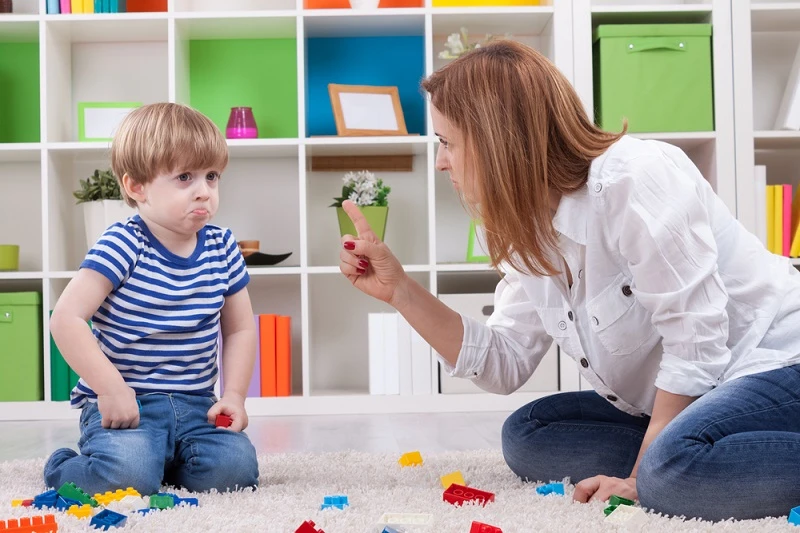
Long-Term Emotional Regulation Development in Children
Over time, the goal is to help children build their own internal emotional brakes. This develops partly as the brain matures, but also through predictable daily routines. Adequate sleep, balanced meals, and consistent connection with you provide a foundation of security that allows children to tolerate frustration better. In calm moments, conversations about emotions through books or everyday scenarios give them the words to articulate feelings before they escalate into outbursts.
FAQ About Child Gets Angry Easily
Q: Why does my child get angry so easily?
A: It’s usually not one reason. It could be a combination of physical needs (hunger, tiredness), accumulated frustrations, or simply a lack of more effective tools to communicate big feelings. Observing patterns around the episodes often provides more insight than searching for a single cause.
Q: How do I calm my child when they are angry?
A: First, ensure safety. Then, get to their eye level and calmly acknowledge their feeling with one short statement, like “You’re really upset right now.” Your calm presence often does more than any specific phrase or solution.
Q: Is it normal for children to have frequent anger?
A: It can be, depending on their developmental stage (e.g., toddler years, early adolescence). However, if the frequency and intensity seem consistently higher than other children their age and it interferes with family life or friendships, it may be a sign to look more closely.
Q: When should I be concerned about my child’s anger?
A: If anger leads to harm of themselves or others, if they cannot recall or reflect on the episode afterward, or if these patterns persist for several weeks without improvement, consulting with a pediatrician or a child development professional can provide valuable guidance.
References:
Center on the Developing Child, Harvard University – Guide to Executive Function & Self-Regulation
American Academy of Pediatrics – HealthyChildren.org: Emotional Development & Tantrums
National Association of School Psychologists – Understanding and Managing Children’s Anger