I chatted with a friend recently, and she shared a small story. Her manager sent a message in their work group. With no reply coming for a long while, she kept second-guessing if she had made a mistake. It turned out her boss was stuck in a meeting. She laughed at herself for overthinking yet could not calm her nerves.
On the way home, I found myself thinking about how many of us live with emotional reactions that seem bigger than the situation itself. Some stem from recent events; others linger from far back in the past. What My Bones Know pushed me to dig into where these automatic responses come from.
Written by podcast producer Stephanie Foo, this memoir follows her seemingly successful life: a solid career and a full social circle. Beneath the stable surface, she lives with sudden bouts of fear, rage and insecurity for years. Therapy leads to a Complex PTSD diagnosis, setting her off on a long search for answers: why do childhood hardships keep haunting her long after they end?
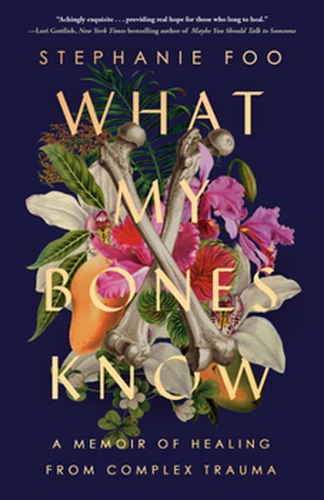
What fascinated me most wasn’t the trauma itself, but her determination to understand what it had done to her, but her ongoing journey to unpack her own mind.
Most people picture trauma as one single terrible incident, easy to fix once its source gets found. Stephanie’s story proves reality is far messier. Trauma never fades with time on its own. It hides in close relationships, conflict responses and tiny everyday moments others brush off as unimportant.
One line sticks firmly in my mind:
“Trauma is not what happened to you. Trauma is what happened inside you as a result of what happened to you.”
Harm lies not only in outside events, but the lasting inner marks they leave behind.
These words brought back my early post-grad years. I rushed to answer every work email instantly, terrified of seeming careless. Criticism would replay in my head for hours. I later learned most anxiety grew from an inner fear of disapproval, not the actual task at hand. Our life stories differ greatly, yet I fully relate to feelings that overpower rational thought.
I admire how Stephanie tries countless healing paths: regular counselling, specialized trauma treatment and learning to build healthy connections. No miracle cure wipes away all her pain. Little by little, she accepts a hard truth: some wounds never vanish entirely. Life’s goal shifts from curing damage to peacefully coexisting with it.
Many overseas readers praise the book for skipping unrealistic rags-to-healing inspiration. Stephanie never becomes permanently free of pain. She only builds a steadier, safer life step by step, and this raw authenticity makes her story powerful.
The book carries heavy content covering domestic abuse, emotional neglect and complex trauma, with several tough, somber chapters. Still, Stephanie keeps a journalist’s sharp eye and honest tone. She mixes personal experience with psychological research and expert interviews to explain how trauma shapes human beings, giving the book both personal warmth and social depth.
After finishing the book, I retain no complicated clinical terms or specific therapy techniques.
What stays with me most is her refusal to stop asking difficult questions about herself, even when the answers were painful.
People often wish for instant full recovery and a clean break from the past. Real healing rarely works that way. It is more like learning to listen to long-silenced inner feelings, figuring out their origins, then slowly living alongside them.
Ultimately, What My Bones Know is not a book about trauma. It is a book about learning how to live with yourself after trauma. Change quietly starts once we stop blaming ourselves for slow progress and start listening to overlooked inner needs. This transformation has no clear finish line; it unfolds along a long, winding road stretching across years ahead.
