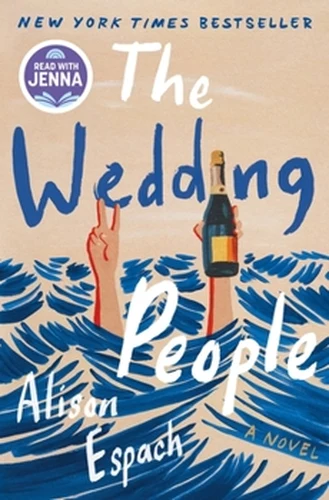
I went to a quiet suburban wedding recently. I like how Espach breaks the perfect wedding image to show inner fragility. The bride’s laugh cleared all nervous tension. I watched the crowd: jittery wedding party, relieved parents, strangers struggling to dance. It hit me that human relationships are messy, yet warm. I picked up Alison Espach’s The Wedding People. The book uses shiny wedding days to show fragile, complicated feelings underneath.
The main character Lina works as a wedding planner. She handles endless small arrangements and hidden client emotions too. Every engaged pair brings personal troubles: old wounds, unspoken nerves and heavy family pressure. These troubles can ruin well-planned weddings anytime. I like how Espach breaks the perfect wedding image to show inner fragility. Lina stays down-to-earth and kind. She balances strict perfection rules with people’s real moods.
Tiny details make the story deeply moving. A strict dad fixes his daughter’s veil softly in one scene. Nobody spots this small move, yet it carries deep fatherly love. It reminds me of my family get-togethers. The best moments never stand out loud. They come from soft talks, quick eye contact and unfinished chats. These little touches make the story real and warm.
Light jokes fill the book as well. Lina teases awkward workers and odd guests. Her jokes ease stress without hurting the story’s emotion. Some side stories about wedding mishaps go on too long and slow the pace. Small happy moments keep people close even during hard times. Some side stories about wedding mishaps go on too long and slow the pace. Still, this slow pace makes the tale feel more like real life.
Above all, The Wedding People talks about surface vs reality, hopes vs honest hearts. Weddings lay bare people’s wishes, fears and need for connection. After reading, I thought over my own life. We try hard to look good in front of others, hide inner worries and let small moves show our true selves. From Lina’s planning work, I learn care and thought stop fights and breakdowns in relationships.
The novel changed how I notice small social cues: quiet words of comfort, clumsy hugs and nervous chuckles. Espach avoids a neat, tidy ending. Instead, she gently reminds readers life’s most meaningful moments are often imperfect and chaotic, made warm simply by someone seeing us as we truly are. The book’s power lies not in dramatic plot twists, but its tender look at ordinary lives and easy-to-miss subtle feelings.
