My husband and I had been married three months when I realized I could count the times we’d been intimate on one hand. I’d gone from craving touch to flinching when he reached for me. I didn’t know why. I just felt gross. The thought of being close made me want to crawl out of my skin. I’d be folding laundry, and he’d put his hand on my shoulder, and I’d freeze. He’d say, “What’s wrong?” and I’d say, “Nothing,” because I didn’t have words for it. I was 37 and had been processing childhood abuse for two years, and somewhere in that work the old way I’d coped stopped working. I thought I was broken. I wasn’t. My body was just finally telling the truth.
Childhood trauma affects relationships by shaping nervous system responses and attachment patterns, which can lead to emotional withdrawal, fear of intimacy, and difficulty feeling safe in close relationships.
Quick Look: 5 things to know about how childhood trauma affects relationships today
- Notice the first moment you want to pull away—your body often reacts before your mind explains it.
- Practice one “I feel” statement each day with someone safe.
- Ask yourself, “Am I responding to now, or to back then?”
- Pick one boundary that feels small but non-negotiable and voice it this week.
- Remind yourself: Your trauma response is not a character flaw.
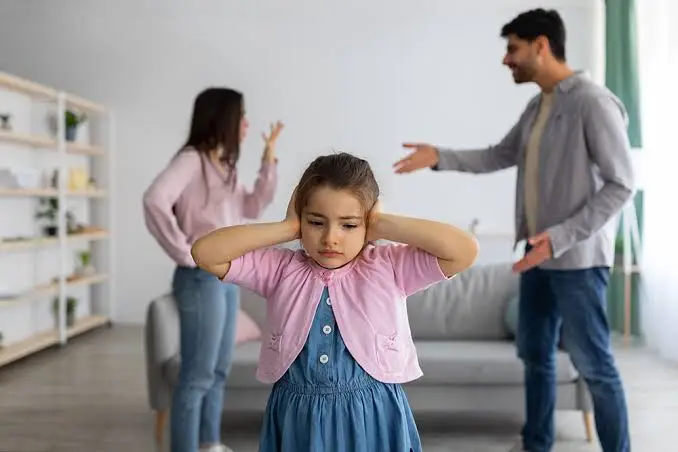
Why Does Childhood Trauma Keep Showing Up in My Adult Relationships?
I used to think I was just bad at relationships. I’d go from being hyper-sexual to completely shut down. I’d trust someone too fast, then push them away the moment they got close. Looking back, it makes sense.
The blueprint for how we connect is built early, long before we choose a partner. When the people who were supposed to keep you safe are the ones who hurt you, your nervous system learns a kind of math: closeness equals danger, vulnerability equals pain.
That math doesn’t disappear when you grow up. It shows up in marriage, friendships, and even parenting.
A lot of survivors describe the same pattern. A partner’s slightly late text can trigger panic. A disagreement about dishes can feel like rejection. “I need a little space” can sound like “I’m leaving forever.”
This isn’t an overreaction. It’s a learned survival response. Your body is reacting to past experiences, not just present reality.
What Actually Helped Me Stop Pushing My Partner Away
For years I thought communicating better meant saying less. I’d swallow my reactions, smile, and then explode over something small. I didn’t know how to say “I’m scared” without feeling like I was too much.
One night, after I’d been silently upset for hours about something small, I finally said:
“I feel really anxious when things feel unresolved between us, and I need us to talk about it before bed.”
He looked at me and said, “Okay. We can do that together.”
Nothing dramatic happened. No fight. No rejection.
That moment rewired something in me: I could have needs and still be loved.
I started practicing “I feel” statements like:
- “I feel worried when I don’t hear from you.”
- “I feel overwhelmed when conversations escalate too quickly.”
I didn’t always say it perfectly. But every time I did, I stopped feeling like I was disappearing inside my own relationships.
If you were parentified as a child, you may feel safer giving than receiving. I had to learn how to receive kindness without earning it. That part still feels uncomfortable sometimes—and that’s okay.
The 5-Minute Check-in That Saved Our Marriage
About a year into my healing, we created a small daily ritual. It takes five minutes.
Every evening, we sit together and answer three questions:
- What was a moment today when you felt safe with me?
- What was a moment when you felt distant or defensive?
- What do you need from me right now—even if it’s just quiet?
At first, I avoided the second question. I didn’t want conflict.
But one night I said:
“When you asked me to fix something while I was reading, I felt pulled away. I need you to ask me instead of telling me.”
He paused and said, “Okay. I’ll do that.”
No defensiveness. No shutdown. Just adjustment.
That’s when I realized something important: we weren’t reenacting old trauma anymore. We were responding to each other in real time.
This ritual works because it keeps things small. You’re not unpacking the whole relationship—you’re noticing one moment of safety and one moment of distance, and repairing it gently.
When Trust Feels Like a Trap
Trust was the hardest part.
When you grow up being blamed or dismissed, your nervous system learns that closeness eventually leads to harm. So even safe relationships can feel suspicious.
I used to test my partner without realizing it—starting small fights just to see if he would leave. When he didn’t, I felt relief… and confusion.
If you relate to this, one small shift that helps is pairing vulnerability with structure:
“I want to share something hard. Can you just listen for two minutes without fixing it?”
Set a timer. Keep it contained.
At the end, you can ask for something simple:
- “Thanks for listening”
- a hug
- or just silence
This creates safety inside intimacy. Over time, your nervous system learns that closeness doesn’t always equal danger.
And if someone consistently can’t respect that container, that’s also information—not about your worth, but about the relationship fit.
FAQ: How Childhood Trauma Affects Relationships
Q: How does childhood trauma affect communication in relationships?
Childhood trauma can make it hard to express needs directly. You may shut down, over-explain, or avoid conflict. Some people find it easier to write feelings before speaking them.
Q: Why do I keep attracting emotionally unavailable partners?
Your nervous system may be drawn to what feels familiar, even if it’s painful. Emotional distance can feel safer than closeness if closeness once felt unsafe.
Q: Can childhood trauma cause fear of intimacy?
Yes. If closeness was paired with stress or harm early in life, your body may react to intimacy with fear, shutdown, or avoidance—even in safe relationships.
Q: Can you heal relationship patterns without therapy?
Some people make progress through self-awareness, journaling, and safe relationships. Because trauma lives in the body, relational safety and somatic awareness are often key parts of healing.
One Last Thing
That night I told my husband I felt anxious about something small, he didn’t try to fix me. He just stayed.
And over time, that became the pattern that replaced the old one.
I still get triggered sometimes. I still withdraw sometimes. But now I notice it sooner. I can come back faster.
Healing didn’t make me a different person. It just made it possible for me to stay in connection while being fully myself.
And for me, that has been enough.