I know that stomach knot. It’s 11 pm and he hasn’t texted back. It’s been 47 minutes. My brain has already written three breakup scripts and replayed every awkward thing I said on our last date. I check my phone again. Nothing. The spiral tightens. Did I do something wrong? Is he losing interest?
This is what anxious attachment symptoms feel like. They’re exhausting. They’re loud. And for a long time, I thought this was just how love worked.
Quick Answer
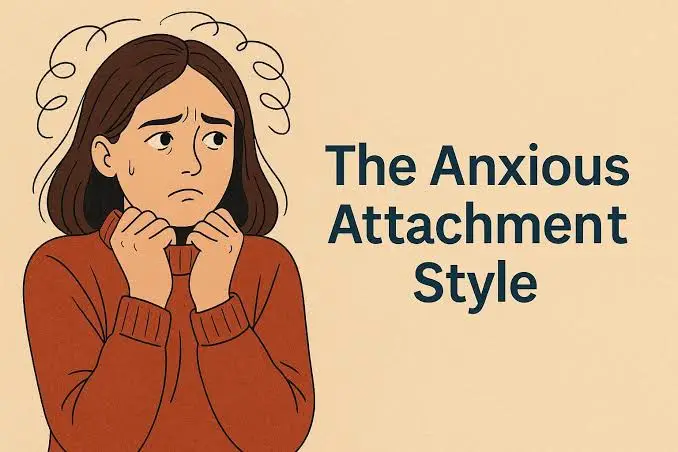
Anxious attachment symptoms are patterns of fear and emotional dependence in relationships. They often show up as constant reassurance-seeking, overthinking delayed responses, fear of abandonment, and heightened sensitivity to perceived rejection.
Quick Anxious Attachment Symptoms Today
Here are the most common anxious attachment symptoms people experience in relationships:
- Notice when you’re asking for reassurance every few hours
- Pause before texting “are you mad at me?”
- Let silence be neutral, not a threat
- Ask yourself: is this real evidence or my fear talking?
- Remember: your value doesn’t depend on their attention
Why Do Anxious Attachment Symptoms Show Up in Relationships?
Anxious attachment symptoms aren’t a personality flaw. They’re a learned survival pattern.
When you were young, your caregivers may have been inconsistent. Sometimes they responded to your needs. Sometimes they didn’t. Your nervous system learned one rule:
👉 Love must be monitored or it disappears.
So now, as an adult, your system reacts quickly to emotional distance.
A delayed text feels like abandonment. A short reply feels like rejection. A partner’s bad mood feels like your fault.
But the key truth is this: you are not reacting to the present—you are reacting to old emotional memory.
And something important to understand is that attachment is not fixed.
You are not anxious with everyone.
- With consistent people, you feel calmer
- With emotionally available partners, anxiety decreases
- With inconsistency, anxiety increases
So the issue is not just “you.” It’s the dynamic between you and another person.
I remember realizing my anxiety felt like a younger version of me inside—panicked, scanning for signs of abandonment. That awareness changed everything.
How Do I Know If I Have Anxious Attachment Symptoms?
Here are the most common anxious attachment symptoms—and what secure behavior looks like instead.
Constant Need for Reassurance
Anxious: Repeatedly asking “Do you still love me?” or “Are you mad at me?”
Secure: Trusting that love doesn’t disappear between messages
Reading Into Delays or Silence
Anxious: “They haven’t replied… something is wrong”
Secure: “They’re probably busy”
Overanalyzing Everything
Anxious: Replaying texts, tone, emojis, conversations
Secure: Not searching for hidden meaning in everything
Testing Your Partner
Anxious: Withdrawing to see if they chase
Secure: Communicating needs directly
Over-Apologizing
Anxious: Apologizing for having needs
Secure: Apologizing only when harm actually occurred
Clinging When They Pull Away
Anxious: More calls, more texts, panic escalation
Secure: Respecting space without panic
Hyper-Focus on Their Mood
Anxious: “Are they okay? Is it because of me?”
Secure: Letting others own their emotions
The “Let Them, Let Me” Practice
This is one of the simplest tools that helped me manage anxious attachment symptoms.
Let them:
- Not reply immediately
- Need space
- Have their own emotional world
Let me:
- Calm myself
- Do something grounding
- Reconnect with my own life
It sounds simple, but it interrupts the spiral.
Instead of chasing reassurance, I learned to ask:
👉 “What do I need right now that doesn’t depend on them?”
At first, this felt uncomfortable. I wanted reassurance, not responsibility. But over time, something shifted.
I stopped outsourcing my emotional safety.
When You Catch Yourself Seeking Reassurance
Pause.
Ask yourself:
- What am I afraid will happen?
- Is there actual evidence, or just fear?
- Has this person shown care before?
Then ground yourself in reality, not prediction.
Most anxiety lives in imagined futures, not current facts.
What If My Partner Is Avoidant?
This is where many anxious attachment patterns intensify.
If your partner is inconsistent or emotionally distant, your system becomes more activated. But it’s important to understand:
👉 You cannot fix their attachment style
👉 They cannot fix yours
What you can do is observe the pattern:
- Do you feel secure with them overall?
- Or do you feel constantly uncertain?
- Do they respond to your needs or dismiss them?
Attachment is a two-person dynamic. The pattern exists between you.
Frequently Asked Questions About Anxious Attachment Symptoms
Q: Can anxious attachment symptoms go away completely?
They can reduce significantly. Many people move toward secure attachment through awareness, emotional regulation, and healthier relationship experiences.
Q: What causes anxious attachment symptoms to flare up?
Inconsistency is the biggest trigger—hot and cold behavior, delayed responses, or emotional unpredictability.
Q: How do I stop anxious attachment symptoms in the moment?
Pause, breathe, and separate fear from facts. Do something grounding. Avoid impulsive texting. Let the emotional wave pass before reacting.
Q: Do I have anxious attachment or am I just in the wrong relationship?
Both are possible. A secure person can feel anxious in an unstable relationship. Look at your patterns across different relationships, not just one.
One Last Thing
That night I was waiting for a text at 11 pm, I thought silence meant rejection.
Now I see it differently.
Silence is just silence.
These days, when anxiety shows up, I notice it—but I don’t follow it.
I let them be.
And I let me stay with myself.
The knot in my stomach doesn’t control me anymore. And that changes everything.