It was 2:37 PM on a Tuesday. I was standing in my kitchen, staring at the dishwasher. Nothing special. No bills due that day, no argument lingering, no scary news. Yet my heart decided it was time to sprint. My palms got clammy, my chest tightened. I couldn’t figure out why. I just stood there, feeling like something was deeply wrong, but with no story to pin it to. Anxiety in daily life no reason at all. And that terrified me more than if I had a “good” reason.
Here’s the truth: You’re not broken. This is insanely common. Many of us, maybe most of us, have moments where anxiety shows up uninvited, without a clear trigger. It’s not proof that something’s wrong with you. It’s your body doing its job too enthusiastically. The good news? You can learn to spot what’s actually happening and ease the internal friction before it eats your afternoon.
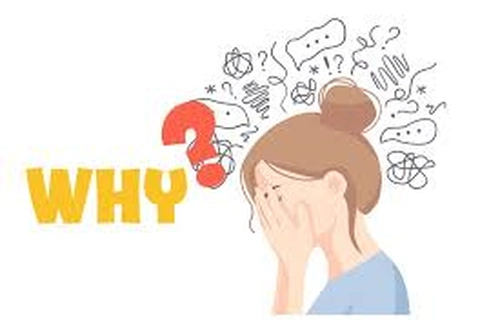
Why Does Anxiety in Daily Life Happen for No Reason?
I used to think every anxious feeling had to be traceable. If I couldn’t point to the cause, I believed I was making it up, or worse, losing it. Turns out, that’s not how our nervous system works. As therapist Rachel Brown explains, “Most of the time, anxiety occurs for no apparent reason.” Your brain’s threat-detection system can fire off even when the conscious you sees no threat. It’s like a smoke alarm going off because you burned toast three days ago. Annoying, but real.
So where does unexplained anxiety come from? Sometimes it’s invisible stress your body has been storing but your mind has ignored. A micro-frustration from this morning, a slight noise that reminded your amygdala of something old, or just too much scrolling before bed. Hormone shifts, lack of sleep, too much coffee, and even the anticipation of something exciting (a trip, a date) can feel identical to fear. Your body doesn’t always distinguish between “excited heart” and “panic heart.” It just feels it all as anxiety. And if you grew up learning to suppress emotions, the anxiety might be the only channel your body knows to say, “Hey, pay attention.”
How to Quiet Anxiety in Daily Life for No Reason (Without Overanalyzing It)
First, stop asking “Why am I anxious?” when you’re already in the spiral. That question often piles more anxiety on top of the anxiety. Instead, try these approaches that have pulled me, and many people I know, out of the loop.
1. Name it and let it be there. As therapist Rachel Goldberg says, just because you don’t know what’s causing the anxiety doesn’t mean it isn’t real. So when it shows up, literally say to yourself, “Okay, there’s anxiety doing its thing. This is just a feeling passing through.” It sounds too simple, but it works because you stop fueling it with curiosity.
2. Check your body’s basic needs before your thoughts. Did I sleep enough? Did I eat today or just drink coffee? Am I dehydrated? Low blood sugar, exhaustion, and caffeine jitters can perfectly mimic panic. Fixing that often calms the anxiety without any mental gymnastics.
3. Use deep belly breathing as an emergency brake. Deep breathing is not just a cliché. When I feel that random jolt, I inhale for four counts, hold for four, exhale for four, and hold again. This box breathing floods your brain with oxygen and tells your nervous system “you’re safe.” It interrupts the fight-or-flight signal even when your mind hasn’t caught up.
4. Burn off the excess energy with movement. Anxiety is often just extra adrenaline with nowhere to go. A brisk walk, ten jumping jacks, or even shaking your hands out hard for thirty seconds can help that energy move through you and out.
5. Write it down, even if you write “I don’t know what to write.” Journaling without any goal can pull hidden unease into the light. I’ve sat down convinced I felt fine, only to scribble out three pages of tiny resentments and forgotten worries I’d been carrying. That release alone drops the anxiety a few notches.
The “Stop & Scan” Framework: A 5-Minute Ritual for Random Anxiety
I learned this from a friend who used to call it her “inner reboot.” I’ve adapted it and now call it the Stop & Scan, and it’s saved more afternoons than I can count.
Here’s how it works: The moment you notice that unsettling buzz of anxiety with no known reason, you literally stop whatever you’re doing. Pause the podcast, set down the spoon. Then scan three things:
- Scan your body. Notice where the sensation lives. Tight throat? Cold hands? Heavy chest? Without judgment, just acknowledge it. Often the physical awareness alone loosens the grip.
- Scan your recent inputs. What did I watch, hear, or read in the past hour? Could a social media post, a fleeting memory, or a subtle sound have tickled the alarm? Don’t dig deep; just notice.
- Scan your upcoming hours. Is there anything later today, even something good, that I’m holding some pressure about? Anticipatory anxiety often disguises itself as random dread.
This simple scan, done in under five minutes, pulls you out of the story “something is wrong with me” and into the pragmatic observer role. It reduces the inner battle because you’re no longer fighting an unknown enemy. You’re just gathering data.
When Random Anxiety Hits at Weird Moments
I’ve had it happen while folding laundry, while laughing with friends, while watching a puppy video. The contrast can make it feel even scarier. But here’s the thing: pleasant moments are actually when the brain sometimes processes unresolved stress, because it finally feels safe enough to let the armor down. It’s not a sign you can’t enjoy life. It’s a sign your system is clearing backlog. If that resonates, try saying to yourself, “Oh, my brain is just doing maintenance.” Yes, it’s a little weird. But it helps.
Simple Physical Hacks That Help Right Now
Beyond breathing, two things that work for me and many others: cooling the vagus nerve. Splashing cold water on your face, holding an ice cube, or pressing a cold cloth to the back of your neck can activate the parasympathetic “rest and digest” system. And don’t underestimate aromatherapy. A scent like lavender or peppermint (whatever you find grounding) can shortcut the brain to a calmer state. No meditation apps needed, just your senses.
Frequently Asked Questions
Q: Can you have anxiety in daily life for no reason and still be a totally healthy person?
A: Absolutely. Random anxiety is like a hiccup of the nervous system. It doesn’t mean you have a disorder. It happens to perfectly healthy people during stressful seasons, hormonal shifts, or when they’re running on fumes. It becomes a problem only if it’s interfering with your ability to live your life day after day.
Q: Why do I get sudden anxiety for no apparent reason when I’m about to relax?
A: This is more common than you’d think. When you finally slow down, your body’s baseline alertness might drop, and any internal tension you’ve been ignoring suddenly becomes noticeable. It’s not that relaxation causes anxiety, it’s that relaxation reveals the anxiety that was already there.
Q: Can untreated random anxiety for no reason become worse over time?
A: It can, but not because it grows on its own. It often worsens because the fear of the anxiety itself creates an avoidance cycle. You might start fearing certain times of day or activities, and that secondary fear fuels more anxiety. This is why accepting the feeling, rather than fighting it, is so powerful. If it feels like it’s taking over, talking to a professional can help break that cycle.
Q: Is my random anxiety just overthinking, or is something physically wrong with me?
A: It’s wise to check in with a doctor if symptoms like racing heart, shortness of breath, or chest pain concern you, just to rule out physical causes. But many discover after checkups that it’s indeed anxiety. Remember, anxiety can produce very real physical symptoms that feel like a medical emergency. Knowing that can be reassuring when you learn to read your body’s language.
One Last Thing: The other day I was standing near that same dishwasher, and the familiar flutter came. But this time I just put my hand on my chest and said, “There you are again. You can stay, I’m just going to finish the dishes.” And the wave didn’t disappear, but it softened into something manageable. Not because I’m stronger now, but because I stopped fighting it. Sometimes that’s all the inner peace you need.
