My jaw was tight as I sat on the couch at 10 p.m., scrolling through emails I’d already read. I felt anxious. Not a full-blown panic, just this low hum of dread I couldn’t pin to anything. The room was quiet. My kid was asleep. Everything was fine. So why did I feel like something terrible was about to happen?
Here’s the truth: I’m not alone, and neither are you. Many adults walk around with that vague, unsettled feeling every day. That’s why I went deep into gathering the best anxiety tips for adults I could find. These aren’t clinical solutions from a textbook. They’re the small, doable things that helped me, and a few million other people, turn down the volume on that persistent worry.
Why Am I Anxious? The Hidden Triggers Most Adults Miss
I used to think anxiety was just a reaction to obvious stress—a job interview, a bill I couldn’t pay. But then I started tracking it. Mornings after two cups of coffee. The hour before my wife came home, when I’d been alone all day. Steering clear of a crowded grocery store without thinking. Anxiety often starts with uncertainty, and grown-up life is basically an uncertainty factory.
Your brain, trying to protect you, fills the gaps with worst-case stories. That’s why you can feel trapped in your own head while sitting in a perfectly safe room. The stress hormones are real, but the threat isn’t. So the first step in any list of useful anxiety tips for adults is to know what lights your fuse. For me, it’s hunger, caffeine after noon, and checking my bank account at midnight. For you, it might be something else entirely.
Pay attention to your body when anxiety hits. A stiff neck? Shallow breathing? A sudden need to clean the kitchen? Those physical signs are your early warning system. Once you know them, you can act before the wave peaks.
How to Deal with Anxiety: 10 Actionable Tips for Adults
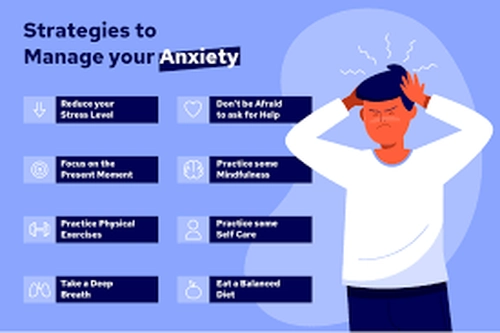
When I first searched “I feel anxious” at 2 a.m., I needed something I could do right then, not next week. These ten strategies, drawn from my own trial and error and the wisdom of researcher Judson Brewer, are exactly that. Think of them like a menu. You don’t have to use them all. Pick one or two, and when you get comfortable, maybe try another.
1. Name Your Triggers Before They Name You
Pull out your phone or a notebook. Write down the last three times you felt anxious. What happened right before? Who were you with? Had you eaten? This simple exercise made me realize I always tensed up before calls with a particular relative. Now I plan a short walk right after those conversations, and the dread doesn’t stick.
2. Get Moving to Burn Off the Buzz
When I’m teetering on the edge of panic, a set of jumping jacks in the bathroom feels ridiculous. But it works. Physical activity releases dopamine and can reset your mood in minutes. It doesn’t have to be a gym session. Dance in the kitchen. Walk the dog hard for ten minutes. Your body needs to spend the tension somewhere.
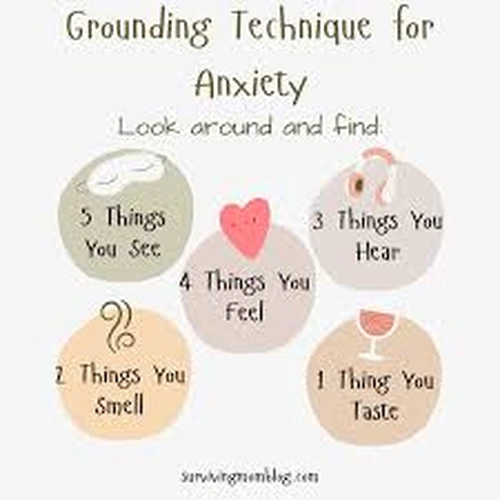
3. Anchor Yourself with Your Senses
This is my favorite. If my thoughts are looping, I grab an ice cube and hold it. The cold is so specific that my brain has to pay attention to my hand instead of the imaginary catastrophe playing in my head. You can also count the colors you see, listen for the farthest sound, or run your palm over a textured cushion. Dr. Judson Brewer, in his book Unwinding Anxiety, says curiosity can short-circuit anxiety. Sensory grounding makes you curious about what’s actually happening, right now.
4. Try the RAIN Method for an Anxious Moment
Brewer’s RAIN method is: Recognize the anxiety, Allow it to be there without fighting, Investigate it with curiosity (where exactly do you feel it in your body?), and Note the sensation. I usually say to myself, “Oh, there’s a tight fist in my chest. Interesting.” Naming it aloud, even in a whisper, can make the intensity drop by half.
5. Breathe Like You’re About to Fall Asleep
Longer exhales than inhales activate your rest-and-digest system. I use the 4-7-8 pattern: inhale for four counts, hold for seven, exhale for eight. It’s awkward at first. But after three rounds, my shoulders drop away from my ears. Many effective anxiety tips for adults circle back to this because it’s fast and free.
6. Question Your Brain’s Scary Story
Anxiety tells you the worst outcome is certain. But is it? When I’m convinced my boss hates me because of one vague email, I ask: What’s the actual evidence? Has she ever complained before? Is it possible she’s just busy? Reframing doesn’t mean deluding yourself. It means turning “I’m getting fired” into “I might need to clarify something.” That shift is everything.
7. Meditate for Five Minutes, Not Fifty
You don’t need a silent room and a cushion. I sit in my parked car after dropping the kid at school and listen to a guided body scan. Even a short meditation strengthens your ability to notice when you’re spiraling and to choose a different response. It’s like building a muscle you can flex anytime.
8. Reach Out Before You Withdraw
My instinct is to hide when I’m anxious. But isolating myself gives the worry monster room to grow. Now I text my best friend: “Hey, I’m in a spin. Can you tell me something dumb that happened today?” Her stories about a raccoon in her trash can pull me out of my head. Pick a person who won’t judge and just let them in.
9. Build Small, Stress-Busting Habits
I stopped drinking coffee at 3 p.m. and my nighttime anxiety dropped noticeably. I also started a stupidly simple bedtime routine: pajamas, cool bedroom, a ten-minute fiction read. These daily choices aren’t as thrilling as a quick fix, but they lower my baseline anxiety so I have fewer fires to put out.
10. Know When It’s Bigger Than Self-Help
If you’ve tried all of this and you still can’t sleep, you’re avoiding friends, or dread has shrunk your life, talk to your doctor. That’s not defeat. It’s just smart. A therapist can help you untangle deeper roots, and sometimes medication is the bridge you need to get steady enough to use these tools.
The “Sensory Switch” Tool: A Go-To Anxiety Reset for Adults
I needed something reliable I could use anywhere—no apps, no alone time. So I built a habit I call the Sensory Switch. The moment my chest gets tight or my thoughts speed up, I pick one sense and jam it with a strong, neutral input. Cold water on my wrists. A loud song with heavy bass. The smell of peppermint oil I keep in my bag. I focus on that sensation like my life depends on it. For ten seconds. That’s it. Ten seconds of intentional distraction breaks the anxiety loop long enough for me to think, “Okay, I’m still here. Nothing bad happened. I can handle this.”
It’s not magic. But after a few weeks of practice, the switch flips faster, and my brain starts to trust that the panic will pass. That’s the real goal—not to never feel anxious, but to stop being afraid of anxiety itself. To stop the internal war that burns up all your energy. Because you are not your anxiety. You are the person who can watch it, name it, and let it go.
FAQ: Real Questions About Anxiety Tips for Adults
1. What are the best anxiety tips for adults who can’t step away from their desk?
A sensory reset works perfectly here. Keep a bottle of cold water on your desk and drink slowly, noticing the temperature. Do slow, four-count breaths while you type a mundane email. Even a 60-second stretch at your chair can lower stress chemicals enough to get you through the next hour.
2. How quickly will these anxiety tips for adults start working?
Some, like controlled breathing or holding an ice cube, can offer relief within a few minutes. Others, like building better sleep habits, may take a few weeks to shift your baseline. The key is consistency. Using one or two strategies daily trains your brain that you have some control, and that alone reduces anxiety.
3. Can I use anxiety tips for adults if I’m not sure what triggers me?
Absolutely. Start with the physical signs. Next time you feel off, scan your body for tension, shallow breathing, or a knot in your stomach. Ground yourself with a sensory tool first. After the moment passes, write down what happened earlier. Over time, patterns will emerge. No rush.
4. Are there anxiety tips for adults that work specifically for nighttime worry?
Nighttime anxiety is a beast. Try the 4-7-8 breathing method in bed, or do a brain dump on paper an hour before sleep—list every nagging thought. Pair that with keeping your bedroom cool and screen-free for twenty minutes before you lie down. If the spinning mind persists, get up and do a small, mindless task in low light until you feel sleepy.
I still get that 10 p.m. tight jaw sometimes. But now I know what it is. I don’t have to solve it. I just breathe out longer than I breathe in, feel my feet on the floor, and wait. It passes. It always passes.
