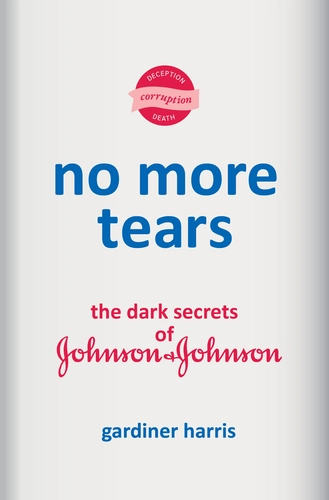
I chatted with a friend recently. She was buying Johnson’s baby shampoo for her newborn. “It’s the safest,” she said. I nodded, but I felt something twist inside me. Because I had just finished Gardiner Harris’s No More Tears. And I knew something she didn’t. The book asks a question I can’t shake: What happens when a company we trust with our children’s soft skin turns out to be hiding something dangerous?
The Man Who Saw the Mess
Harris is a former New York Times reporter. He spent years investigating Johnson & Johnson. The book follows his journey from a small story about talc powder to a sprawling network of bribes, cover-ups, and lies. The protagonist isn’t a hero in the usual sense. He is a journalist, stubborn, slightly obsessive, the kind of person who can’t let go of a thread. You watch him pull on that thread, and the whole fabric of a beloved brand unravels. The core conflict is simple: a company that sells “No More Tears” shampoo might have caused real tears. The suspense comes from how deep the corruption goes. I won’t spoil the ending. But I will say this: the book doesn’t let you off easy. It leaves you with an uncomfortable feeling. What do we do with the knowledge that our trust was misplaced?
The Imagery of Clean Hands
The central theme here is betrayal. Not a personal betrayal. An institutional one. Harris uses a quiet, almost clinical tone. He doesn’t shout. He just lays out the evidence. One image stuck with me: the way Johnson & Johnson’s marketing always showed happy babies, clean homes, perfect families. Harris breaks that image. He shows you the executives who knew about asbestos in talc, the bribes paid to doctors, the internal memos that said one thing while public statements said another. The craft is in the accumulation of small details. A document here, a whistleblower there. It feels like watching someone dig through a landfill, slowly finding pieces of a shattered promise. The book asks: How do we know who to trust? The answer, Harris suggests, is uncomfortable. We can’t know everything. But we can demand transparency.
The Trust We Can’t Afford to Lose
I finished the book and felt a kind of grief. Not for Johnson & Johnson, but for the idea of trust itself. Harris’s work echoes across time. In an age of fake news and corporate spin, we are all vulnerable. No More Tears is not just a book about one company. It is a mirror held up to our own willingness to believe. The core insight hit me hard: Trust is not a feeling. It is a calculation. And we often calculate badly because we want to believe the story we are told. The book’s real gift is not the scandal itself. It is the lesson that we must listen to the people who pull on threads, even when it makes us uncomfortable. Maybe that is what courage looks like. Not the absence of doubt, but the willingness to follow the facts anyway.
