I have never been to Afghanistan. I have never stayed in a hotel that became a war zone. But I chatted with a friend recently about the old train station in our hometown. It used to be grand. Now it is a crumbling shell with a convenience store in the lobby. We both felt this strange ache. Not for the building itself, exactly. More for the life it once held.
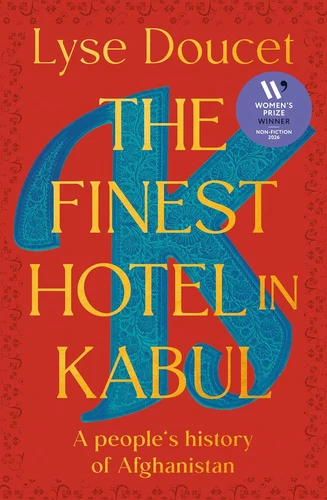
That is the feeling Lyse Doucet captures in The Finest Hotel in Kabul. She is a BBC correspondent who has covered Afghanistan for decades. Her book is not a history of generals or politicians. It is the story of one hotel, the Kabul Intercontinental, and the people who passed through its doors. Can a building hold the memory of a nation’s soul?
The Hotel as a Living Character
The Kabul Intercontinental is not a character you would root for at first. It is perched on a hill, looking down at the dusty city. It was built in the 1960s, a time when Afghanistan was trying to become modern. Western diplomats drank cocktails on its terrace. Afghan families celebrated weddings in its ballroom. Doucet paints this with sharp, vivid strokes. You can almost smell the whiskey and the jasmine.
Then the wars came. The Soviets. The Mujahideen. The Taliban. The Americans. Each era changed the hotel. It became a military base. A refuge. A target. Doucet does not tell you who won or lost. She tells you about the cook who stayed because he had no other home. The wedding planner who hid guests in the kitchen during a rocket attack. The bellboy who learned English by listening to CNN.
The core conflict is not between armies. It is between the hotel’s will to remain a place of life and the world’s determination to turn it into a battlefield. I will not tell you how it ends. But I will say this: the most powerful moment involves a chandelier that survived every bombing. It was still hanging when I read about it. That image made me put the book down. It is not just a chandelier. It is a kind of stubborn hope.
Layers of Silence and Space
The central theme is not war. It is the ordinary. Doucet argues that the real Afghan history is not in the headlines. It is in the quiet spaces between explosions. She focuses on key imagery: the cracked marble floor, the broken elevator, the garden where roses still grow despite the shrapnel.
Her craft is subtle. She interviews dozens of Afghans, but she lets them speak in their own rhythms. She does not impose a dramatic arc. Instead, she collects fragments. A woman who sold tea in the lobby for thirty years. A guard who taught himself calligraphy during night shifts. These stories do not have neat beginnings or endings. They just exist. That is the point.
This character’s struggle reveals a universal pattern. We all want to believe our small lives matter. We want to think that the hotel we worked in, the garden we tended, the tea we served, is worth remembering. Doucet’s book says it is. The grand narratives of empires and ideologies will fade. But the cook who stayed, the bellboy who learned, the chandelier that hung, those things persist. They are the real history.
What Remains After the Bombs
I finished this book and felt a strange calm. Not happiness. Something deeper. It is the recognition that trauma and beauty can share the same room. The hotel is still standing today. It has been renovated. It is not the finest hotel anymore. But it is still there.
The book has its limits. Doucet is a journalist, not a novelist. Some sections feel like extended reporting. She does not answer the big political questions. You will not learn who was right or wrong. That is not the point.
Who should read this? Anyone tired of war stories that treat people as statistics. Anyone who has ever wondered what happens to the places history forgets. You will gain a new respect for the ordinary. You will understand that survival is not just about living. It is about keeping the garden watered.
The core insight is this: The finest hotel in Kabul was never the building. It was the people who treated strangers like family, who swept the floors after the attack, who refused to leave. Maybe that is what a country really is. Not its borders or its leaders. But the people who stay.
