I went to a local indie wrestling show last year. Maybe twenty people in the audience. The wrestlers sold their own T-shirts from a folding table. One guy did a flip off the ropes and landed wrong. The crowd gasped, then cheered louder. I remember thinking: why do they do this? The pay is terrible. The crowd is small. The risk of injury is real. But there they were, night after night. When I read Rough House: A Father, a Son, and the Pursuit of Pro Wrestling Glory by Alison Lyn Miller, I found my question answered. What drives someone to keep going when the world barely notices?
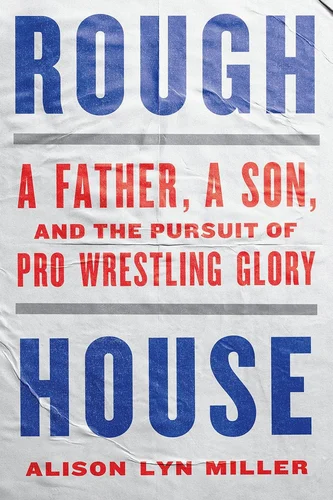
How a Father and Son Embody the Struggle
The book centers on a father and son, both chasing pro wrestling careers on the independent circuit. The father is past his prime, working a day job he hates, driving hours to small gymnasiums for a match that pays fifty bucks. The son is young, hungry, but still learning. He takes bumps that leave bruises for weeks. He wrestles in front of crowds that could fit in a school bus. Miller does not romanticize them. She shows the grind. The motel rooms. The injuries that never fully heal. The phone calls that don’t get returned. What makes the book work is how she lets us see their bond fray and hold. They push each other. They embarrass each other. They need each other.
The suspense here is not about whether they “make it.” You know early on that the big break probably won’t come. The question is subtler. Will they still love this thing when it breaks them? I will not spoil how it resolves, because the real ending is not a championship belt. It is a decision about what counts as success. The father says something near the middle of the book that stuck with me. He says wrestling is the only place where he feels fully alive. Even when he loses.
What the Ring Really Means
The core theme here is dignity. Not the kind that comes from trophies or fame. The kind you give yourself when nobody is watching. Miller uses the wrestling ring as a metaphor, but she earns it. She describes the ropes, the turnbuckles, the canvas, the lights. These are not glamorous details. They are practical. A wrestler learns to fall a certain way to protect his neck. He learns to read a crowd of twelve people as carefully as a performer at Madison Square Garden.
The key imagery for me was the father taping his wrists before a match. He does it slowly, deliberately, like a ritual. The tape holds together a body that has been through too much. But it also holds something else. His belief that this matters. Miller does not tell us that. She shows us his hands moving, the tape unwinding, the silence in the room. I found myself thinking about the small rituals we all have. The things we do to prepare for the parts of life that feel important, even when no one else understands why.
This character’s struggle reveals a universal pattern. We all have a rough house of our own. A thing we pour ourselves into that the world might call foolish. Miller’s craft lies in how she never mocks her subjects. She respects their dream, even when it looks ragged. She respects the crowd too. The fans who show up every week. The ones who buy the T-shirt and believe.
What We Get from This Book
Here is what the book actually offers. Miller covers the specifics of the independent wrestling scene. The promoters who pay late. The wrestlers who sleep in cars. The politics of getting booked. The injuries that end careers. These facts matter because they ground the story in reality. She also introduces the concept of “working the crowd.” In wrestling, that means manipulating emotion. But Miller turns it into something deeper. She suggests we all work the crowd in our lives. We perform versions of ourselves. The question is whether we perform for the right reasons.
Who is this book for? Honestly, not just wrestling fans. It is for anyone who has ever loved a thing that seemed impractical. A garage band. A community theater. A small farm. A craft fair booth. The book has limitations. The pacing drags in the middle. Some of the minor characters blur together. But these feel like small complaints against what the book does well. It makes you feel less alone in your own strange pursuit.
After I finished, I sat with the final question Miller leaves open. She does not answer it, and that is the point. She asks: if nobody remembers your name, was it still worth it? I have been turning that over for days. Maybe the answer is not a yes or a no. Maybe it is a choice you make every morning, like taping your wrists before a match.
