The last time I really lost it, I was standing in my kitchen at 7 a.m. The milk had spilled, the toast was burning, and my phone buzzed with an email that made my stomach drop. A bubble of rage rose so fast I actually saw white. My heart hammered. My jaw locked. And I nearly screamed at the cat. That’s when I knew: I need to stop getting angry so easily before I wreck my morning, my relationships, or my own nervous system.
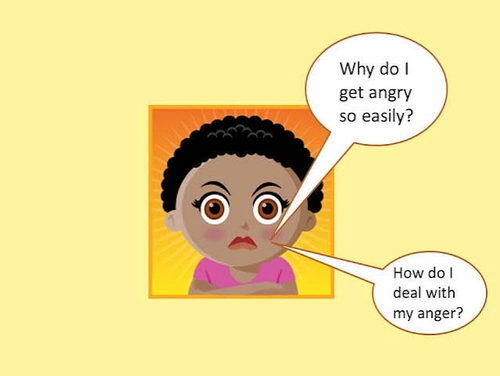
Here’s the truth: you’re not broken, and this isn’t a moral failing. Anger is a physical flash flood, not a personality defect. A lot of us never learned what to do with that first hot surge except let it take the wheel. The good news? You can change the pattern, and you can do it faster than you think.
Why Do I Get Angry So Easily?
Anger isn’t an emotion you choose; it’s a biological alarm. When your brain perceives a threat—someone cutting you off in traffic, a colleague dismissing your work, your kid running into the street—it fires up the sympathetic nervous system. Heart rate spikes, blood pressure jumps, adrenaline floods your system, and your muscles tense. Evolution gave you this so you’d fight for survival. But in modern life, that same system gets triggered by a slow WiFi connection or a passive-aggressive text.
The speed is what messes us up. Your emotional brain processes a situation and slaps a label on it—wrong, unfair, dangerous—in milliseconds. Your body is already in fight mode before your rational mind has a chance to weigh in. That’s why you can go from zero to “I can’t believe I just said that” in the span of a breath. It’s not that you’re a hothead. It’s that your wiring is extremely good at its job. Most of us don’t get angry easily because we’re bad people; we get angry easily because we haven’t yet built a tiny gap between the spark and the explosion.
How Can I Stop Getting Angry So Easily? Practical Ways to Take Back Control
You can’t stop anger from showing up, but you can stop it from driving. The goal isn’t to suppress it—stuffing rage just lets it come out sideways, as headaches, coldness, or a cutting remark two days later. The goal is to buy yourself a handful of seconds so your thinking brain can clock back in.
Here’s what works, drawn from what anger researchers keep finding and what real people swear by:
- Pause before you speak. Even three seconds changes the outcome. Count to ten, slowly. Or silently name what you feel: “I’m flooded with anger right now.” That tiny act of labeling activates the prefrontal cortex.
- Breathe like you’re coasting downhill. Drop your shoulders, unclench your jaw, and take a long exhale. Your body hears that exhale as a signal that the threat is over, even if the email is still sitting there.
- Step away physically. If you feel the urge to slam a door or throw something, remove yourself. Walk to the bathroom and splash cold water on your face. The temperature shift can jolt your nervous system out of a rage loop.
- Move your body. One man I know pounds the drums. He says, “It takes my mind off it. I just pound something for a few hours and then I enjoy playing.” For you, it might be a brisk walk, a set of squats, or screaming into a pillow. Physical release discharges that adrenaline without hurting anyone.
- Write it out filthy. I’ve scrawled furious letters I’ll never send, every curse and unfair accusation. Getting the venom onto paper empties the tank. Twenty minutes later, the real issue is usually visible, and it’s almost never as dramatic as the first paragraph.

The 3-Minute Reset Ritual to Stop Rage Before It Rages You
I cobbled this together after a morning when I nearly exploded on a customer service agent who had done nothing except read a script. It’s called the 3-Minute Reset, and it’s designed to cram the best of what works into a sequence you can run anywhere—in a parked car, in a bathroom stall, at your desk with headphones on.
Minute 1: Name it and claim it. Say to yourself exactly what you’re angry about and why, using “I” statements. “I’m furious because I feel dismissed.” No sugarcoating. Just get it out of your head and into words.
Minute 2: Body check-in. Close your eyes. Notice where the anger lives: tight chest? Hot face? Then deliberately soften that area. Breathe in for four counts, hold for four, exhale for six. This activates the vagus nerve and slows your heart rate within sixty seconds.
Minute 3: Choose a response. Ask, “What do I actually need here?” Maybe you need to set a boundary. Maybe you need to log off and eat lunch. Maybe you need to circle back in an hour. The point is, you get to decide instead of reacting. Once I asked myself that question and realized I just needed to tell my partner, “I’m overwhelmed and need ten minutes alone.” That single sentence, delivered calmly, stopped five rounds of bickering.
Understanding What Lights Your Fuse
One of the best long-game moves is to get curious about your patterns. When you’re not angry, write down what sets you off most often. For some it’s feeling disrespected. For others it’s being interrupted. For me, it’s any situation where I feel powerless. I started noticing I got snappy right before meetings where I hadn’t prepared enough. So I built in an extra fifteen minutes of prep. Took the edge right off.
Pay attention to early warning signs, too. I know I’m about to boil over when my hands get cold and I start talking faster. Spotting that gives me a chance to deploy the Reset before I’m in the red.
Simple Body Tricks That Quiet Anger Instantly
The physical side of anger is surprisingly easy to hack once you understand it. When your nervous system is screaming “fight,” you can talk back with your body:
- Cool the tiger. Splash cold water on your face or hold an ice cube. The mammalian dive reflex slows down heart rate.
- Progressive muscle relaxation. Clench your fists tight, then release. Go through muscle groups one by one. This short-circuits the physical tension that fuels rage.
- Change your temperature. Even opening a window and letting cold air hit your skin can reset your system a little.
A client once told me she kept a frozen orange in her freezer. When she felt the heat rising, she’d hold it. The cold and the silly image of herself holding an orange made her laugh, and laughter is chemically incompatible with rage.
Assertive Words That Prevent Anger From Building Up
A lot of our anger comes from swallowing feelings until they burst. Learning to speak up early, before you’re seething, is a game changer. That doesn’t mean being aggressive. It means stating your needs with “I” and keeping your voice steady.
Instead of “You never listen to me,” try “I feel unheard when we talk while the TV is on. Could we pause it for five minutes?” Instead of “That’s a stupid idea,” try “I see it differently. Here’s my concern.” It feels clunky at first. It works. The booklet from Mind says it plainly: “If you keep shouting, people will stop listening.” Low, clear, and early keeps the pressure from ever reaching explosive levels.
FAQ: Answers When You’re Asking How to Stop Getting Angry So Easily
1. Why do I keep getting angry so easily over little things?
Often it’s not the little thing. It’s the bigger thing you’ve been ignoring. When a third minor inconvenience makes you snap, it’s probably because your stress bucket is already full. Check what’s actually going on beneath the surface.
2. How can I stop getting angry so easily at work?
Build micro-breaks into your day. Before you reply to that irritating email, stand up, stretch, and ask yourself what outcome you actually want. If the anger is persistent, document what triggers it and see if you can shift your workload, ask for clearer expectations, or set a boundary around after-hours messages.
3. Can I learn to stop getting angry so easily without therapy?
Many people make huge progress with self-guided tools like the 3-Minute Reset, regular exercise, and assertive communication. But if anger is damaging your relationships or making you feel out of control, talking to a trusted GP or a counselor can give you more personalized strategies. It’s not a weakness; it’s like taking your car to a mechanic when the engine light won’t turn off.
4. Does getting angry easily mean I’m a bad person?
No. Anger is a normal, healthy emotion. The problem isn’t the feeling; it’s the behavior that sometimes follows. Many of the bravest social changes have been fueled by moral outrage. The difference lies in how you channel that fire.
One last thing. A few weeks after I started practicing these pauses, I had another kitchen meltdown moment. The coffee maker overflowed, the dog was barking, and I was already late. I felt the familiar heat rise. I caught it. I paused, took one long breath, and heard myself say, “Okay, this is a mess, but yelling won’t un-spill the coffee.” Then I laughed, because it was such a mundane little disaster. I cleaned it up, walked out the door, and the whole morning didn’t unravel. That’s the thing about anger: you don’t have to vanquish it. You just have to stay in the room with it long enough to choose who you want to be next.
