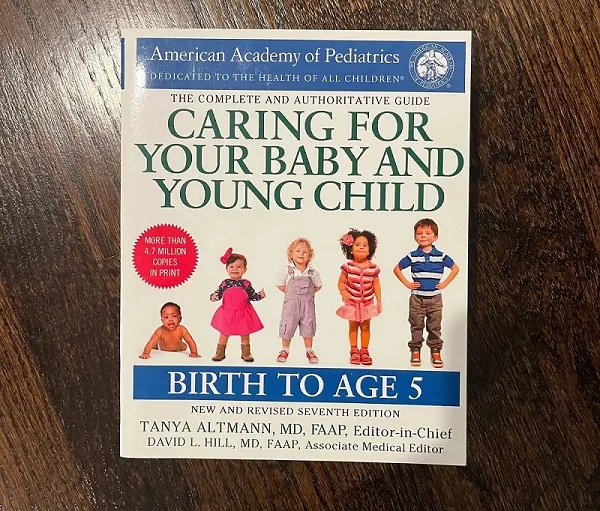
I bought this book six weeks before my first child was born. I was one of those exhausted, anxious parents-to-be, staying up late reading forums and second-guessing every decision. When this 800-page brick arrived in the mail, I almost laughed. I thought, “Who has time to read all this?” Honestly, I didn’t read it cover to cover.
I skimmed, I flipped, I panicked, and I kept coming back. And somewhere between the chapter on diaper rash and the section on febrile seizures, I realized something strange: this book was less about baby care and more about parenting as a psychological survival guide. How do you absorb all that information without losing yourself?
The Voice That Told Me It Was Okay to Be Tired
The protagonist of this book is not a character. It’s you. Or rather, it’s the version of you that feels completely inadequate at 3 AM when the baby won’t stop crying and you haven’t showered in two days. The book opens with a chapter on emotional preparation, which I almost skipped. But I’m glad I didn’t. Here’s what it says: your baby gives you unconditional love, absolute trust, the joy of discovery, emotional highs. And you give them: unconditional love, self-worth, values and traditions, happiness, health, a safe environment, skills and abilities.
I remember reading that list and feeling something crack inside me. Because I had been so focused on doing things right — the right sleep schedule, the right feeding position, the right burping technique — that I had forgotten about the emotional part. The book doesn’t say this directly, but here’s what I took from it: parenting is not a checklist. It’s a relationship.
The conflict in this story is the tension between fear and trust. Between doing everything “correctly” and just being present. Between the grandmother who says “don’t pick him up every time he cries” and the pediatrician who says “respond immediately in the first few months.” Between the old wisdom and the new science. And honestly, that tension never fully resolves. You just learn to live inside it.
The Quiet Rebellion Against Conventional Wisdom
The core theme here is this: parenting advice has a history, and a lot of it is wrong. The book challenges the idea that babies can be “spoiled” by too much attention. It says that in the first few months, crying is a form of communication, not manipulation. It says that responding quickly builds trust and security, not dependence. I found this deeply comforting because it gave me permission to trust my instincts.
There is a subtle light in the way the book handles uncertainty. It doesn’t pretend to have all the answers. It says things like “most babies do this, but yours might not” and “if your child has a fever over 104°F, call your doctor, but don’t panic.” That last one is hard to follow, I know. But the book tries to hold your hand through it.
What I found most powerful is how the book reframes the parent-child relationship. It says: treat your child as an individual. Love yourself first. Be a role model. Let your child learn self-worth from watching you. That’s a radical idea, isn’t it? That your job is not to mold your child but to become someone worth imitating.
The Book That Made Me Question Everything, Including Myself
This book is not perfect. It’s too long. Some sections are repetitive. And honestly, reading about all the things that could go wrong — the illnesses, the injuries, the developmental delays — can make you more anxious, not less. There were nights when I closed the book feeling as though I had more questions than answers.
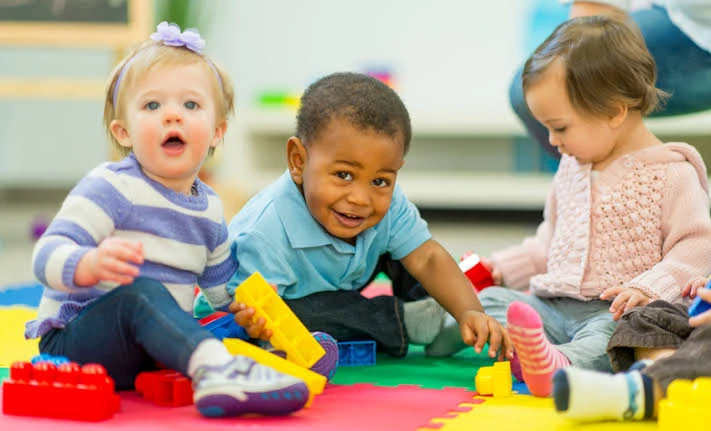
But here’s what happened after I put it down. I started to believe that parenting is not about being perfect. It’s about being present. It’s about learning alongside your child. I stopped obsessing over the right swaddle technique and started paying attention to my baby’s face. And you know what? The book was right. Most things work themselves out.
Who should read this book? New parents who want a science-based reference. People who need permission to trust their gut. Anyone overwhelmed by conflicting advice. Who should skip it? Parents who already feel confident and don’t want more information. People who get anxious from reading about worst-case scenarios.
The real emotion I’m left with is gratitude. Not for the facts — I’ve forgotten most of them anyway — but for the permission this book gave me to be human. To make mistakes. To love imperfectly. To trust that the child in my arms is more resilient than I think.