You know that scene. You’re in the kitchen trying to get dinner going, and your toddler has attached to your leg like a barnacle. Your partner walks over, arms out for a hug, and your little one loses it. “No! Want Mama!” — at full volume.
If that rings a bell, welcome to the club. I’ve been through this rodeo twice now. Both kids went through their “only mom” phases, and I remember those days well. I’d be standing there thinking, “Did I cause this? Is my husband going to feel rejected forever?” Let me tell you what I eventually figured out: it’s not about you, it’s not about your partner, and it’s definitely not anyone’s fault.
Here’s the short version: This is a normal developmental phase tied to attachment and separation anxiety. It usually peaks somewhere around 12 to 24 months, but can pop up anytime between one and three. It will pass. And there are actually things you can do that help.

The Parent You Aspire to Be
Miles CarterPractical guidance for tantrums, backtalk, lying, screen addiction, emotional outbursts, and everyday parenting struggles.
What This Actually Looks Like Day to Day
You’re probably nodding along to some version of this: your toddler wants mom for everything. Bath time? Mom. Bedtime? Mom. If dad even tries, there’s crying, pushing away, maybe a full tantrum. Something as small as handing over a cup of milk can turn into “NO. MAMA DO IT.”
It shows up in pretty specific ways:
- They physically reject dad. Pushing hands away, turning their whole body toward you when he tries to pick them up.
- Emotions run high. Crying or screaming the second you leave the room—even if you’re just going to grab something from the next room.
- The words become clear. “No Daddy! Mama!” becomes their go-to phrase.
- Nighttime is the hardest. Only mom can do the whole bedtime routine. Middle-of-the-night wake-ups? They’re calling for you specifically.
I remember one stretch with my daughter where she’d start crying just from my husband walking into her room at night. He’d look at me with this defeated expression, and honestly, it broke my heart for him. But here’s what I kept reminding myself—and him—it wasn’t personal. She was just being a toddler.
Is This Actually Normal?
Yes. Absolutely. I asked myself this question plenty of times, and the answer kept coming back the same way.
What’s behind all of this is rooted in how attachment develops. Kids at this age are just starting to understand that they’re separate from their parents—and that’s genuinely unsettling for them. Somewhere around 12 to 18 months, separation anxiety ramps up naturally. They’ve figured out you still exist when you leave the room, but they haven’t fully grasped that you’ll always come back.
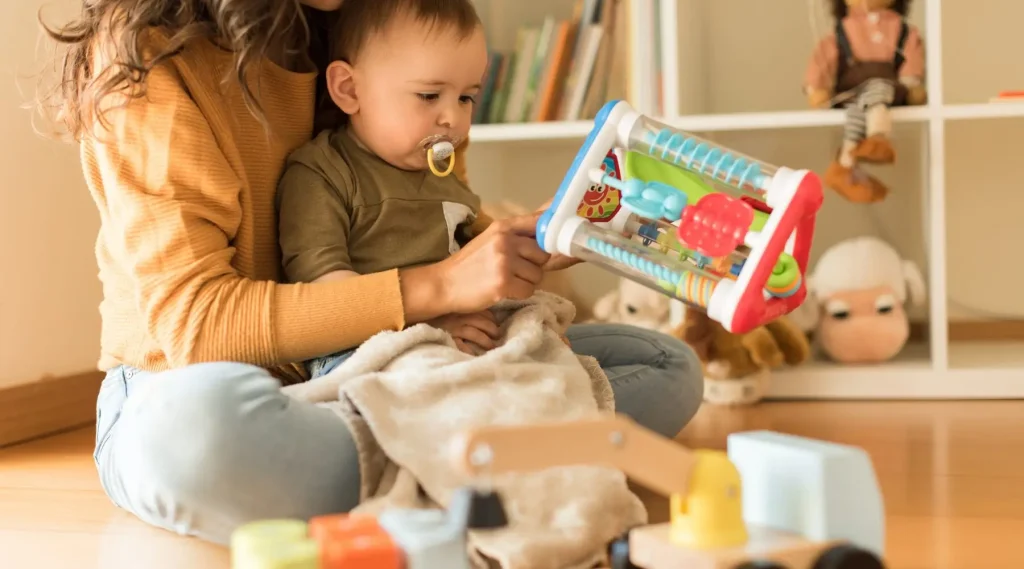
The mom preference tends to happen because mom is usually the one handling most of the daily care. But even in families where both parents split things equally, a strong preference phase still shows up all the time. It’s not a competition. It’s about who represents that core emotional safety net.
People who study child development talk about these phases as part of healthy attachment building. It’s how kids learn that relationships are steady and trustworthy, even when they feel uncertain. Honestly, the preference itself is a sign that your child has formed a secure bond with you.
Some kids go through this once. Others cycle in and out—maybe at 12 months, then again around 2 or 3. Some have a clear mom preference that drags on for months. Either way, it fits squarely within normal development.
Why the “Only Mom” Thing Happens
You’re the Primary Person in Their World
If you’re the one handling most of the feeding, soothing, and day-in-day-out stuff, your toddler has built their whole sense of security around you. That’s not a flaw. That’s exactly how healthy attachment is supposed to work. You’re their home base. When things feel uncertain, they come back to you.
It comes down to predictability. They know how you hold them. They know how you respond when they’re upset. They know what to expect from you. And in a world that feels huge and confusing, that familiarity is a big deal.
Separation Anxiety Peaks at This Age
Between 12 and 24 months, separation anxiety tends to hit its highest point. They’ve developed object permanence — they know you still exist when you’re not around — but they don’t have a great handle on time or the certainty that you’ll come back. So every time you step out, even for a minute, they feel a version of loss.
That’s why you see them cling harder when they’re tired, hungry, or in new places. Their emotional tank is running on empty, and they’re reaching for the person who makes them feel safe again.
You’re Their Emotional Anchor
Toddlers don’t have the words to tell you they’re frustrated, scared, or overwhelmed. So those big feelings come out as big reactions. And mom often becomes the person they turn to for help calming down.
When your toddler only wants you, they’re not rejecting your partner. They’re looking for the person who’s been their emotional anchor from day one. They’ve learned that when they’re with you, things feel more manageable. It’s not that dad doesn’t matter—it’s just that their brain has wired calmness to your presence.
Does this sound like you? There’s more to explore.
Explore the Collection →Awakening to Human Nature

Break the Anxiety Circle

Say it Right..Every Time.
The Parent You Aspire to Be

What You Can Actually Do to Help Dad Connect
Start Small with Routines
Toddlers thrive on routine. Pick one small thing that dad does every day with your child — reading a book before bath time, making breakfast together, or five minutes of silly play after dinner. When toddlers know what’s coming, they feel more in control.
Keep it short at first. Five good minutes of dad-time beats twenty minutes that end in tears. Over time, as your toddler builds trust, you can stretch those windows a little longer.
Let Dad Take Over the Fun Stuff First
If dad only steps in when your toddler is already upset, the association can become “dad means hard times.” Instead, have him handle positive moments first—playtime, snack time, a walk outside.
Once that feels natural, hand off small comfort tasks. If your toddler is mildly upset, let dad try to soothe them before you jump in. The key word is gradual. You’re not flipping a switch from “mom does everything” to “mom disappears.” You’re making small shifts over days and weeks.
Don’t Vanish on Them
This one’s tough. When your toddler is screaming for you and your partner wants to help, the instinct to just leave the room and let them “sort it out” is strong. But that approach usually backfires.
Here’s why: your child’s brain is telling them they need you to feel okay. If you disappear, they learn that their fear was spot-on—so next time, they hold on even tighter. Instead, stay close while dad takes the lead. Sit nearby while he reads a story or plays with blocks. Your presence keeps the stakes lower, and your toddler can start building trust with dad without feeling abandoned.

A Few Things to Avoid
Don’t Force Separation
I’ve known parents who try to fix the mom-preference by physically removing mom from the house—leaving, hiding out, telling the toddler “mom’s gone.” It tends to backfire badly.
Your toddler is already scared of losing you. Disappearing on them doesn’t help them feel more secure with dad. It teaches them they were right to be scared, and they just grip tighter.
Don’t Make It a Guilt Thing
It’s hard not to feel frustrated when your child rejects your partner. But comments like “Why don’t you like Daddy?” or “You’re making Daddy sad” don’t help.
Your child isn’t trying to hurt anyone. They’re acting on instinct. Layering guilt on top of that instinct just confuses them. Try a calmer approach instead: “I see you want Mama right now. That’s okay. We’re both right here.”
Frequently Asked Questions
Q: Why is my toddler stuck on wanting mom 24/7?
It’s a normal thing tied to attachment and separation anxiety. They see you as their main source of emotional safety, and they’re still learning that other people can provide comfort too. It’s a stage, not a problem.
Q: Does this mean something’s wrong with their attachment?
Usually not. A strong mom preference is normal for toddlers between one and three. It’s only worth worrying about if your child is consistently inconsolable for long stretches, or if they refuse all other caregivers for months on end. Check with your pediatrician if you’re unsure.
Q: How long is this going to last?
It really varies. Some kids move through it in a few weeks. Others hang onto it for months. It tends to peak around 18 months and ease up as they develop more language and confidence. Some kids have a second round around 2.5 or 3.
Q: What’s the best way to help my toddler warm up to dad?
Small steps. Build routines. Start with fun, low-stakes activities. Stay close while dad leads. Don’t force sudden separation. And be patient—it’s a slow process.
Q: Should I be worried about the crying when I leave?
Some crying is totally normal. What matters is whether your child eventually calms down with the other caregiver. If they settle—even after a few minutes—that’s reassuring. If they’re completely inconsolable for long periods every single time, it’s worth bringing up with your doctor.