My brother’s son is two and a half, right in the middle of that “mommy only” phase.
Last weekend, I watched him spend nearly an hour playing happily with his dad. Then his mom called from the kitchen, and he immediately dropped everything and ran toward her yelling, “Mama!”
My brother looked at me and said, “I’ve been playing with him for an hour. She said one sentence and I lost.”
If you’ve experienced something similar, you’re not alone.
Many toddlers go through a stage where they strongly prefer one parent, often their mother. In most cases, this doesn’t mean they love dad less. It usually reflects attachment patterns, caregiving routines, and a toddler’s developing sense of safety.
Understanding Toddler Attachment
What Is Toddler Attachment?
My nephew loves his dad. He’s just in a stage that every child goes through, even if few of us remember it.
Toddler attachment usually becomes noticeable sometime around age one. Who feeds them, who puts them down for a nap, who gets up first when they cry at night. Those small moments, repeated hundreds of times, quietly draw a map in a child’s mind — a map of who feels safest. This has little to do with being “clingy” or “shy.” Think of it as an invisible string. One end tied to the child, the other tied to the person they know best.
Toddler attachment doesn’t need to be fixed. It’s just a normal stop on the road of growing up.
Why Toddlers Often Prefer Mom
The most common reason toddlers prefer mom is that she is often the primary caregiver.
From a toddler’s perspective, the person who regularly feeds them, comforts them, helps them sleep, and responds when they cry becomes their strongest source of security.
This preference is usually about familiarity and emotional safety, not about loving one parent more than the other.
Back to my brother. He’s actually a very involved dad. He takes the kid on weekends, changes diapers without being asked. But his son still wants mom for almost everything. This pattern of toddlers preferring mom is very clear in their house.
I’ve watched their daily routine. Every morning, the first word out of his mouth is “Mama”. At meals, he wants to sit beside her. If he falls and gets hurt, he runs straight to her for comfort.
This isn’t because my brother is doing anything wrong. His son has simply spent more time relying on Mom for comfort and care.
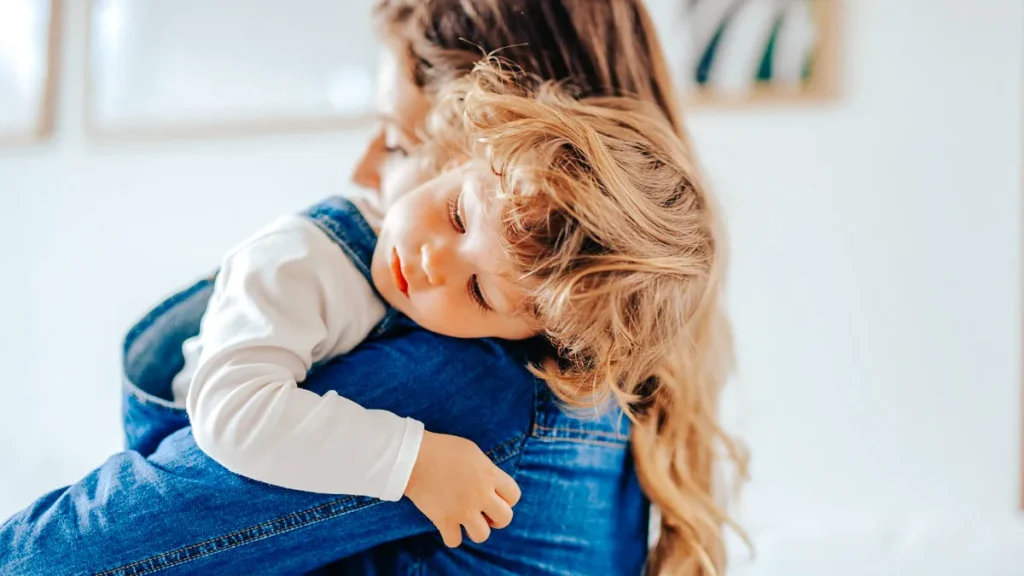
Common Reasons Toddlers Prefer Mom
Biological Factors and Toddler Attachment Theory
Some children show a stronger preference for the parent they associate with early comfort and regulation.
For breastfeeding mothers, that may include feeding, physical closeness, and soothing during infancy. These experiences can contribute to a strong emotional connection, especially during the first few years.
However, this doesn’t mean fathers are less important. Attachment develops through consistent caregiving, regardless of which parent provides it.
Routine and Primary Caregiver Role
If that natural closeness is the first brick, daily routines are the hands that lay the rest.
Who changes the diaper. Who makes the bottle. Who handles the middle of the night wake ups without losing patience. None of these feel like a big deal on their own. But together, they become the entire frame of a toddler’s life. The primary caregiver naturally becomes the child’s most relied on person through doing these things.
A neighbor of mine has an 18 month old. The dad really wants to help. Every night he says, “I’ll put him to bed.” But if mom is home, the kid won’t even take a sippy cup from dad. Dad holds it out. The kid pushes it away and yells “Mama, Mama.” That’s the power of toddler routine — the child’s brain has learned that “I need help” connects to “find mom.”
That dad asked me once, “Am I doing something wrong?”
I told him no. His son wasn’t choosing one parent over the other. He was simply relying on the person who had been meeting most of his daily needs.
Separation Anxiety and Comfort Needs
Between about 12 and 36 months, many toddlers experience periods of separation anxiety.
During this stage, children may become upset when a preferred caregiver leaves the room, even briefly.
Many toddlers use a parent as a safe place to return to when they feel unsure. Toddlers explore their environment, then return to a trusted caregiver for reassurance before moving away again.
When a child strongly prefers mom during this phase, it is usually a reflection of where they feel most secure—not a sign that they don’t love dad.
How Dads Can Build a Stronger Bond
Spending Quality Time
A lot of dads ask: okay, so what can I actually do? I can’t quit my job and stay home.
You don’t need to. What helps is regular, predictable quality time. Building dad bonding with toddler doesn’t require big gestures. Small, consistent moments work just fine.
My husband started taking our daughter to feed ducks at the park every Saturday. At first, she cried for me the whole time. Sat in her stroller twisting around to look for me. He didn’t give up. Same park, same pond, same bread pieces, same day every week. Almost two months later, one Saturday she reached out her arms toward him and said “Duck. Duck.”
After that, feeding the ducks became their thing. It’s not about long hours. It’s about the child learning that time with dad is predictable, safe, and enjoyable.
Play, Patience, and Positive Reinforcement
Dads can try playing a little differently than moms do.
Moms are often more careful — “don’t fall,” “not too messy.” Dads can be different. Gentle lifts, slow spins, silly dinosaur roars. Kids actually like that slightly more exciting style. One of the most effective toddler bonding tips comes from playing, not teaching.
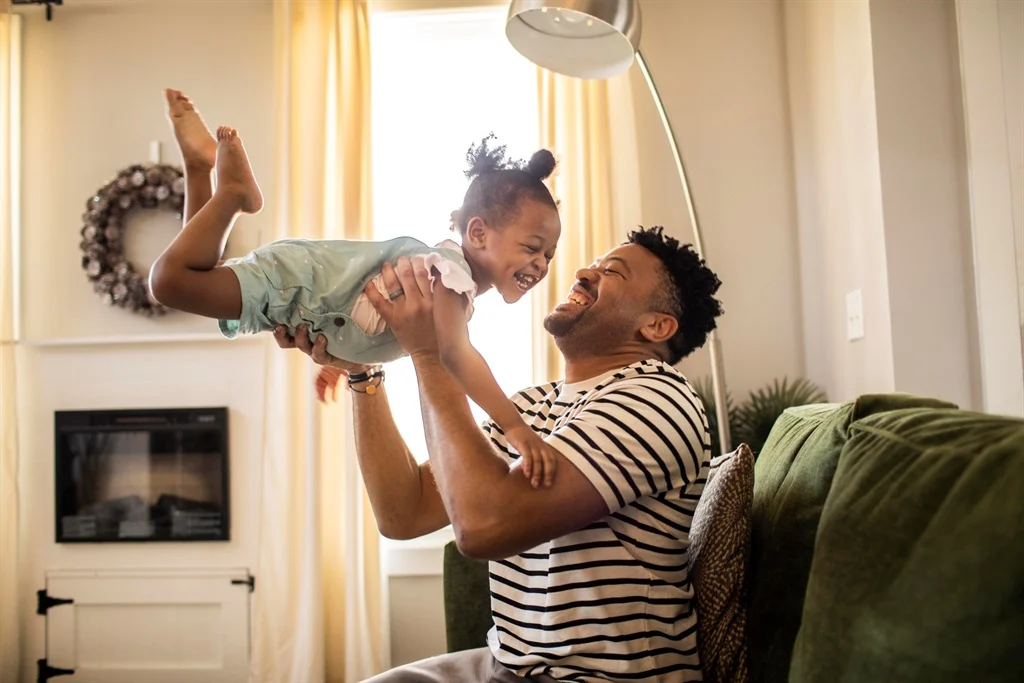
My husband once dealt with a similar situation. Our daughter was terrified of the vacuum cleaner for a while — she would hide behind me as soon as she heard it. Instead of saying “there’s nothing to be afraid of,” he started picking her up before turning on the vacuum. He would buzz around the room making “vroom vroom” sounds, pretending the vacuum was a game. Within a month, she wasn’t just okay with the vacuum — she wanted to press the button herself.
Patience matters too. If a child pulls away from dad, and dad looks disappointed or walks off, the child may feel even more uneasy. A warm “That’s okay, I’ll sit here and play with your truck” gives the child space to come closer on their own terms.
Positive reinforcement goes a long way. When a child makes a small move toward dad — hands over a block — a simple “thank you” works better than any big speech. These father-child activities don’t need to be elaborate. Consistency and gentleness are what matter.
Sharing Caregiving Responsibilities
The most solid approach is for dad to take over one specific daily task.
Try making “bath time is dad’s job,” or take over pajamas, lotion, or a short bedtime story. Create a little ritual that belongs just to dad.
A friend of mine, her husband started putting lotion on their kid every night and singing the same off key song. At first the kid squirmed and didn’t cooperate. But he did it every single night. Six months later, at the end of bath time, the kid would call out “Wait for Daddy” and stick out his little arms. Toddler attachment grows from “only mom” to “both parents” through exactly this kind of shared routine.
When dad stops being a “sometimes playmate” and becomes a fixed part of the child’s daily care — someone who does real, specific, necessary things — the child’s attachment grows on its own.
When to Seek Advice
Most toddler preference for mom is normal and shifts over time. But if you notice signs of toddler behavior concerns, consider consider consulting a pediatrician or child psychologist for support:
- The child completely refuses to be alone with the other parent — even for a minute — and screams to the point of almost gagging
- The other parent just approaching makes the child hit, kick, bite, or curl up and go completely silent
- The preference doesn’t ease up at all for many months or more than a year, and it starts affecting sleep or eating
A professional can help figure out if something else is going on. Most of the time, this is just a phase. But if you keep worrying about it, one conversation with an expert can put your mind at ease.
Frequently Asked Questions (FAQ)
My Toddler Only Wants Mommy at Bedtime — What Should I Do?
Establish small bedtime routines with dad, like reading a story or putting on pajamas. Predictable rituals help toddlers feel safe and gradually build attachment to both parents.
Why Does My Toddler Cry for Mom and Not Dad?
Toddlers often cry for mom because she’s been the primary caregiver, handling most routines and comforting them. This is normal and usually improves as dad spends more consistent time with the child.
How long does this phase last?
It varies. Some children show more balance by age two or three. Others take longer. Most naturally ease out of it as they grow and meet more people.
Do all toddlers prefer mom to dad?
Not necessarily. It depends on family routines, temperament, and culture. Some toddlers prefer dad or a grandparent, and that’s also normal.
Does this mean dads are less important?
No. A toddler’s early preference doesn’t measure the long term parent child relationship. Dad’s role matters deeply, just in different ways.
How can dads encourage toddler attachment?
Start with small, consistent routines — a special game, a bedtime task. Be patient. The child needs time to build the same sense of predictability with dad.
If your toddler only wants mom right now, it can be frustrating—especially for dads who are trying hard to connect.
But toddler preference isn’t a scorecard.
Children don’t measure love the way adults do.
They simply run toward the person who feels safest in that moment.
The good news is that attachment grows through thousands of small interactions. A bedtime story, a Saturday walk, a silly game before bath time—these moments matter more than most parents realize.
One day, the child who only wanted Mom may suddenly ask Dad to read the bedtime story instead. These shifts happen slowly, but they happen.
Today’s “Mommy only” phase doesn’t predict tomorrow’s relationship.
Sources
- American Academy of Pediatrics (AAP) – Social emotional development in toddlers
- Zero to Three – Attachment and caregiver preference
- American Psychological Association (APA) – Child development topics