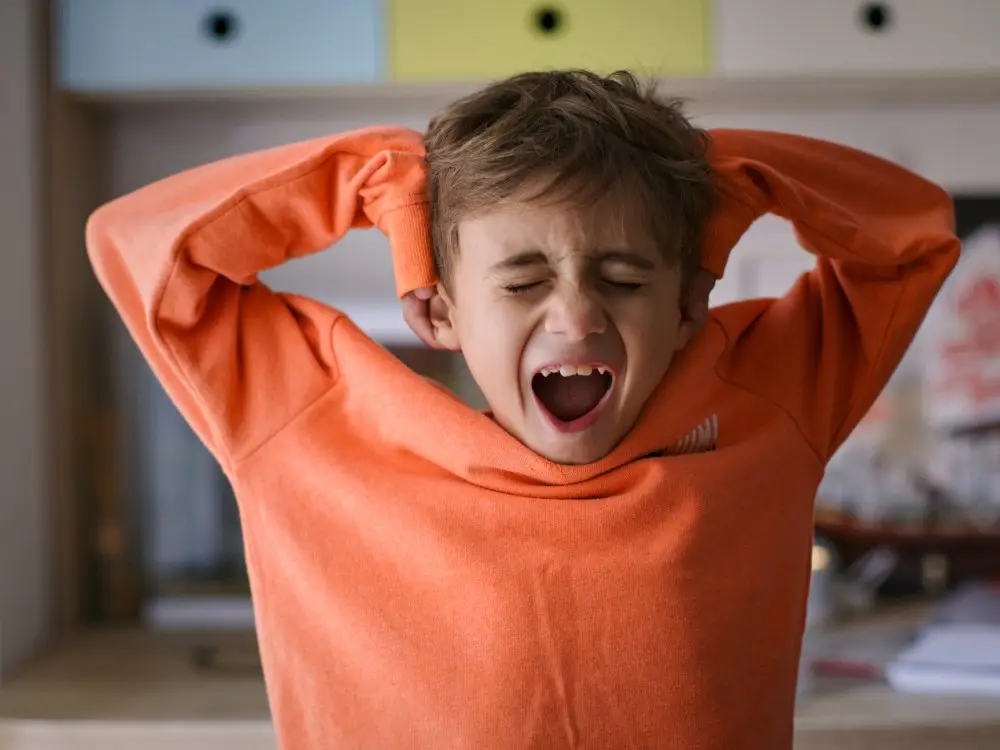
When your child seems angry all the time, it’s easy to assume they’re just difficult, defiant, or badly behaved. But constant anger in children rarely means they’re trying to be “bad.” What it usually signals is something deeper: a child who is struggling to manage their emotions in a way that works for their age and stage of development.
Anger is a normal emotion. It shows up when we feel hurt, scared, frustrated, or overwhelmed. But when anger becomes the default response to everyday situations, it often points to emotional dysregulation. This essentially means the part of the brain that helps a child pause, think, and choose a response isn’t fully online in that moment. When a child is dysregulated, they aren’t choosing to be angry. Their nervous system has taken over, and they genuinely cannot access the self-control or reasoning skills they might have at other times.
This doesn’t mean kids should get a free pass. But it does mean that effective parenting starts with seeing anger as a signal, not a personal attack. Your job isn’t to eliminate anger — it’s to help your child learn how to manage it.
Most articles are read once and forgotten.
Some ideas are worth coming back to.
Why Is My Child So Angry All the Time? Common Causes
There’s rarely one single reason a child is constantly angry. Most of the time, the cause is a combination of what’s happening around them and what’s going on inside them.
Emotional overload (stress, school pressure, overstimulation)
Children are constantly bombarded with demands and sensory input. School expectations, social dynamics, busy schedules — even noise at home — can overwhelm a child’s nervous system. When the brain feels overloaded, it doesn’t have the capacity to manage frustration or disappointment calmly. Anger becomes the release valve for all that built-up pressure. Kids who seem fine at school may fall apart at home simply because they’ve been holding it together all day and now feel safe enough to let go.
Hidden conditions (ADHD, anxiety, sensory sensitivity)
For many children, chronic anger is connected to an underlying condition that makes everyday life harder to manage. A child with ADHD may constantly feel criticized or behind, which builds frustration. A child with anxiety may feel scared a lot of the time, and fear often looks like irritability. Sensory-sensitive kids can be in a state of near-constant discomfort from lights, noise, clothing, or crowds, making them quick to snap. These conditions don’t excuse angry behavior, but they explain why a child has less emotional energy to handle ordinary triggers.
Why Children Get Angry at Different Ages
What a child’s anger looks like depends a lot on where they are developmentally. Expecting the same kind of behavior from a toddler and a teenager doesn’t make sense for either of them.
Toddlers & young children: frustration and limited language skills
Young children have huge feelings and a very small vocabulary. They want to be independent, but they can’t always do what they want. They feel things intensely, but they don’t have the words to say, “I’m frustrated because I can’t reach that toy,” or “I feel overwhelmed by all these people.” So anger comes out as crying, hitting, yelling, or a full meltdown. This is developmentally normal, though exhausting. At this age, anger is primarily about not having the skills to cope with limits and disappointments.
Teenagers: identity conflict and emotional intensity
By the teenage years, the anger looks different because the internal world is different. Teens are going through a biological storm of hormones, but more than that, they’re trying to figure out who they are as separate from their parents. A lot of teenage anger is actually disguised hurt, embarrassment, or fear—fear of not fitting in, fear of failure, fear of being controlled. When they roll their eyes, argue, or slam doors, they’re often pushing you away while simultaneously needing to know you’re still there. This push-pull creates a lot of emotional intensity, and anger is the easiest, most familiar way to express it.
Signs Your Child’s Anger May Be a Bigger Issue
Not every angry child needs professional help. But sometimes, the anger is a sign that something more significant is going on.
Here are some signs to pay attention to:
- The anger is dangerous – They’re hurting themselves, you, siblings, or animals, or they’re destroying property.
- They can’t calm down – Even after the trigger is gone, they stay in a state of rage or shutdown for a long time.
- It’s affecting their school and friendships – They’re losing friends, being excluded, or constantly getting in trouble at school.
- They seem unhappy most of the time – The anger comes with sadness, worry, or withdrawal.
- You’re walking on eggshells – You’re changing your own behavior to avoid setting them off, and you feel afraid or hopeless.
If you’re seeing these patterns, it’s not about you being a bad parent. It’s about your child needing more support than you can give alone. And that’s okay.
What Parents Can Do When a Child Is Always Angry
There’s no quick fix, but there are approaches that help over time. The goal isn’t to stop anger; it’s to help your child manage it in healthier ways.
Stay calm and co-regulate instead of reacting
When your child is angry, your calm presence is more powerful than any words you can say. Their nervous system is in high alert, and they can’t reason or listen well. Instead of matching their tone, focus on regulating yourself first. Breathe, lower your voice, and stay near them without demanding anything. This models what self-control looks like and helps their nervous system settle down alongside yours.
Identify emotional triggers and patterns
Instead of focusing only on the outburst, look at what happens before the anger starts. Does it happen at certain times of day? After certain activities? Around certain people? When they’re hungry or tired? Once you see the patterns, you can often prevent the explosion by addressing the trigger before it hits.
Teach emotional vocabulary and regulation skills
Kids need words for what they’re feeling. When they’re calm, help them name the emotion behind their anger. “It seemed like you were really embarrassed when the teacher called on you.” Over time, this builds their ability to recognize and communicate their feelings, rather than acting them out. You can also teach simple calming strategies, like taking deep breaths, walking away, or using a safe space to cool down.
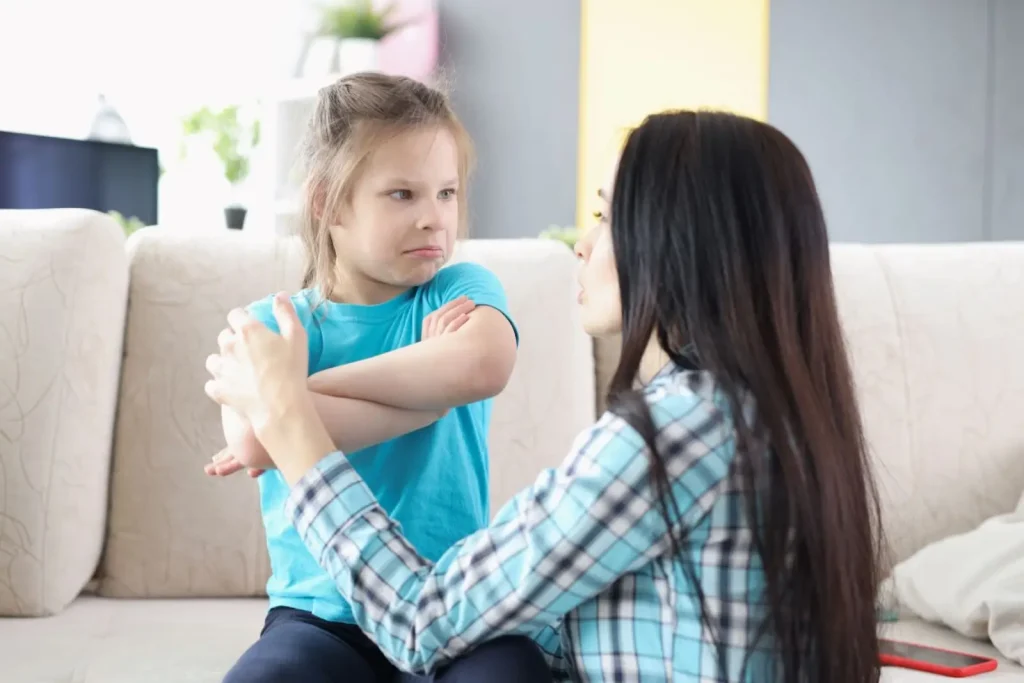
What Parents Should NOT Do
Knowing what to avoid is just as important as knowing what to try.
Don’t try to reason with a child in the middle of an anger episode. Their thinking brain is offline, and they can’t process your logic until they’re calm again.
Don’t punish the emotion itself. Saying “Stop being angry” doesn’t work, and it sends the message that their feelings are unacceptable. Instead, hold limits on what they do while still accepting what they feel.
Don’t label them as a “bad kid” or “angry child.” Labels stick. When children hear this enough, they start to believe it’s who they are, which makes change even harder.
Don’t escalate. Raising your voice, threatening, or using harsh discipline tends to make anger worse, not better. It might shut down the behavior in the moment, but it often breeds resentment and deeper problems later.
FAQ – Why Is My Child So Angry All the Time?
Why does my child get angry at everything I say?
This often happens when a child feels controlled or repeatedly misunderstood. They may not know how to say, “I feel unheard,” so every request feels like criticism. Try validating their feelings first—before you ask or correct them.
Is it normal for children to have frequent anger outbursts?
It depends on the age and the pattern. Occasional tantrums are normal, especially for young children. Frequent outbursts that happen across multiple settings and interfere with daily life may be a sign of something deeper.
What’s the quickest way to calm an angry child?
There’s no magic button, but the fastest approach is usually to lower your own voice, slow your breathing, and stay physically calm. Sometimes offering a hug, if they’ll accept it, helps. Giving them space without demanding conversation also works for many kids.
Does poor sleep or diet affect child anger?
Yes, significantly. Being tired or hungry lowers a child’s tolerance for frustration. Even a small trigger can feel impossible to handle when they’re exhausted or their blood sugar is low.
When should I consider getting professional help?
If the anger is dangerous, lasting longer than expected, affecting school or friendships, or making you feel unsafe or hopeless, it’s time to talk to a professional. This isn’t failure—it’s getting the right support for your family.
Some days feel endless. I remember those days. But I’ve also seen children learn to manage their anger — and it starts with us staying calm and consistent. You don’t have to be perfect. You just have to be willing to try again tomorrow.
Sources:
American Psychological Association
Oxford Bibliographies – Child and Adolescent Anger
Peaceful Parent, Happy Kids