Have you ever sat alone in a quiet room and felt like something is deeply wrong—but you can’t name what it is? Maybe you struggle with relationships. Maybe you always feel like you’re too much or not enough. Maybe there’s this constant hum of anxiety in your chest, like your nervous system is permanently bracing for impact. If any of that sounds familiar, this is for you. I’m writing this because I wish someone had told me 10 years ago: a lot of the emotional pain we carry as adults isn’t just “who we are”—it’s a sign of childhood trauma we were never taught to recognize. And the scariest part? Most people don’t realize it until it has already shaped their entire lives.
Quick Ways to Spot Childhood Trauma in Adults Today
If you’re wondering whether your past is still affecting you, look for these:
- Notice when you over-apologize for simply existing.
- Pay attention to the voice that calls you a failure after a tiny mistake.
- Check if you feel relief when plans cancel—every single time.
- Ask yourself: do I feel secretly broken, even on “good” days?
- Observe if you shrink away from asking for what you really need.
Childhood trauma isn’t always loud. It’s not always abuse or screaming matches or police reports. Sometimes, trauma is the silence. The things that never happened. The love you never got. The support that never came. The way your emotions were ignored or punished. It can take many forms, and each leaves its own fingerprint on your adult life.
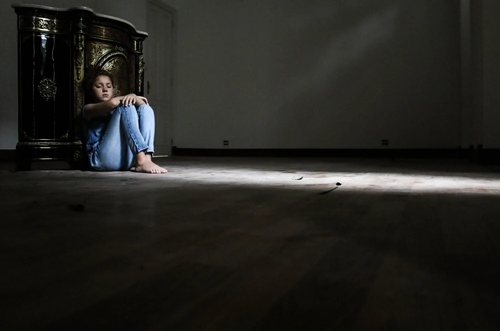
Types of Childhood Trauma (And How to Spot Them)
1. Emotional Neglect
The world talks a lot about abuse, but what about the lack of emotional presence? If your caregivers rarely asked how you felt, dismissed your feelings, or made you feel like being sad, angry, or scared was wrong—that’s emotional neglect. In adulthood, you don’t know how to name or express your emotions. You feel numb or disconnected a lot. You constantly invalidate your own needs. You’re “strong” for everyone else but break down alone.
2. Parentification
This is when a child becomes the caretaker—emotionally or physically—of their parent. Were you the one keeping peace in the family, calming your parent’s anger, hiding your sadness so you wouldn’t make things worse? That’s not maturity. That’s a trauma response. Signs in adulthood: you feel responsible for everyone. You struggle to set boundaries. You feel guilty for relaxing or asking for help.
3. Unpredictable or Chaotic Environment
Even if there wasn’t “abuse,” living in a home where rules changed daily, emotions erupted out of nowhere, or caretakers were inconsistent can leave deep scars. Signs in adulthood: hypervigilance (always on edge), anxiety about sudden changes, and a struggle to trust people—even those close to you.
4. Verbal or Physical Abuse
Even a single sentence from a caregiver—”You’re a burden,” “You ruin everything”—can rewire a child’s self-worth. Abuse doesn’t need to leave bruises to cause damage. Signs in adulthood: a harsh inner critic, fear of making mistakes, and attracting abusive or controlling partners.
5. Sexual Trauma
This one often hides behind shame and silence. Survivors often bury it so deeply they forget it happened. But the body remembers. Signs in adulthood: disconnection from your body or sexuality, feeling dirty or ashamed for no clear reason, and avoiding intimacy or using it to feel valued.
Why Do Signs of Childhood Trauma in Adults Show Up Years Later?
Here’s the hard truth: what we don’t heal, we pass on—to partners, to children, to ourselves in endless cycles of self-sabotage. Unprocessed trauma doesn’t just sit quietly. It leaks. It shows up in your relationships, your health, your career, your peace of mind. You might find yourself picking fights over nothing, or feeling like you have to earn love every single day. This isn’t a character flaw. It’s your nervous system stuck in a loop. When a child’s environment doesn’t feel safe, the brain adapts. It learns to scan for danger constantly, to distrust kindness, to equate love with unpredictability. Decades later, that same wiring is still running. The good news? Trauma is not a life sentence. It’s a wound. And wounds can be tended to, healed, and transformed.
How to Heal the Signs of Childhood Trauma in Adults: A Place to Start
The first step is awareness—the kind you’re feeling right now reading this. That gut feeling that something here is about me. Don’t ignore that. Next, start learning how to re-parent yourself. This means giving yourself the love, validation, and safety you never received. It can feel weird and awkward—but it’s life-changing. Some parents find it helps to write a letter to their younger self, saying the things they needed to hear back then. Others set aside five minutes each morning to simply ask, “What am I feeling right now?” and let the answer come without judgment. Therapy, journaling, and inner child meditations are powerful tools, but so is simply allowing yourself to feel what you were never allowed to.
A Simple Daily Practice to Calm Childhood Trauma Responses
I started using a practice I think of as a reconnection check-in. It’s something I use on days when the old anxiety hum is loud. Here’s how it goes:
- Pause and name the body sensation. Is it tightness in your chest? A knot in your stomach? Just say it silently: “Tightness. Heat. Pressure.”
- Ask the sensation: “How old do you feel right now?” You might be surprised when your mind answers “seven” or “twelve.” That’s the child part speaking.
- Place a hand over that spot and say out loud: “I see you. You’re safe now. I’m here.” This sounds a little awkward, I know. But it interrupts the old loop and signals safety to your nervous system.
- Breathe slowly for 30 seconds. Just that.
It’s not magic. But many people find that after a week of this, the automatic panic starts to soften. The signs of childhood trauma in adults don’t vanish overnight, but they can lose their grip.
What to Do When You Feel Completely Overwhelmed
Some days you’ll try all the techniques and still feel like you’re drowning. On those days, lower the bar. Instead of “fixing” anything, just aim to be gentle. Wrap yourself in a blanket. Make tea. Cry without analyzing why. Letting yourself fall apart safely is sometimes the most healing thing you can do. Remember, the goal isn’t to never feel bad—it’s to stop feeling bad about feeling bad.

Why a 10-Minute Check-In Changes Everything
Pick a consistent time—right after you brush your teeth, perhaps—and ask yourself three questions: “What am I feeling right now? What do I need? What would make me feel 5% safer?” Write the answers down without filtering. This isn’t about solving anything; it’s about building a habit of tender attention. That alone begins to undo years of neglect.
FAQ: Signs of Childhood Trauma in Adults
Q: What are the most common signs of childhood trauma in adults?
A: Common signs include hypervigilance, over-apologizing, difficulty trusting others, feeling responsible for everyone’s emotions, a harsh inner critic, avoiding intimacy, feeling secretly broken, and struggling to name or express your own feelings. These signs often show up in relationships and daily interactions.
Q: Can childhood trauma show up as physical symptoms?
A: Yes. Trauma can manifest as chronic tension, headaches, digestive issues, fatigue, or a constant feeling of being “on edge.” Your body holds what your mind has suppressed. Physical symptoms are often the first clues that something deeper is going on.
Q: How do I know if my childhood was “traumatic enough” to count?
A: If you’re asking this question, that’s a sign. Trauma isn’t about the event—it’s about how your nervous system responded. If you have the signs listed above, it doesn’t matter if you think “others had it worse.” Your experience matters. Your pain is valid.
Q: Can the signs of childhood trauma in adults be healed?
A: Yes. Many people heal through awareness, self-compassion, and small daily practices like the reconnection check-in. Therapy, journaling, and inner child work can also help. The key is turning toward what happened instead of pushing it away.
Q: What’s the first step in healing childhood trauma as an adult?
A: The first step is awareness—recognizing the patterns and giving yourself permission to feel what you weren’t allowed to feel. Then, start re-parenting yourself: give yourself the love, validation, and safety you never received. Small, consistent actions matter more than dramatic breakthroughs.
One Last Thing
If your heart is racing right now… if your eyes are welling up… if something in you feels cracked open… that’s not weakness. That’s the moment healing begins. You are not broken. You are not too far gone. You are not doomed to repeat what happened to you. You’re waking up. And from someone who’s been in the dark for years: the light does come. The peace does come. It starts with facing the truth with compassion, not shame.
References
- Van der Kolk, B. (2014). The Body Keeps the Score: Brain, Mind, and Body in the Healing of Trauma. Viking.
- Webb, J. (2012). Running on Empty: Overcome Your Childhood Emotional Neglect. Morgan James Publishing.
- American Academy of Pediatrics. (2023). Adverse childhood experiences (ACEs): Impact on lifelong health and opportunity. HealthyChildren.org. Retrieved from https://www.healthychildren.org
