The alarm hasn’t even gone off. My eyes snap open, heart thudding like I’ve just sprinted up a flight of stairs. A wave of dread washes over me before I can name what’s wrong. I’m waking up from anxiety again. Why does this happen? And more importantly, how do I make it stop?
Here’s the truth: You are not alone. Mornings can be brutal when your body decides to throw a fear party before your feet hit the floor. This isn’t a flaw or a sign of weakness. It’s a pattern you can untangle, one small step at a time.
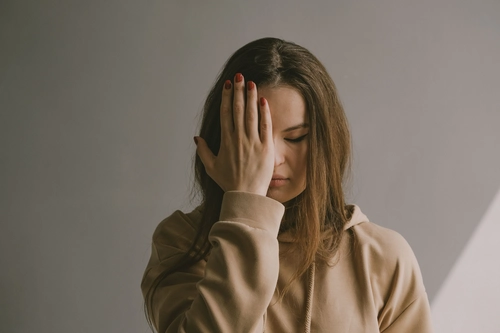
Why Do I Keep Waking Up from Anxiety Every Morning?
If I had a dollar for every morning I jolted awake with a racing mind and a tight chest, I’d buy myself a year of lazy Sundays. The first thing I learned: it’s not random. Cortisol, a hormone your body releases to help you wake up, peaks in the early hours. For most people, it’s a gentle nudge. For those of us already on high alert from life’s endless to-do lists, that spike feels more like a fire alarm.
As Kris Ramos, a therapist at Pathlight Mood & Anxiety Center, puts it: “One major reason people wake up with anxiety could be chronic stress and our bodies being in a constant state of fight or flight. Even if we are shutting it down for a few hours, anxiety will quite literally be there waiting for us to wake up.”
So your brain isn’t broken. It’s just running last night’s worries on a loop, fueled by a chemical surge that’s supposed to help you greet the day. When my son was a newborn, I’d open my eyes already convinced something terrible would happen before breakfast. I didn’t know then that my stress bucket was already full from sleep deprivation and new-parent terror. The cortisol was just pouring it over the edge.
How to Stop Waking Up from Anxiety: Simple Steps to Reclaim Your Morning
There’s no magic off switch, but a handful of tiny shifts can turn the tide. I’ve tried them all, and I keep coming back to these six.
Soft start. Ditch the blaring alarm. A gentle light or a soft chime signals your body that it’s time to rise, not run from a bear. I once switched to a sunrise alarm clock, and the first morning I didn’t wake up gasping felt like a small miracle.
Nighttime wind-down. Sleep is my secret weapon. If I scroll my phone until midnight, I’m almost guaranteed a morning anxiety hangover. Now I put the phone away an hour before bed and do something dull, like folding laundry or listening to a boring podcast. It’s not exciting, but it works.
Feed your body before you feed the worry. Hunger and dehydration can mimic anxiety. A small breakfast, even just a banana, helps stabilize blood sugar. I avoid caffeine on shaky mornings because it only revs the engine faster.
Talk back to the thoughts. When my brain starts the “Something bad is going to happen” chant, I’ve learned to interrupt it. Not with positivity, exactly. More like sarcasm. “Oh, good morning to you too, anxiety. Not today.” It sounds silly, but Ramos recommends this cognitive defusion: “Talking back to your anxiety with phrases like, ‘Oh, well, good morning to you too, anxiety,’ or ‘Not today, anxiety,’ can help make it less scary or overpowering.”
Delay the news. Checking headlines before I’m fully awake is like inviting a panic attack to breakfast. I now wait at least an hour before touching my phone. If I need a distraction, I’ll put on music or step outside for a minute.
Patience over pressure. Some mornings I still open my eyes with a knot in my stomach. I remind myself that anxiety is “very all or nothing,” as Ramos says. “If your anxiety is telling you that nothing is going to work, practice flexibility by telling yourself while it might not be working in this exact moment, that doesn’t mean it never will.” That permission to try again tomorrow has saved me more times than I can count.
The “Not Today, Anxiety” Morning Ritual
I needed something concrete, a ritual that anchored me when my mind was spinning. So I invented a 3-minute practice that’s almost too simple to take seriously, until it works.
Here it is: The moment I feel the dread, I lie still and press my feet against the mattress, feeling the solidness beneath me. I whisper, “I am safe. I am in my home and everything is okay right now.” It sounds like a greeting card, but the words activate the parasympathetic nervous system, the body’s brake pedal. Ramos explains that these grounding techniques “trigger the parasympathetic nervous system and transition your body into rest mode,” which can help you fall back asleep if you wake in the middle of the night, too.
Then I clench my fists, hold for a slow count of five, and release. I do the same with my legs. Tense, release. It’s like telling my body, “Hey, we’re done panicking now.” By the time I swing my legs over the side of the bed, the volume on my fear is lower.
How to Fall Back Asleep When You Wake Up Anxious at 3am
Waking up from anxiety in the dark is its own special kind of torment. The house is silent, and my brain suddenly wants to solve every problem I’ve ever had. I’ve found that getting out of bed helps. I’ll pad to the kitchen, sip a glass of cold water, and do slow box breathing: inhale four counts, hold four, exhale four, hold four. Only when my heart rate feels like a lazy metronome do I return to bed. Some people swear by sucking on a sour candy to jolt the mind back to the present moment. I haven’t tried that one yet, but I keep a pack of lemon drops on my nightstand just in case.
What to Do When Your Mind Won’t Stop Racing
My internal monologue before 7 a.m. used to sound like a news ticker on fast-forward: Did I pay that bill? Is my kid okay? Will I ever feel rested? Now I picture those thoughts as clouds passing across a windshield, and I let the wipers push them aside. Or I grab a notebook and scribble three things I’m grateful for, no matter how small. Yesterday’s list: coffee, my dog’s ridiculous snore, a text from a friend. Gratitude doesn’t erase anxiety, but it shoves it over a little, making room for something lighter.
A Quick Breathing Trick to Reset Your Body
One trick I learned from a yoga teacher: place one hand on your belly and one on your chest. Breathe so only the belly hand moves. This diaphragmatic breathing activates the vagus nerve, which tells your system to calm down. I do this for 60 seconds before I even sit up. It’s like hitting the override button on a runaway train.

Frequently Asked Questions About Waking Up from Anxiety
Is waking up from anxiety normal?
Absolutely. Morning anxiety is incredibly common, especially during periods of high stress. It doesn’t mean you’re failing. It means your nervous system is stuck in high gear and needs a little help downshifting.
Why does waking up from anxiety happen even on good days?
Because cortisol doesn’t check your calendar. Its peak is timed to your internal clock, not your mood. Even if you went to bed happy, that hormonal surge can dredge up old worries like debris from a riverbed. It’s not personal; it’s physiology.
Can changing my dinner help with waking up from anxiety?
It can’t hurt. Heavy meals, alcohol, or too much sugar before bed can disrupt sleep and spike blood sugar, leaving you more vulnerable to morning anxiety. A light, balanced dinner and plenty of water might not cure it, but it gives your body one less reason to sound the alarm.
How long does morning anxiety from waking up from anxiety usually last?
It varies. For some, it fades within 20 minutes of getting out of bed. For others, it lingers until the day’s demands drown it out. If it sticks around most of the day, most days, it’s worth talking to a professional. You don’t have to tough it out alone.
Tomorrow morning, when your eyes open and that familiar weight settles in your chest, you might remember: this is just a wave, and you’ve learned to surf it.
